





Introduction
Florence isn’t just a city of museums and Renaissance masterpieces — it’s an open-air workshop. Tucked into the alleys of the Oltrarno, on the slopes around the Duomo and in the shadow of Santa Maria Novella, you’ll find artisan circles — workshops, small manufactories, craft shops and restoration studios — where age-old gestures meet contemporary standards. These places are living appointments, almost ritual events where visitors and locals come together to learn, trade, buy and celebrate handmade objects. They reveal a more tactile, less postcard-perfect Florence: the smells of leather and pigments, hammers on metal and silks slipping under the fingers.
Diving into Florence’s artisan circles is like following a thread that connects Santa Croce basilica to the workshops on the Ponte Vecchio, century-old shops like the Officina Profumo-Farmaceutica di Santa Maria Novella to food markets where local producers sell their specialties. These spots often host regular meetups: demonstrations, small night markets, talks, workshops from one hour to several days, and openings where you can meet the master craftsperson. Visitors discover not just objects but stories: gilding techniques, natural dye recipes, leather-tanning secrets, and the gestures of know-how passed down through generations.
This article offers not only a descriptive immersion into these artisan circles but also practical, precise information: full addresses, opening hours, indicative prices in euros, and local tips to make the most of your visits — how to book a demonstration in advance, carve out time for a guided workshop tour, or safely transport fragile purchases. Whether you’re a curious traveller, a collector hunting for a one-off piece, or a journalist covering a living creative scene, this guide gives you an itinerary and concrete landmarks to experience Florence of the hands and the workshops, away from the long queues at the big galleries.
We’ll start by exploring the historic institutions that regularly run events and workshops, then head to the neighborhoods where artisans meet in informal circles for monthly get-togethers. Finally, I’ll share practical tips for taking part, buying and bringing these Florentine treasures home. Grab your notebook, your camera and, above all, good walking shoes: Florence’s craft scene is discovered step by step, around a carriage gate or in a quiet cloister.
The historic institutions: key workshops and must-see meetups
Florence is home to several historic institutions that host artisans, run demonstrations and sometimes open their workshops to the public. One of the most famous is the Officina Profumo-Farmaceutica di Santa Maria Novella, founded in the 13th century by Dominican friars. Address: Via della Scala, 16, 50123 Firenze FI. Opening hours: generally Monday–Saturday 09:00–19:30, Sunday 10:00–19:00. Shop entry is free; guided tours and mini-lectures follow the calendar (workshop prices: around €25–€60 per person depending on duration). Here you’ll learn about traditional perfume, ointment and soap-making from ancient recipes. The shop-museum is a visual and olfactory space that explains the pharmacy’s history and preparations.
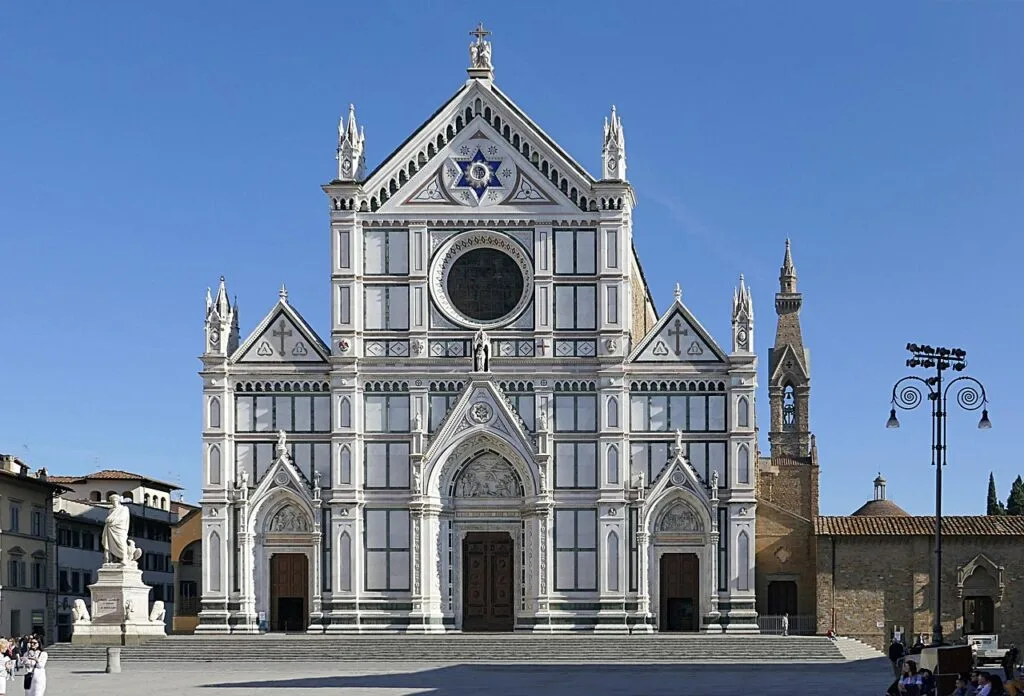
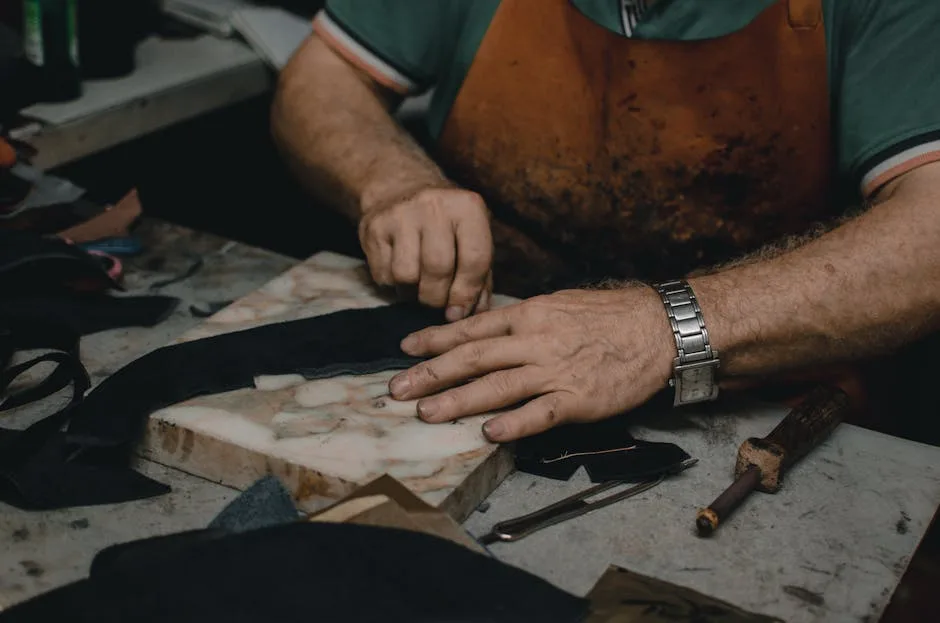
Another emblematic address is the Scuola del Cuoio (Leather School) located in the cloister of the Basilica di Santa Croce, Piazza Santa Croce, 25r, 50122 Firenze FI. Opening hours: usually Monday–Saturday 09:00–18:00, closed some Sundays and public holidays (check before you go). The Scuola del Cuoio runs demonstrations in tanning, bookbinding and leather sewing, plus beginner sessions (indicative prices: €40–€120 depending on duration and project). It’s one of the best places to watch precision craft in action in a remarkable monastic setting.
Finally, the Museo degli Argenti (Silver Museum) at the Palazzo Pitti — Piazza de’ Pitti, 1, 50125 Firenze FI — regularly hosts exhibitions and talks on historical silversmithing and jewelry. Complex opening hours (Gallerie degli Uffizi and Pitti hours can vary): general opening often 08:15–18:50; check the official site for the specific museum at the time of your visit. Prices: combined tickets with other Pitti museums typically range €10–€20 for a standard entry, with extra charges for temporary exhibitions.
Artisan neighborhoods: Oltrarno, Santo Spirito and their meetups
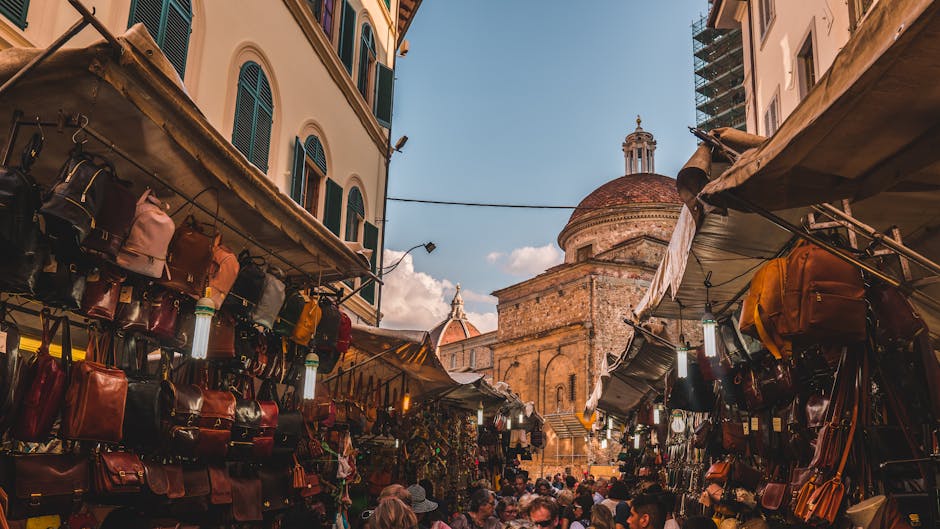
The Oltrarno is Florence’s craft heart: a maze of small streets filled with ceramicists, leatherworkers, glassblowers, goldsmiths and furniture restorers. To get a feel for the artisan circles, start at Piazza Santo Spirito (Oltrarno) where a craft market often takes place on weekends (address: Piazza Santo Spirito, 50125 Firenze FI). Around the piazza and the adjacent streets — Via dei Serragli, Via Santo Spirito, Via Maggio — many workshops open their doors for regular events like the « Notte Bianca dell’Artigianato » (craft all-nighter) or the neighborhood’s « Open Studio » days.
Oltrarno artisans are used to organizing themselves in informal circles: they meet for outdoor demonstrations, technique exchanges, or to present new collections at small openings. These meetups are often advertised in shop windows, on local Facebook pages or via flyers available in neighborhood cafés (mainly around Via Romana and Via dei Serragli). The best times to catch an artisan are in the morning (09:30–12:30) and late afternoon (17:00–20:00), when workshops pause work to welcome the public.
Practical tip: to attend a demonstration or short course, budget around €30 to €100 depending on duration and materials. If you buy bulky items (furniture, large ceramics), ask the seller for a shipping quote: many artisans work with carriers experienced with fragile objects and can arrange custom packing.
One-off meetups and events not to miss
Florence offers a busy calendar of craft events year-round. Among the recurring highlights, note:
- Florence Artisan Nights / Notte Bianca dell’Artigianato: usually in spring, workshops and shops stay open late with demonstrations and street stalls; participation is generally free, though specific workshops may charge €10–€60.
- Mercato Centrale events (Piazza del Mercato Centrale, 50123 Firenze FI): beyond the food market, the large Mercato Centrale hall runs cooking classes and food-production workshops (general market hours: ground floor 07:00–14:00, food hall upper floor 10:00–24:00; workshops: prices €20–€75).
- Fiera dell’Artigianato (artisan fair), temporary events at Palazzo Vecchio / Piazza della Signoria: exhibitions by young creators and direct sales.
Museums such as the Museo Galileo (Piazza dei Giudici, 1, 50122 Firenze FI, usual hours 09:30–18:00) also run technical workshops to explore old scientific instruments — useful if you’re interested in metal and glass restoration. To find exact dates and reserve a spot, check official sites and subscribe to local newsletters: many meetups have limited places.
Hands-on workshops: learn from the masters
Taking part in a workshop is the best way to understand the chain of expertise and the role of artisan circles. Here are some common types of workshops in Florence, with practical notes:
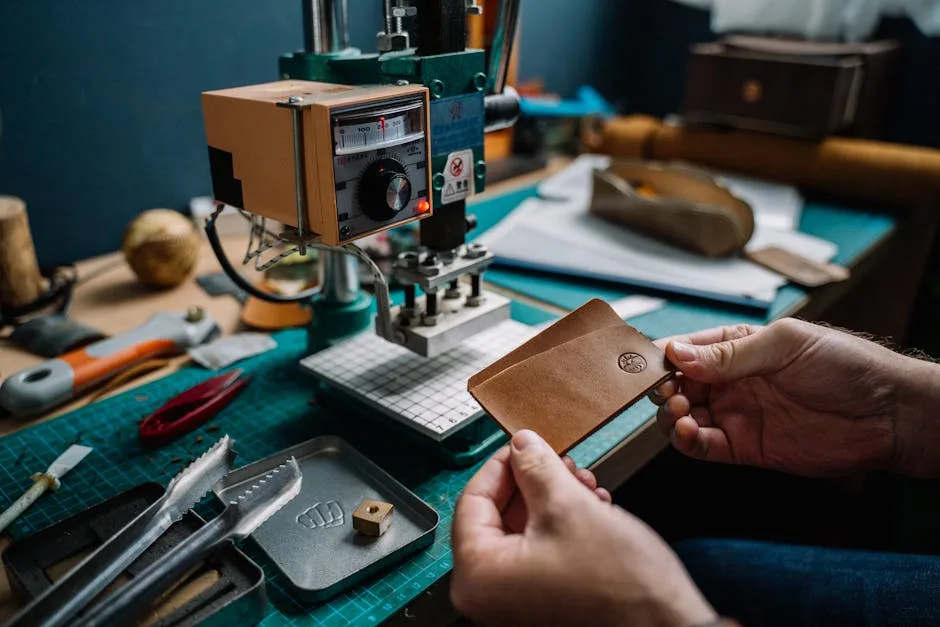
- Bookbinding and leather workshop at the Scuola del Cuoio (Piazza Santa Croce, 25r): duration 2–4 hours, price €40–€100. Learn to cut, stitch and dye leather to make a notebook or a small pouch. Times vary by schedule: morning and afternoon sessions; reservation required.
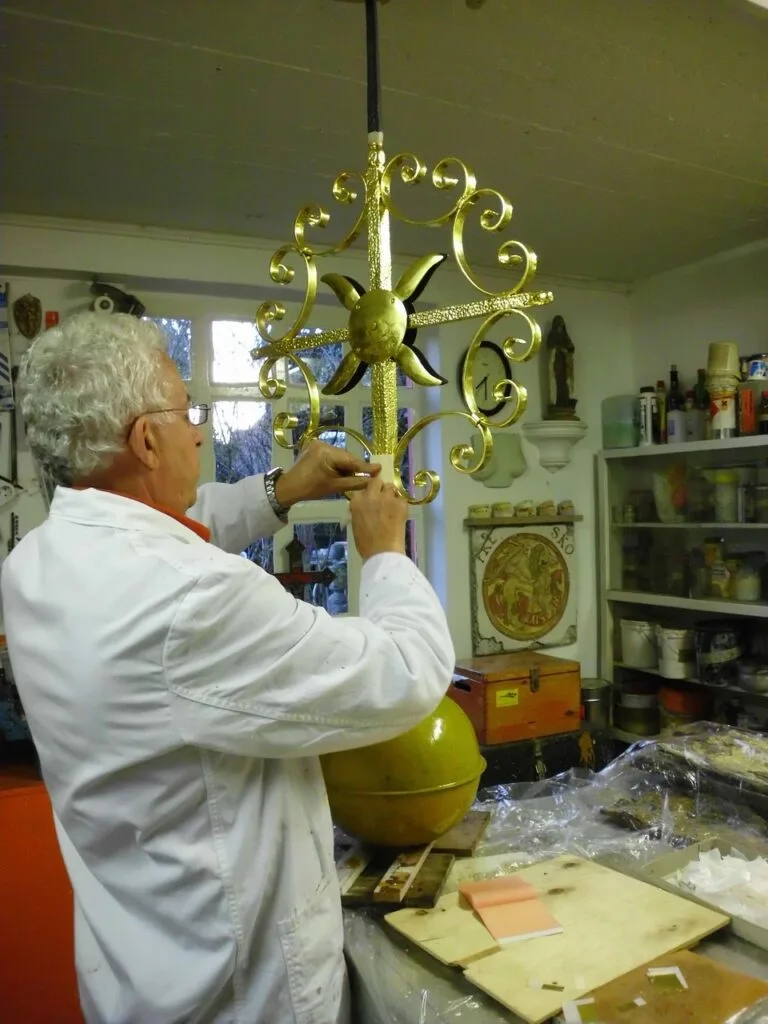
- Gilding and gold leaf class: often run by private Oltrarno workshops, about 3 hours, price €50–€120. Perfect for anyone interested in frames, icons and panel restoration.
- Raku ceramics workshop: small groups, live firing in the evening (plan on a full evening), price €60–€150 depending on piece size.
Practical tips for attending: book at least 1–2 weeks ahead in high season; wear comfortable clothes and bring sturdy bags for freshly made, still-wet items. If you’re travelling on a tight budget, look for shorter workshops (1–2 hours) that let you leave with a piece without disrupting your schedule.
Buying, shipping and bargaining tips
Buying from a Florentine artisan is often an exchange: you leave with an object and a story. A few practical pointers to make purchases go smoothly:
- Always ask for the artisan’s name and a business card: handy if you want to commission another piece later.
- For large items, request professional packing and a shipping estimate. Serious artisans work with specialized shippers and often offer home delivery services.
- Prices are typically in euros; for common ranges, expect: handcrafted jewelry €60–€600, quality leather goods €80–€800, furniture and large ceramics €200–€2000+.
- Bargaining is possible at markets or for lots, but respect the artisan’s work: offer a reasonable counter (10–15% below the listed price) rather than asking for a large discount.
Finally, check VAT refund rules for exports outside the EU: some purchases can be tax-refunded if you obtain the paperwork and follow the procedure when leaving Italy.
Connections and networks: how to plug into artisan circles
Artisan circles run on networks. To get involved, favour direct approaches: visit workshops during opening hours, take part in local events, or contact craft associations. Useful resources include the Chamber of Commerce of Florence (Camera di Commercio di Firenze), local craft associations (Confartigianato Firenze), and official neighborhood pages such as « Oltrarno Fiorentino. » Many artisans use Instagram and Facebook to announce « open studio » meetups; following a few key local accounts will keep you up to date on last-minute events.
If you want a tailored experience, consider hiring a local craft-focused guide: for €60–€150 depending on hours, they’ll arrange private tours, call workshops ahead and provide historical and technical context for each stop.
Conclusion
Florence’s artisan circles embody a living dimension of the city: here, history is not only displayed but practiced. Between historic institutions like the Officina Profumo-Farmaceutica di Santa Maria Novella (Via della Scala, 16) and the Scuola del Cuoio (Piazza Santa Croce, 25r), and the micro-societies of Oltrarno artisans — around Piazza Santo Spirito, Via dei Serragli, Via Maggio — a social and professional fabric is woven where every meetup becomes a chance to learn, buy thoughtfully and forge lasting connections.
To get the most from these encounters, plan ahead: check opening hours (many workshops open between 09:00 and 19:30), book classes in advance and set a flexible budget in euros for courses and pieces (from €25 for a short demo to over €1,000 for a bespoke commission). Also think about logistics: professional packing, shipping and VAT refunds for non-EU visitors. Above all, stay curious and respectful: craftsmanship is a living trade, often practiced daily in modest workshops where the human exchange matters as much as the sale.
Come to Florence ready to meet these circles and you’ll step into another story of the city — one of hands, tools and workshops. You’ll leave not just with unique objects but with stories to tell, techniques to ponder, and maybe projects to commission from afar. Buona scoperta: enjoy discovering Florence’s artisans.