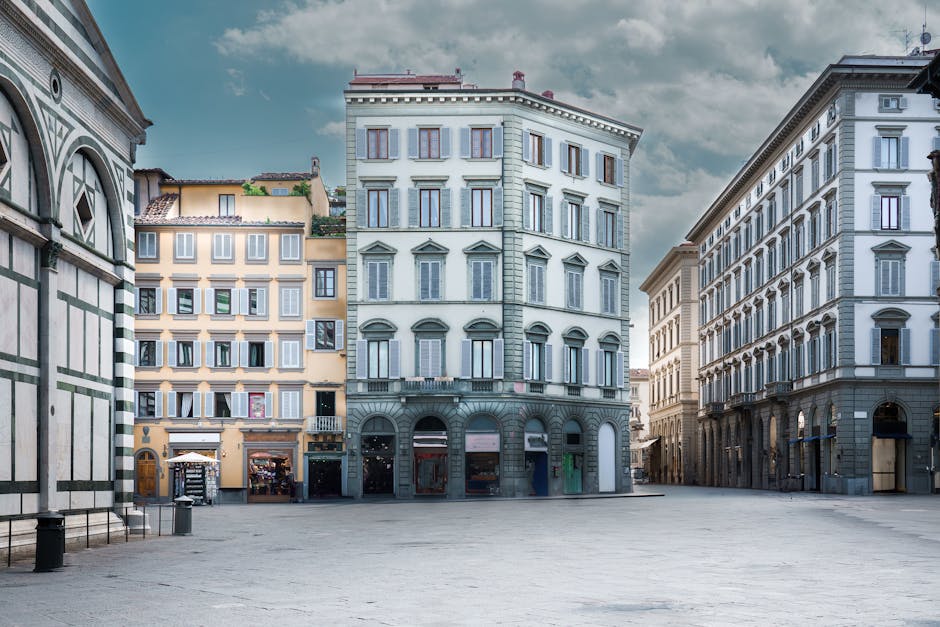






Introduction: Florence, a living workshop where craftsmanship thrives
Florence isn’t just a city of museums and Renaissance masterpieces — it’s a working studio where craftsmanship is alive, everywhere, and woven into daily life. Wander through the cobbled alleys of the historic center and you can move in a heartbeat from a Renaissance façade to a leatherworker’s display, to a workshop restoring gilded furniture, to a shop where gold and gemstones are set using centuries-old techniques. This tradition comes from a long history of technical excellence and an eye for beauty, kept alive by artisan families and specialist schools.
To visit Florence for its crafts is to slow down: watch a master gilder lay gold leaf on a cornice, breathe in the smell of tanned leather in a Santa Croce studio, listen to the precise clink of tools in a Ponte Vecchio goldsmith’s shop. These experiences tell you as much about the city as its architectural icons. This article walks you through the places, exact addresses, entry fees, opening hours and practical tips to make the most of each visit, with concrete recommendations for buying, learning and appreciating Florentine crafts.
Our route includes historic ateliers like the Officina Profumo-Farmaceutica di Santa Maria Novella, leather schools around the Basilica di Santa Croce, the jewellers’ workshops on the Ponte Vecchio, as well as specialist museums and foundations (Opificio delle Pietre Dure, Museo dell’Opera del Duomo). At every stop we give the exact address, entry price and opening hours so you can plan visits without surprises. We’ll also offer practical advice: when to visit to avoid crowds, how to spot genuine workmanship, and how to negotiate respectfully with an Italian artisan.
Whether you’re a collector, a lover of beautiful objects, a photographer or simply curious, this guide aims to help you feel Florence’s artisanal soul beyond the postcards. Prepare your address book and your curiosity: Florence invites you to touch, smell and sometimes learn to make things yourself. At the bottom of the article you’ll find recommendations for workshops offering classes from an hour to a full day, practical info on payments and guarantees, and tips for bringing home your treasures safely.
 Click here to book your skip-the-line ticket for the Accademia

Florentine leatherwork: Scuola del Cuoio and the Santa Croce ateliers
Florence’s reputation for leather comes from a tanning and production tradition that goes back to the Middle Ages. The area around the Basilica di Santa Croce is home to several workshops and the famous Scuola del Cuoio (Leather School), where master craftsmen and young apprentices work side by side. The Scuola del Cuoio is generally located within the walls of Santa Croce at Piazza di Santa Croce, 16R, 50122 Firenze. It’s usually open from 09:00 to 18:00; the workshop offers free demonstrations and courses by reservation. Small leather goods (cardholders, coin purses) start at about €20, while a satchel or jacket can exceed €200 depending on quality and finishing.

Visiting these workshops is a full sensory experience: the smell of leather, the sound of tools, the shine of hand-stitched finishes. Many artisans take bespoke orders (initials, color, lining): expect roughly 3 to 10 days for a small local order, and up to several weeks for fully custom pieces. Practical tips: check the stitching (it should be even and tight), ask to see the label or the marking “fatto a mano” (handmade) and keep your receipt for authenticity and warranty.
Local tip: go in the morning, between 09:30 and 11:30, to see production underway without the crowds. If you’re traveling light, many workshops offer insured international shipping. For discerning buyers, politely haggling for a small discount is acceptable, but always with courtesy and respect for the artisan.
The goldsmiths of the Ponte Vecchio: jewelry and jeweler traditions
The Ponte Vecchio is more than a picturesque bridge — it’s the historic heart of Florentine goldsmithing. Every shop along the bridge displays items ranging from classic rings to pendants set with colorful stones. Central address for the bridge: Ponte Vecchio, 50125 Firenze (shop numbers vary along the span). Opening hours change by jeweler, but most are open between 10:00 and 19:00. Prices start at around €50 for a simple silver piece and can run into thousands for gold and gemstone creations.
Visiting reputable workshop-homes like Fratelli Piccini or family-run jewelers lets you discover setting techniques and the tradition of Florentine motifs. Some shops offer guided visits and explanations about the origins of the metals and stones. For a significant purchase, ask for a certificate of authenticity and a written warranty. It’s also wise to compare prices across several shops before committing.
Practical tip: for a more private experience, contact the shop ahead of time and request a tour of the workshop or a setting demonstration. If you buy a major piece, look into VAT refund (détaxe) options at the airport — it can represent a noticeable saving.
Click here to discover the Museo del Gioiello and atelier
Click here to discover the Museo del Gioiello and atelier
Restoration and semi-precious stones: Opificio delle Pietre Dure and its traditions
The Opificio delle Pietre Dure is a leading institution for the restoration of hardstone works, mosaics and inlaid furniture. Located at Via Alfani, 78R, 50121 Firenze, the museum and research center is generally open Tuesday to Saturday, 10:00–18:00. Entry fees vary with temporary exhibitions but the permanent display often costs around €8. The Opificio documents techniques of marquetry using semi-precious stones, the treatment of inlays and the conservation of pietre dure tables.
Exploring the Opificio’s rooms and workshops gives you a deep understanding of stone-working techniques and materials often hidden from the general public. Demonstrations and guided visits let you appreciate the precision required to fit stone tesserae to tenths of a millimeter. Tip: check the schedule for demonstrations or lectures, often announced on the official site, to enrich your visit.
Paper artisans: cartonnage, bookbinding and marbled paper
Florence is also a city of the book. Workshops like Il Papiro (main shop at Via dei Fossi, 16R, 50123 Firenze) keep alive the art of marbled paper and decorative bindings. Shops typically open from 10:00 to 19:00, and prices vary: marbled sheets and handmade notebooks start at about €15, while a commissioned artisan binding can exceed €200.

Taking a one-hour marbling or binding workshop is a quintessential Florentine experience: you leave with a unique sheet and the memory of a centuries-old technique. Practical tip: book your workshop in advance, especially in high season (April to October). If you plan to bring back large sheets or objects, consider a rigid tube for transport or insured shipping from the shop.
Practical tips for buying and visiting: transport, guarantees and timing
Planning atelier visits requires a few precautions: favor mornings to see artisans at work and avoid the crowds, always double-check opening hours on official sites (times can change by season) and bring some cash as small workshops may prefer it. Here are some concrete recommendations:
- Transport: most workshops are within walking distance in the historic center; otherwise use ATAF buses (buy tickets in advance).
- Payment: ask if the shop accepts cards and whether international payment fees apply.
- Shipping: for bulky or valuable items, prefer insured shipping from the workshop rather than cabin baggage.
- Authenticity: ask for certificates for gold, look for “fatto a mano” labels and keep all receipts.
- Language: many artisans speak basic English; a few Italian words (« per favore », « grazie ») often open doors and conversations.

Opening hours and budget summary
– Officina Profumo-Farmaceutica di Santa Maria Novella, Via della Scala, 16, 50123 Firenze — Typical hours: 10:00–19:00, museum entry around €6–8.
– Scuola del Cuoio (Santa Croce), Piazza di Santa Croce, 16R, 50122 Firenze — Workshop: visits 09:00–18:00, items from €20 and up.
– Ponte Vecchio (various shops), Ponte Vecchio, 50125 Firenze — Hours vary 10:00–19:00, jewelry from €50.
– Opificio delle Pietre Dure, Via Alfani, 78R, 50121 Firenze — Tue–Sat 10:00–18:00, ticket ~€8.
– Il Papiro, Via dei Fossi, 16R, 50123 Firenze — 10:00–19:00, paper workshops from €15.
Conclusion: bring home more than a souvenir
Leaving Florence with a handcrafted object isn’t just taking home a souvenir: it’s carrying a piece of history and a living testament to skills passed down through generations. Items bought in Florentine workshops — whether a hand-tanned leather wallet, a gold pendant, a sheet of marbled paper or a small pietre dure panel — are objects full of story: the precise gesture, the patience and the material transformed.
To make sure your purchase truly satisfies, take the time to meet the artisan, understand their method and, if needed, ask for a certificate of authenticity. Think about durability too: choosing a well-made, easily repairable piece extends its life and supports sustainable crafts. And if you have the time, treat yourself to an introductory class: a few hours braiding a strap, applying gold leaf or marbling a page often changes the way you look at an object and makes your memory even richer.
Florence is waiting for you, not only to admire its monumental masterpieces but to feel the warmth of the workshop, hear the rhythm of the tools, and leave with objects that tell a story. Whether you’re an experienced collector or an inquisitive traveler, let your senses and encounters guide you: Florentine artisans still have a lot to say to anyone willing to listen.