





Introduction
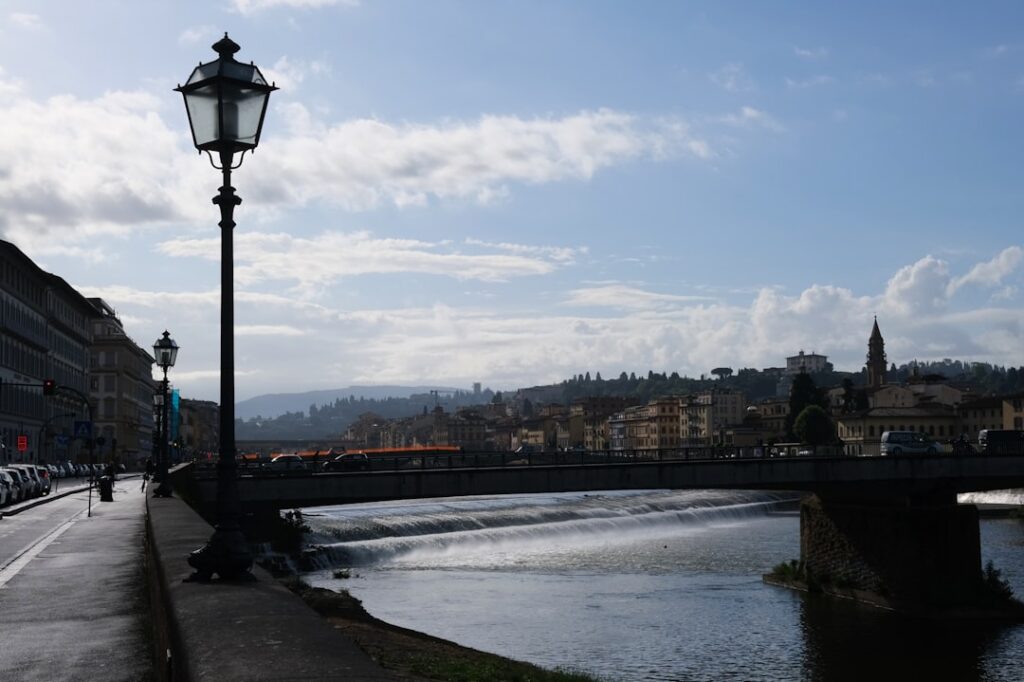
The Arno’s left bank in Florence — commonly known as the Oltrarno — is a place that feels both intimate and grand, where artisan workshops, Renaissance palaces, hidden gardens and famous viewpoints all meet. Just a short step away from the tourist bustle of the Duomo and the Uffizi, the Oltrarno keeps a slower pace: cobbled streets, weathered façades and small family-run trattorie. This quick guide offers a detailed, practical and immersive walk along the left bank, with exact addresses, opening hours, approximate prices and local tips so you can make the most of every stop.
Start your walk on the south side of the Ponte Vecchio and follow the Arno westward, then climb up to the viewpoints for unforgettable vistas over the city. You’ll pass iconic spots like Palazzo Pitti and the Giardino di Boboli, neighborhood churches such as the Basilica di Santo Spirito, lesser-known gardens like Giardino Bardini, and legendary lookouts like Piazzale Michelangelo and the church of San Miniato al Monte. Each stop can be a sensory discovery: smell leather in a workshop, watch a craftsman shaping an eyeglass frame, taste a warm crostino in an osteria, or wait for the sunset light to set the roofs and river ablaze.
This guide includes practical information up-to-date at the time of writing: full addresses (street number, postal code), opening times and prices in euros (indicative, since rates can change), plus local recommendations — best times to visit, transport options and tips to avoid queues. I also suggest ways to combine culture and relaxation: visit a museum in the morning, wander a craft market before lunch, then head up to Piazzale Michelangelo in the late afternoon for sunset views.
To help you plan photos, I’ve added visual cues and suggested angles throughout the text. The image markers correspond to scenes you can find on stock libraries and will help you spot the moments worth capturing: twilight façades, Ponte Vecchio reflections in the Arno, shaded Boboli paths and more. Wear comfy shoes, bring an offline map or a charged phone, and let the ribbon of water that runs through Florence guide you: the Oltrarno is waiting.
Palazzo Pitti and Giardino di Boboli: Renaissance Grandeur and Calm
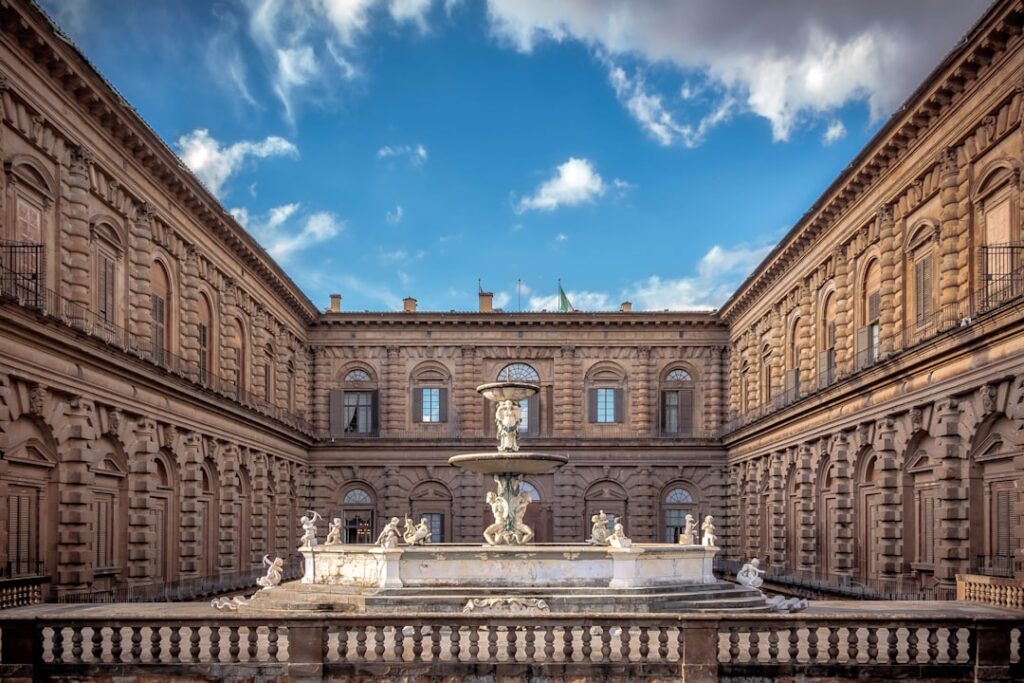
At the heart of the Oltrarno, Palazzo Pitti and the Giardino di Boboli embody Medici splendor and offer a deep dive into Florence’s history. Address: Palazzo Pitti, Piazza de’ Pitti 1, 50125 Firenze. The complex houses several museums (Galleria Palatina, Museo degli Argenti, Museo delle Carrozze) and the vast garden behind the palace, Giardino di Boboli, laid out on terraces with centuries-old trees, classical statues and baroque fountains.
Opening hours: generally, the Galleria Palatina and the museums of Palazzo Pitti are open Tuesday to Sunday from 8:15 to 18:50 (last admission), closed on Mondays. Giardino di Boboli typically opens at 8:15 and closes depending on the season (usually between 16:30 and 19:00). Indicative prices: combined ticket for the Museums of Palazzo Pitti + Giardino di Boboli ≈ €18.00 full price; single entry to Giardino di Boboli ≈ €10.00; reductions for youth, seniors and EU citizens under specific conditions. Prices can change with temporary exhibitions and seasons: check the official Musei Civici Fiorentini website before you go.
Start ideally with the Galleria Palatina, where Medici portraits and lavishly decorated salons tell the story of courtly power and taste. Then move through rooms dedicated to silverware and historic costumes, and step out into the garden for a change of scale and air. Boboli’s paths gently climb to viewpoints that offer spectacular views over the Arno, the Ponte Vecchio and Florence’s rooftops. Don’t miss the Isolotto, the Grotta del Buontalenti and the Fountain of Saturn — great stops for photos.
Practical tips: buy tickets online to avoid lines, especially in high season. Arrive early to enjoy the garden when the light kisses the sculptures and the crowds are thin. If you need coffee after your visit, head toward Via Romana or the Santo Spirito area for craft coffee shops. Allow at least 2 to 3 hours for a relaxed visit to the museums and garden.
 Click here to book tickets for Palazzo Pitti and Boboli Gardens
Basilica di Santo Spirito and the Oltrarno’s Artisan Quarter
The Basilica di Santo Spirito (Piazza Santo Spirito, 30, 50125 Firenze) is a gem of late Renaissance architecture, reworked by Filippo Brunelleschi. With its simple façade and luminous interior, the church houses important works, including altars and frescoes from artists of the Florentine school. Opening hours: generally open from 8:00 to 12:00 and from 16:00 to 19:00; times can vary due to masses and services. Entry: free-will donation (suggested €1–3 for upkeep), though some chapels or temporary exhibitions may charge a small fee.
Around the piazza, the Oltrarno reveals its artisan soul: leather workshops, ironmongers, gilding studios and ceramic shops. Streets to explore include Via dei Serragli, Via Maggio and Borgo San Frediano. Many workshops are open to the public and accept visits by appointment; some offer demonstrations or small pieces for sale. It’s a great place to find authentic souvenirs: handmade leather belts (starting around €40), lacquered boxes, silver jewelry (prices vary).
Local tips: Piazza Santo Spirito is a locals’ gathering spot, especially in the evening and on Sunday mornings during the antiques market. It’s an excellent place for lunch — try a neighborhood trattoria for a daily special (piatto del giorno) around €10–15, or share crostini and a glass of wine for €8–12. Workshops often close between 13:00 and 15:30 for the lunch break, so plan visits for the morning or late afternoon. If you’re looking for a specific craftsman, check local Florence artisan directories or ask at the tourist information office in Piazza Pitti.
Click here to book a visit to Alessandro Dari jewelry museum
Giardino Bardini, Torre San Niccolò and Panoramic Walks
Giardino Bardini (Via dei Bardi 1r, 50125 Firenze) is often less crowded than Boboli but just as charming. It offers terraced flowerbeds, tree-lined paths and a superb view over the Arno and the Ponte Vecchio. Opening hours: usually open from 8:30 to 19:00 in summer; shorter hours in winter. Indicative price: €10.00 full price; reductions for students and seniors. The garden is especially lovely in spring and autumn when blooms and seasonal colors create exceptional photo backdrops.
Nearby, Torre di San Niccolò (Piazzale di San Niccolò, 1, 50124 Firenze) is a medieval tower that’s part of the old city walls. It’s sometimes open for a paid climb (entrance ≈ €6.00) and offers a unique vantage point over the rooftops and the Duomo’s silhouette. Count on 15 to 30 minutes for the climb and photos at the top. The surrounding lanes are full of cafés and small shops, with stairways that lead down to the Arno for a riverside stroll.
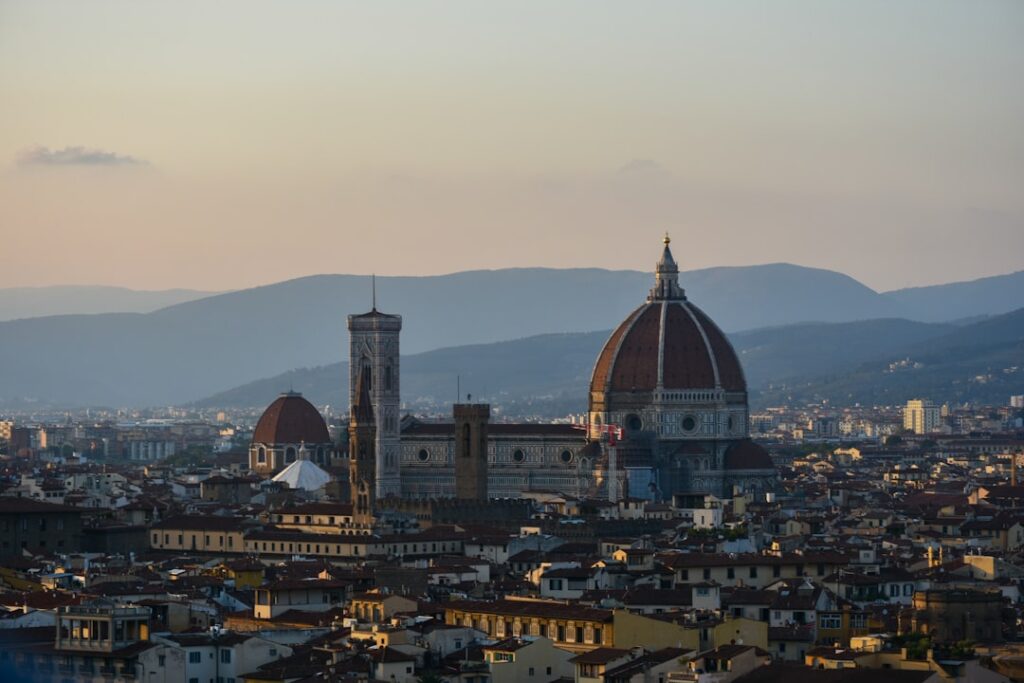
To cap off this panoramic sequence, head up to Piazzale Michelangelo (Viale Michelangelo, 50125 Firenze). Access is free; it’s the best spot for a 180° panorama of Florence, especially dramatic at sunset. If you’d rather avoid a steep climb, buses 12 or 13 from the center will drop you there in minutes (local bus fare ≈ €1.50 per ride). Note: Piazzale gets very busy in the evening — arrive a little before sunset to find a quiet spot.
Practical tips: combine Bardini and Torre San Niccolò in the late morning, then descend toward the Arno for a leisurely late lunch. Bring water and wear shoes with good grip for stairs and cobbles. Views look especially beautiful after a light rain, when the air clears and the Arno mirrors the façades.
Click here to book a ticket for Giotto’s bell tower and cathedral
Markets, Cafés and Oltrarno Food: Addresses and Recommendations
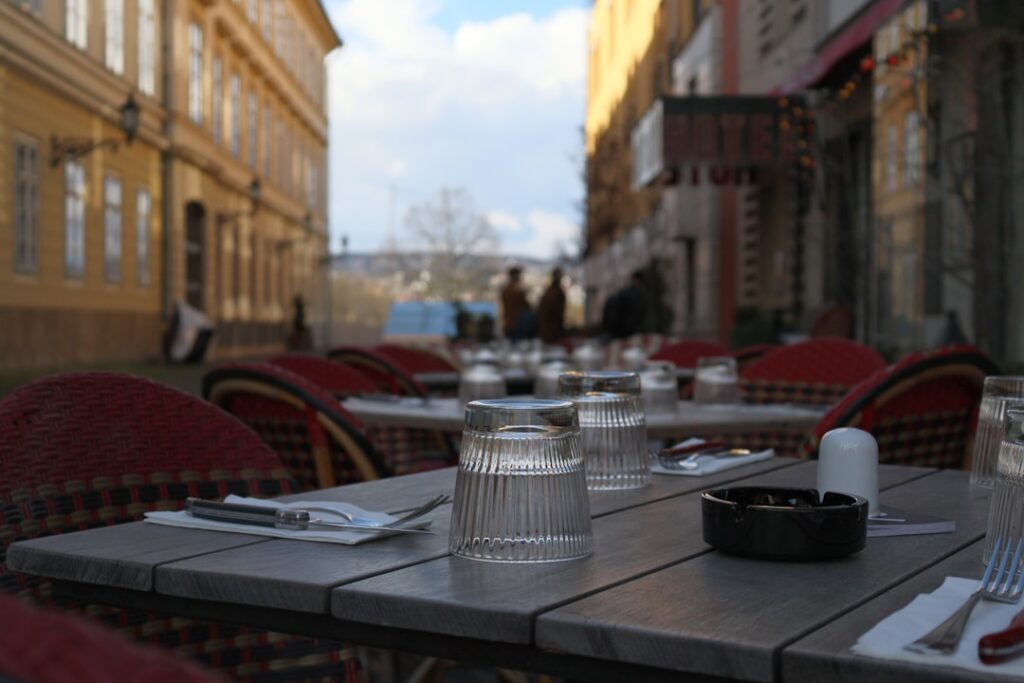
The Oltrarno is more than an open-air museum: it’s a lively neighborhood where food is taken seriously and weekly markets and local shops offer authentic experiences. For breakfast or quality coffee, look for bars and cafés near Piazza Santo Spirito and Via Romana. An espresso typically costs €1.00–1.50, and a cappuccino €1.50–2.50 depending on location.
For lunch, choose a traditional trattoria in Borgo San Frediano or near Via Maggio: daily specials (piatto del giorno) around €10–15, pizzas from €8–12, wine by the glass €3–6. If you like markets, visit Mercato di Sant’Ambrogio (Piazza Lorenzo Ghiberti, 1, 50122 Firenze) — a bit north but walkable — usually open in the morning until around 13:00; you’ll find fresh produce, cured meats, cheeses and local street food stalls. In the Oltrarno, some artisans also sell food specialties: artisanal jams, local biscuits and small bottles of olive oil (prices vary, often €8–20).
Dining tips: avoid restaurants right on the most touristy stretches (near Ponte Vecchio) if you’re after homemade cooking and fair prices. Favor Piazza Santo Spirito or Borgo San Frediano for a more local atmosphere. If you want to try Tuscan wines, ask for a “bicchiere di Chianti” — a glass usually costs €3–6. For dinner, consider booking in advance, especially in high season or on weekends. And don’t leave Florence without tasting artisan gelato (≈ €2–4 depending on size); look for gelaterie that display “artigianale” and natural ingredients.
Click here to book a Tuscan white wine tasting and aperitivo
Suggested Route and Safety / Logistics Tips
Suggested half-day itinerary (morning): start at 9:00 at the Ponte Vecchio (Ponte Vecchio, 50125 Firenze), cross toward the Oltrarno and head right away up to Palazzo Pitti (Piazza de’ Pitti 1). Visit the Galleria Palatina until about 11:00, then stroll through the Giardino di Boboli until 12:30. Have lunch at Piazza Santo Spirito around 13:00. If you have the afternoon, continue to Giardino Bardini and Torre di San Niccolò, then finish at Piazzale Michelangelo for sunset.
Transport and accessibility: most sites are within a 10–25 minute walk from the city center. ATAF buses (lines 12, 13, 6 depending on route) serve Piazzale Michelangelo and the higher areas; a single ticket ≈ €1.50 (valid 90 minutes). Taxis are available but can be expensive; for short trips in the Oltrarno, walking is often the most pleasant option. Streets are often cobbled; if you have mobility constraints, check museums’ accessibility information (ramps, elevators) on official sites.
Safety and practical advice: Florence is generally safe, but watch out for pickpockets in tourist hotspots and on bridges. Keep valuables close to your body and use inner pockets. Peak crowd times are 11:00–16:00 and around sunset at Piazzale Michelangelo; for photos without crowds aim for dawn or early morning. Always carry a small bottle of water — public drinking fountains (nasoni) are available for refills. Finally, check church and museum opening times on the day of your visit: unexpected services or temporary closures can affect access.
Conclusion
A walk along the Arno’s left bank invites you to slow down and see Florence from another angle. The Oltrarno combines historical riches and everyday life: grand palaces like Palazzo Pitti and its museums, secret gardens like Giardino di Boboli and Giardino Bardini, history-filled churches such as Basilica di Santo Spirito, and workshops where centuries-old crafts live on. Every lane, stairway and viewpoint reveals a distinct facet of the city.
This quick guide has given you concrete reference points: precise addresses (Piazza de’ Pitti 1 for Palazzo Pitti, Piazza Santo Spirito 30 for the basilica, Via dei Bardi 1r for Giardino Bardini, Viale Michelangelo for Piazzale Michelangelo), general opening times and indicative prices (Palazzo Pitti + Boboli combined ≈ €18.00, Boboli alone ≈ €10.00, Torre di San Niccolò ≈ €6.00, coffees and meals between €1.00 and €20.00 depending on choice). Remember these rates and hours can change: consult official museum and tourism sites for the latest info before you travel.
Above all, let yourself be carried by the sensory experience: the scent of leather, the sound of flowing water, golden light on the roofs at sunset, and the voices of locals on Piazza Santo Spirito. Whether you have half a day or several days, plan smartly (buy tickets online to save time, wear comfortable shoes, choose quiet hours for photos) and leave room for wandering — the Oltrarno always rewards curiosity. Safe travels, and may your stroll along the Arno’s left bank make Florence even more memorable.