




Introduction: Why Keep an Eye on Temporary Exhibitions in Florence
Florence isn’t just the cradle of the Renaissance—it’s also a living museum where historic palaces and galleries regularly stage temporary exhibitions that can completely refresh the way you see art, history and culture. While the Uffizi Gallery or the Vasari Corridor draw crowds for their permanent collections, temporary shows let you explore unexpected themes: solo retrospectives of forgotten artists, conversations between heritage and contemporary creation, archive discoveries, standout restorations or intersections between art and science.
These exhibitions often take place in some of the city’s most iconic venues — Palazzo Strozzi, Palazzo Pitti, the Museo dell’Opera del Duomo, the Museo Galileo, Museo Novecento and the Fondazione Palazzo Strozzi — and benefit from Florence’s exceptional settings to offer carefully staged displays, multimedia routes and special events (lectures, guided tours, family workshops). Temporary exhibitions are also a great way to escape the busiest tourist trails while enriching your visit with a fresh, often provocative perspective.
For the curious traveler, keeping up with these shows takes a bit of planning: check exact dates (some exhibitions run for just a few weeks), look into prices and booking rules, and allow enough time to fully enjoy each venue. You can often find reduced fares for students, seniors and EU residents, as well as convenient skip-the-line tickets during peak season. And by pairing a temporary exhibition with a nearby monument (like the Cathedral of Santa Maria del Fiore, the Ponte Vecchio or the Boboli Gardens), you can build a fuller, more surprising Florence itinerary.
In this article I’ll give you an overview of the places and temporary exhibitions worth watching in Florence: exact addresses, indicative prices in euros, typical opening hours and practical tips to prepare your visit. The info below reflects common practices at Florentine institutions and will help you plan your cultural days, whether you’re on a short city break or a longer trip through Tuscany.
Palazzo Strozzi: Major Monographs and Dialogues Between Old and New
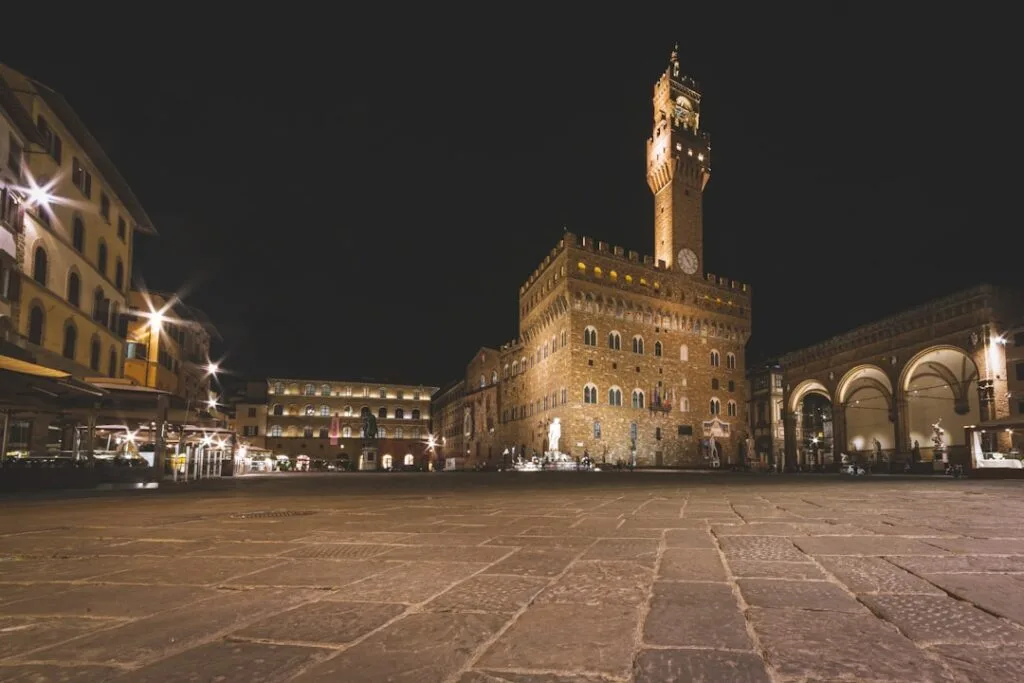
Palazzo Strozzi, located on Piazza degli Strozzi, 50123 Firenze, has grown into Florence’s go-to venue for major temporary exhibitions. The Renaissance palace programs ambitious, often international shows that put historical works in conversation with contemporary creations, creating stimulating dialogues. Exhibitions usually spill from the interior rooms into the central courtyard, allowing for large-scale installations and immersive setups.
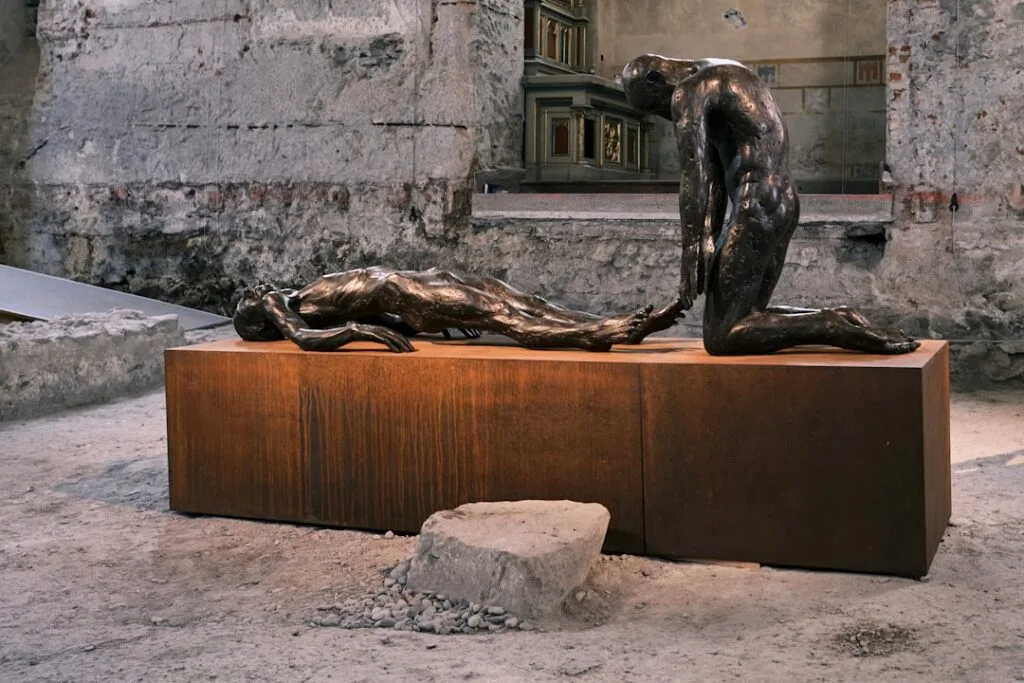
Address: Palazzo Strozzi, Piazza degli Strozzi 50023 Firenze (note that official numbers sometimes appear as 50123). Typical opening hours: Tuesday to Sunday 10:00–20:00, closed Monday. Price: temporary exhibitions at Palazzo Strozzi usually cost between €12 and €20 for a standard ticket; discounts are available for students and seniors, and combo passes exist for multiple events. Buying tickets online and reserving timed slots via the official site is the best way to avoid queues, especially in summer.
Immersive description: stepping into the vast arcaded courtyard you immediately sense the balance between Renaissance stone and contemporary staging. Recent shows stand out for their museum-like storytelling—each room feels like a stage. Labels are often bilingual (Italian/English) and complemented by audioguides, apps or small guidebooklets for a deeper visit. Curators frequently invite living artists to respond to older works, offering critical perspectives on today’s world.
Practical tips: arrive early to enjoy a quieter visit before the crowds; the palace shop offers interesting exhibition catalogs and limited editions. Cafes and restaurants near Piazza della Repubblica are handy for a quick lunch after your visit. Also check whether lectures or openings are scheduled during your stay—they often provide a more intimate entry into the exhibition’s theme.
Galleria degli Uffizi and the Uffizi Museum: Special Exhibitions and Archive Discoveries
The Galleria degli Uffizi, at Piazzale degli Uffizi, 6, 50122 Firenze, is best known for its permanent collection—but the museum also runs temporary exhibitions that highlight masterpieces brought out of storage, important restorations or international loans. These special shows often focus closely on an artist, a workshop or a particular phase of the Renaissance.
Address: Galleria degli Uffizi, Piazzale degli Uffizi 6, 50122 Firenze. Typical hours: Tuesday to Sunday 08:15–18:30, closed Monday. Price: standard ticket for the Uffizi is around €20–€25 (rate varies by season and whether temporary exhibitions are included); reduced tickets are €8–€12 for certain categories. Temporary exhibitions can sometimes require a special ticket, typically between €10 and €18 extra.
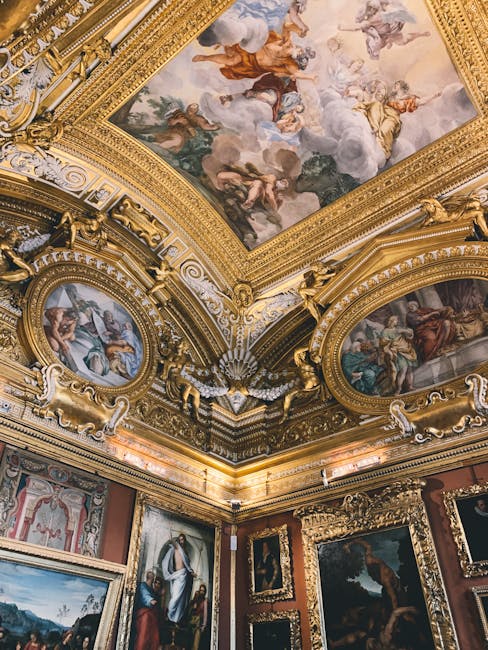
Immersive description: wandering the Uffizi remains a singular experience: filtered light through big windows, the eye wandering over Botticelli’s and Leonardo’s compositions and, occasionally, the surprise of a contemporary installation or a themed room focused on a recent restoration. The museum’s scientific committees work to contextualize each international loan, providing rich didactic material and multimedia supports that explain techniques and artists’ biographies.
Practical tips: book your time slot online weeks in advance during high season, and plan at least two hours if you want to combine the permanent collection with a temporary show. Audioguides (available in multiple languages) are particularly useful for thematic exhibitions. If you want to take photos without flash, check the current policy as it may vary depending on the loans and image rights.
Palazzo Pitti and the Boboli Gardens: Art, Fashion and Experimental Museum Projects
The sprawling Palazzo Pitti complex, at Piazza de’ Pitti, 1, 50125 Firenze, houses the Palatine Gallery, the Museum of Silverware (Museo degli Argenti), the Gallery of Modern Art and a program of temporary exhibitions that range from historical art to design and contemporary projects. The Boboli Gardens, just behind the palace, often complement these events with outdoor installations and contemporary art trails woven through sculpted greenery.
Address: Palazzo Pitti, Piazza de’ Pitti 1, 50125 Firenze. Typical hours: Wednesday to Monday 08:15–18:50, closed Tuesday for most museum sections; times vary by department. Price: for a combination ticket covering the museums at Palazzo Pitti expect fares between €10 and €16; some temporary exhibitions or guided tours may cost €12–€18. The Boboli Gardens have a separate fee, around €10–€12.
Immersive description: a temporary exhibition at Palazzo Pitti often begins with the ascent of the grand staircase leading to the princely rooms, where wood paneling and painted ceilings set the stage. Fashion and textile shows (frequently at the Museo degli Argenti) are particularly well-documented, with display cases, reconstructed outfits and technical analyses. Outside, an installation in the Boboli Gardens — set among classical statues and ordered groves — creates a striking contrast between nature and contemporary work.
Practical tips: pair the palace visit with a stroll through the gardens to appreciate the interior/exterior dialogue. Wear comfortable shoes for the terraces and steps of Boboli. Combined tickets are often more economical; look into family tickets if you’re traveling with kids. The Oltrarno neighborhood nearby has plenty of small cafes and trattorie where you can grab lunch after visiting.
Museo dell’Opera del Duomo and Museo Galileo: Heritage, Restoration and Science
The Museo dell’Opera del Duomo (Piazza del Duomo, 9, 50122 Firenze) and the Museo Galileo (Piazza dei Giudici, 1, 50122 Firenze) are two institutions that, though different in focus, regularly host temporary exhibitions centered on heritage and science. These shows highlight restored objects, instruments or fragments and explain conservation techniques or scientific discoveries tied to Florence and the Renaissance.
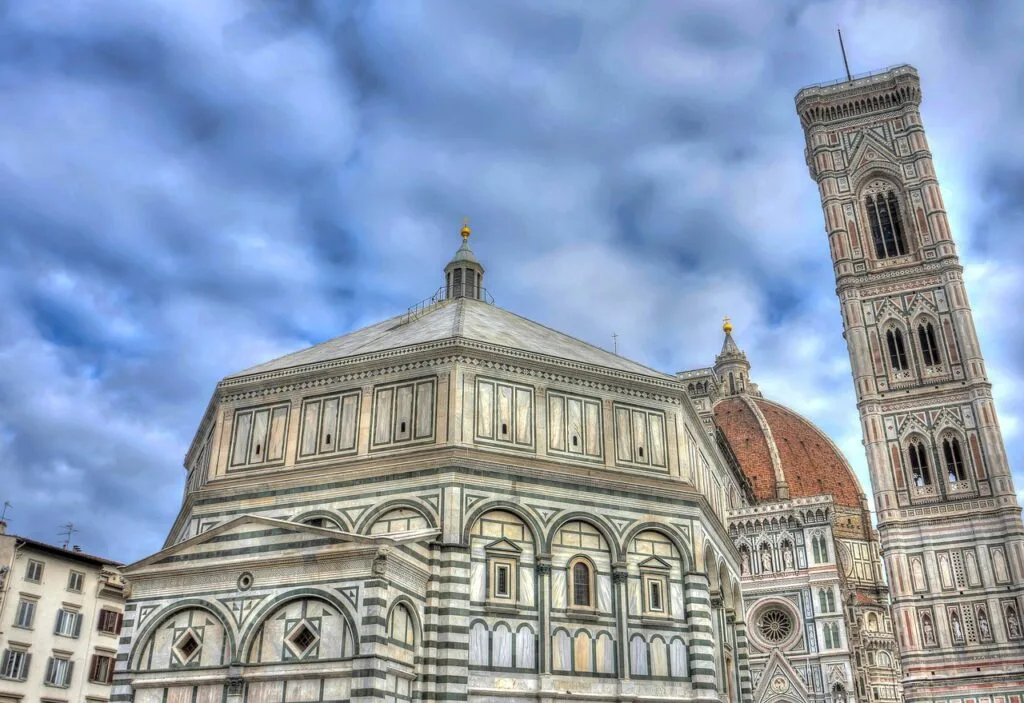
Museo dell’Opera del Duomo address: Piazza del Duomo, 9, 50122 Firenze. Typical hours: every day 09:00–19:00 (times may vary by season). Price: standard ticket around €12–€15, temporary exhibitions often included or available for an extra €5–€10. Museo Galileo address: Piazza dei Giudici, 1, 50122 Firenze. Typical hours: Tuesday to Sunday 09:30–18:00, closed Monday. Price: standard ticket around €10, with temporary exhibitions and educational activities costing an additional €5–€12.
Immersive description: at the Museo dell’Opera del Duomo you’ll find the cathedral’s original sculptures and works by masters like Arnolfo di Cambio; a temporary exhibition might document a restoration with before-and-after photos, scientific analyses and explanatory videos, taking you into the conservator’s workshop. At the Museo Galileo, showcases brim with astronomical instruments, crossbows and armillary spheres; temporary shows often explore a specific theme—for example optics, mapping or scientific exchanges between Florence and the wider world—and include hands-on demonstrations.
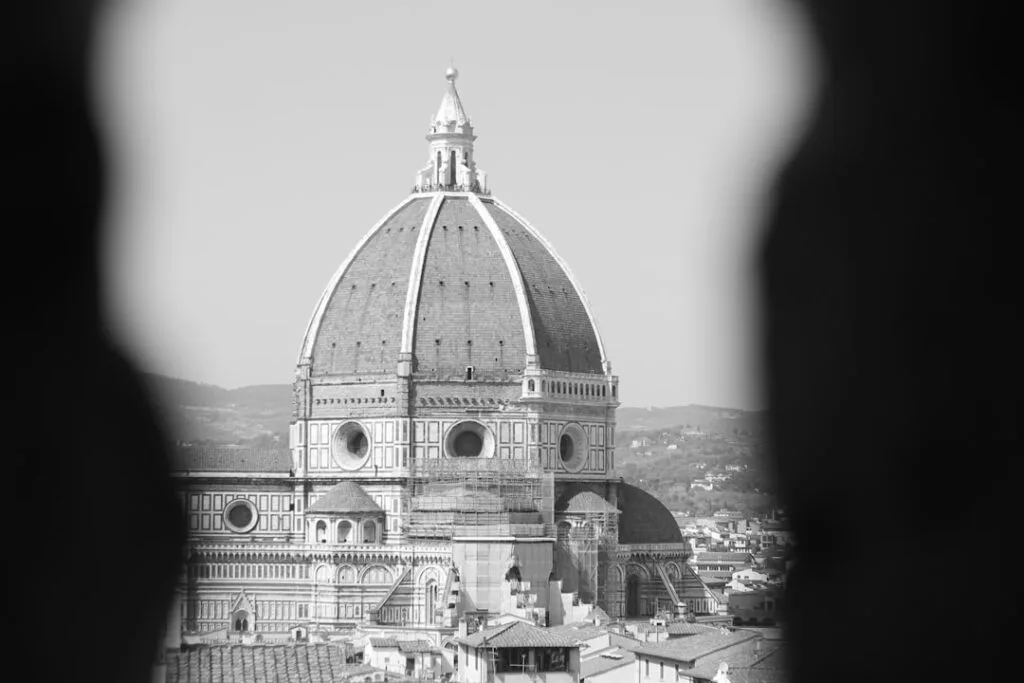
Practical tips: if you’re visiting the Duomo complex, get the combined ticket that includes the Baptistery, Giotto’s Bell Tower and Brunelleschi’s Dome (Cupola); this lets you pair temporary exhibitions with panoramic views of the historic center. For Museo Galileo, check out the interactive workshops if you’re traveling with family: they make science tangible and are especially popular with teens and kids.
Museo Novecento and Small Independent Spaces: Modern Art, Photography and Experimentation
Museo Novecento, located at Piazza Santa Maria Novella, 10, 50123 Firenze, is Florence’s main hub for 20th-century art. Beyond the big institutions, Florence also has small galleries and foundations (like the Fondazione Carlo Marchi, the Marino Marini Museum or spaces in the Oltrarno district) that present focused temporary shows in modern art, photography and contemporary practices.
Museo Novecento address: Piazza Santa Maria Novella 10, 50123 Firenze. Typical hours: Tuesday to Sunday 10:00–18:00, closed Monday. Price: standard ticket around €8–€10, with temporary exhibitions sometimes charging an extra €5. Small galleries often offer free entry or very modest fees (from €0 to €8).
Immersive description: Museo Novecento, housed in a clean, modern setting, offers routes that situate artists within their historical context (fascism, reconstruction, avant-gardes). Independent galleries provide a more direct encounter with works: lively openings, chances to meet artists and sometimes affordable pieces for sale. These venues are fantastic for discovering emerging painters and photographers exploring Florence’s contemporary identity.
Practical tips: if you’re into photography or experimental contemporary art, look for openings in the early evening (often free): they’re social moments to meet gallery owners and artists. The Santa Croce and Oltrarno neighborhoods are great clusters for a half-day walk focused on small exhibitions.
Conclusion: Plan Ahead, Combine Visits and Immerse Yourself in Florence
Florence reads like a multi-layered book: permanent collections provide the historical thread, while temporary exhibitions add contemporary, critical and sometimes surprising chapters. To make the most of your cultural stay, plan ahead: check the calendars of major venues (Palazzo Strozzi, Galleria degli Uffizi, Palazzo Pitti, Museo dell’Opera del Duomo, Museo Galileo, Museo Novecento), buy tickets online and note opening days and hours—many museums close one day a week (often Monday) and adjust hours by season.
Combine visits: pairing a temporary show with a monument or garden visit enhances the experience and keeps things varied. Think about combo tickets (Duomo, Bargello, Palazzo Pitti) and discounts for young people, those over 65 and groups. For major international exhibitions, arrive at opening time or book a late-afternoon slot to enjoy softer light and sometimes a calmer atmosphere.
Finally, experience an exhibition as a moment of encounter: join guided tours, lectures and workshops. Visiting temporary exhibitions is not just about seeing works; it’s about listening to acts of creation, understanding conservation issues and feeling the city breathe to the rhythm of cultural events. With a little preparation, Florence will offer you renewed sensations at every temporary exhibition.