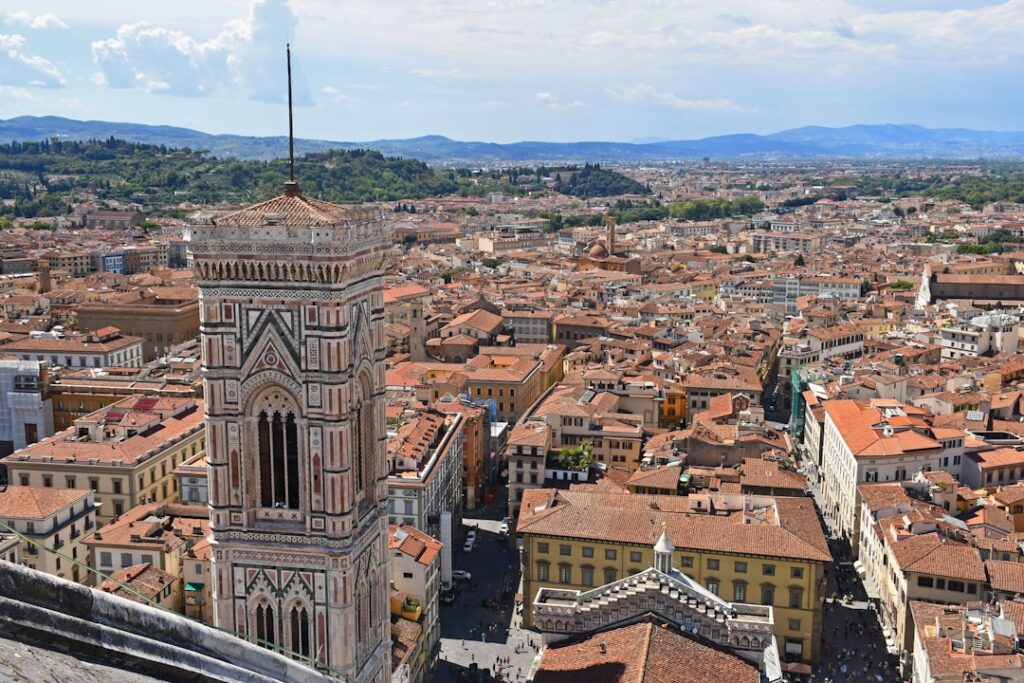






Introduction: Why Visit Florence’s Museums with Kids (and How to Prepare)
Florence, the cradle of the Renaissance, is packed with artistic treasures that can captivate both adults and children — provided you plan the visit well. For parents, entering a museum is more than admiring masterpieces: it means organizing travel, scheduling breaks, anticipating safety rules and keeping little ones engaged. This practical guide offers concrete tips and up-to-date info on Florence’s main museums to turn a cultural outing into a pleasant, manageable family adventure.
The city delivers a range of experiences: the iconic view of the David at the Galleria dell’Accademia, the dazzling paintings at the Uffizi Gallery, the bigger, greener spaces of Palazzo Pitti and the Boboli Gardens, and the scientific instruments at the Museo Galileo. Each place has its own pace and rules (security checks, dress cues, baggage policies) and sometimes offers kids’ activities, child-friendly audio guides, or workshops. Spotting these family-friendly features ahead of time will save you time and keep everyone in good spirits.
A few golden rules before you go: book tickets in advance to avoid long lines — especially important if you’re with a stroller; check opening days and hours (many museums are closed on Mondays); wear comfortable clothes and shoes; pick morning or late-afternoon time slots to dodge the midday crowds; bring snacks, water and spare baby clothes if needed. A bit of preparation goes a long way toward a calm outing where kids feel involved in the discovery.
This guide gives exact addresses, approximate prices, typical opening hours and practical tips for each museum. You’ll also find ideas to turn the visit into a game, strategies for handling siblings or toddlers, and alternatives for rainy days or tired children. Florence is perfect for hands-on learning: turning a painting into a story or a sculpture into a riddle leaves kids with lasting sensory memories of the city. Ready to lift the curtain on Florence’s museums? Follow the guide.
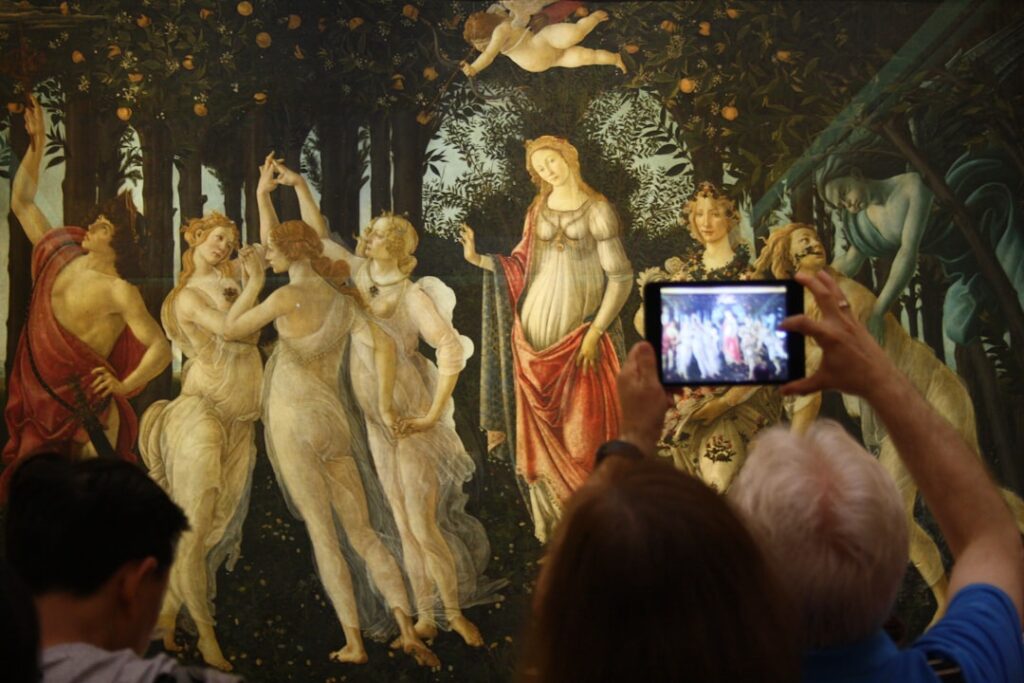
Uffizi Gallery — Experiencing Large-Scale Art with Kids
The Uffizi Gallery is one of the most visited museums in Italy and the world. Address: Piazzale degli Uffizi, 6, 50122 Firenze FI. Typical hours: Tuesday–Sunday 8:15am–6:30pm (closed Monday) — note these hours can change for special exhibitions or holidays, so check the official site before you go. Approximate price: full ticket around €20–€25, reduced rates for youth and seniors, and free or reduced admission for children depending on age (often free for under 6, check the conditions).
Why bring kids here? The rooms are full of large-scale paintings and narrative scenes — perfect for turning the visit into illustrated stories. For easier family visits, book a timed entry ticket to avoid waiting. Bring a light stroller — the gallery is long and generally accessible, but some thresholds and a few staircases can make folding the stroller useful. Audio guides are available; some include kid-focused content or themed trails “for ages 6–12.” Plan for 60 to 90 minutes for a family-friendly visit — longer if you join a workshop.
Practical tips: start with the most famous areas (Botticelli, Leonardo, Michelangelo), use a map to pick out a few « must-see » works and limit the visit to 3–5 rooms if the children are young. Locate restrooms and seating areas as soon as you enter. Many masterpieces are protected behind cases or barriers — explain the distance rules to kids before entering. Finally, the views of the Arno from the riverside make a nice photo break after your visit.
 Click here to book timed-entry tickets for the Uffizi with audioguide
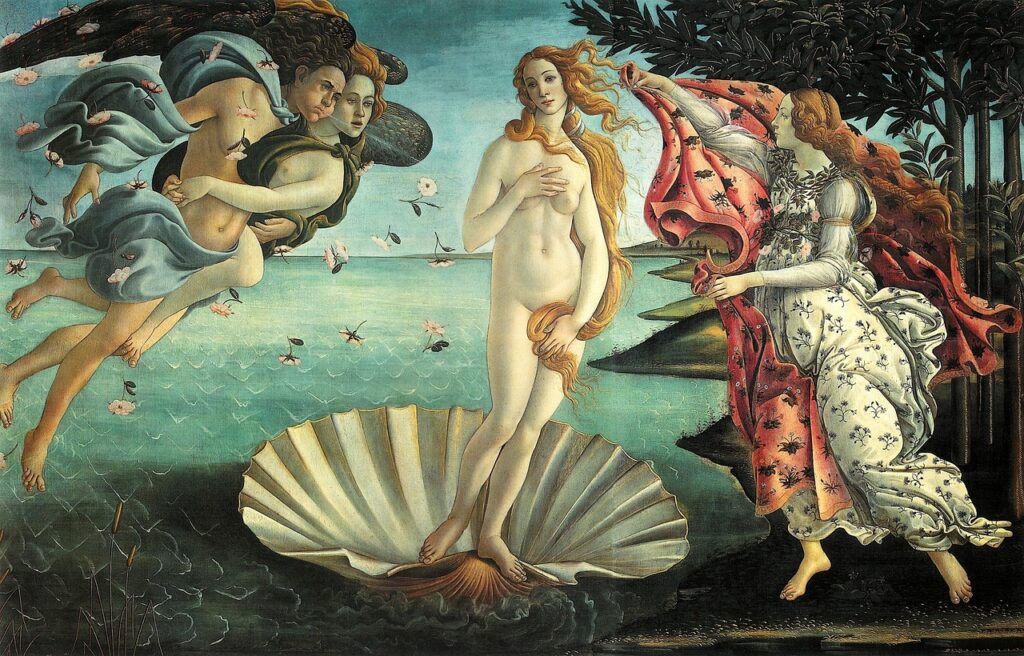
Galleria dell’Accademia — The David and How to Amaze Without Overwhelming
The Galleria dell’Accademia houses Michelangelo’s famous David, a sculpture that mesmerizes visitors with its scale and realism. Address: Via Ricasoli, 58/60, 50122 Firenze FI. Typical hours: Tuesday–Sunday 8:15am–6:50pm (closed Monday). Approximate price: full ticket around €12–€16, reduced rates for youth and school groups, and free admission for very young children depending on current policy.
Visiting the Accademia with kids requires a strategy: the David is often surrounded by crowds and the space can be noisy. Ideally, book an early morning slot to enjoy lower visitor numbers. A short, focused visit — 30 to 45 minutes — is usually enough to admire the David and a few complementary works (sculpture studies, collections of historic musical instruments). It helps to tell children they can look closely but not touch, pointing out details like the hair, muscles and facial expression.
Practical: the entrance is stroller-accessible but rooms with sculptures can be narrow — consider a baby carrier for the smallest children. Illustrated guides for kids can make the experience more playful; ask the welcome desk if they’re available. After the visit, nearby Piazza del Duomo offers space to run or a café for a break.
Click here to reserve timed entry to see Michelangelo’s David
Palazzo Pitti and the Boboli Gardens — Space, History and Fresh Air for Families
The Palazzo Pitti is a vast museum complex that includes the Galleria Palatina, the Palazzo Pitti itself and the Boboli Gardens. Address: Piazza de’ Pitti, 1, 50125 Firenze FI. Typical hours: generally Tuesday–Sunday 8:15am–6:50pm for the gallery, with the gardens often open between 8:15am and 6:30pm (hours vary by season). Approximate price: combined palace + gardens package around €16–€20, with reductions for children and young people.
Why it’s ideal for families: the Boboli Gardens offer wide walking areas, fountains and sculptures where kids can stretch their legs after an indoor art session. The visit can be broken into stages: a few palace rooms in the morning, a picnic in the gardens at midday, then exploring a playground or a shaded path in the afternoon. The site lends itself to treasure-hunt games you can prepare: find a fountain shaped like an animal, spot a centuries-old tree, count the statues.
Practical tips: bring water and a hat in summer — outdoor areas can be very sunny. Strollers are allowed but some paths are cobbled and require effort; a good pair of walking shoes is recommended. Check if family activities (creative workshops, family-guided tours) are scheduled on the day of your visit — these make it easier to engage children and give them concrete tasks.
Click here to book your ticket for Palazzo Pitti and Boboli Gardens
Museo Galileo, Museo Nazionale del Bargello and Tips for Specialized Museums
Florence also has specialized museums that can fascinate curious kids: the Museo Galileo (scientific instruments) and the Museo Nazionale del Bargello (sculpture and decorative arts).
– Museo Galileo — address: Piazza dei Giudici, 1, 50122 Firenze FI. Typical hours: Tuesday–Sunday 9:30am–6:00pm. Approximate price: €8–€10 for a full ticket.
– Museo Nazionale del Bargello — address: Via del Proconsolo, 4, 50122 Firenze FI. Typical hours: Tuesday–Sunday 8:45am–1:50pm or as scheduled (check ahead), approximate price: €6–€8.
The Museo Galileo is excellent for little scientists: on display are astronomical instruments, globes, telescopes and models. Many items include interactive elements or simple explanations — perfect for asking questions and doing quick demonstrations. At the Bargello, the finesse of sculptures (Donatello, Verrocchio) can engage older children; the concentration required is higher, so keep visits short.
Practical tips for specialized museums: turn each display case into a « mission » (look, describe, imagine the use), use magnifying lenses to spot details, and set time anchors — « this globe is X years old » — to give perspective. Check for family workshops and children’s trails — these museums sometimes offer activity booklets or dedicated audio guides.
Click here to buy entry tickets for the Museo Galileo
Local Practical Tips, Safety and Family-Friendly Spots
To finish, a few local, practical tips that make any family museum visit in Florence easier:
- Tickets and time slots: buy online for the major museums (Uffizi, Accademia) and pick morning slots. Young children often have free entry, but you may need ID to prove their age.
- Strollers and bags: check museum policies (some rooms require large bags to be left at cloakrooms). Prefer a compact stroller or a baby carrier to maneuver narrow spaces.
- Restrooms and changing: locate family restrooms as you enter. Pack a small changing kit and wipes — breaks between sites can be long.
- Food and drink: choose cafés near museums for quick meals. Examples: cafés around Piazza della Signoria and along the Lungarno. The Boboli Gardens are perfect for a picnic.
- Getting around: most museums are walkable from the historic center; when pushing strollers, try to avoid long routes with cobblestones. Taxis are handy for families at the end of the day.
- Safety: always keep a small ID bracelet on the children and agree on a meeting point if you get separated. Crowds can disperse quickly.
Finally, adapt the length and pace to your children’s ages: a very short but positive visit is better than a long, stressful one. Florence rewards curiosity: let children touch (when allowed), observe and ask questions — wonder often starts with a tiny detail spotted in the corner of a room.
Conclusion: Making Museums an Unforgettable Family Moment
Visiting Florence’s museums as a family is an outstanding learning playground if you put a little planning into the outing. From the grandeur of the Uffizi rooms to the evocative power of the David at the Galleria dell’Accademia, from strolls in the Boboli Gardens to the technical curiosity of the Museo Galileo, each site offers a different doorway to history, art and science. By scheduling time slots, booking tickets, choosing suitable routes and adding playful breaks, you’ll turn a museum visit into a true family adventure.
Remember, the goal isn’t to tick off every museum on the list, but to spark children’s interest and create memories: a simple task can become a memorable story — « do you remember David’s face? » or « the Boboli fountain where we searched for the frog. » Those moments will turn into family anecdotes. And stay flexible: if a child gets tired, change plans, grab a gelato and return later or head to a green space. Florence is generous: museums will be there when you’re ready, and the artworks keep speaking to new generations. Enjoy your cultural family trip!