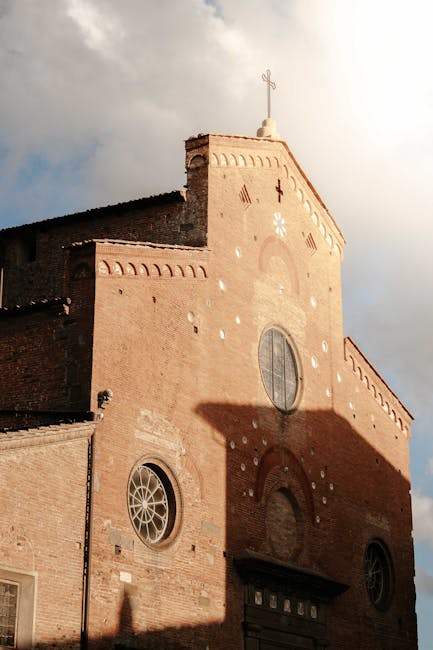






Introduction — Why explore nativity scenes and rural churches around Florence
Florence often feels like an open-air museum: Renaissance masterpieces, world-famous museums and cobbled lanes. Yet a short drive or public-transit ride away, the Florentine countryside hides quiet spiritual and artistic gems — Romanesque churches, medieval abbeys and local nativity displays — that tell the story of a more intimate Tuscany. This tour of nativity scenes and rural churches from Florence takes you beyond the Ponte Vecchio and the Duomo, to places where faith, folk art and village life mingle.
Nativity scenes (presepi) in Tuscany are a living tradition: during Advent and Christmas, local brotherhoods, families and artisans build Nativity displays in carved wood, papier-mâché or in landscape dioramas that often incorporate the surrounding rural scenery. Visiting these presepi, usually hosted in parish churches or little chapels, gives you a close-up of a religious culture expressed through detail and popular devotion. At the same time, rural churches — sometimes simple pievi (parish mother churches) — preserve frescoes, altarpieces and liturgical layouts that date back to the Middle Ages.
This guide focuses on an itinerary you can do in a day or spread over a weekend from Florence. It lists concrete sites with exact addresses, opening times, rough prices and practical tips: where to park, how to avoid mass times, and when the light is best to bring out frescoes and sculptures. The approach is immersive: I’ll give not only logistical info but sensory descriptions — the smell of wax and incense, shafts of shadow across ancient vaults, the panoramic view from a forecourt overlooking olive groves — so you can picture each stop before you go.
Whether you love sacred art, are a photographer hunting intimate compositions, a pilgrim seeking quiet, or a curious traveler drawn to Christmas traditions, this tour offers a balanced selection: a large fortified abbey, an emblematic Florentine basilica and several rural pievi with surprising frescoes. Visits can be followed by stops at local taverns to sample schiacciata or a glass of Chianti from the area. Finally, practical tips will help you make the most of your time, respect places of worship and enjoy local presepi when they’re on display.
 Click here to reserve your skip-the-line Accademia gallery tour

Featured route: Basilica di San Miniato al Monte and the Florentine hill
Start your day at one of Florence’s spiritual icons: the Basilica di San Miniato al Monte. Perched on its namesake hill, it offers a perfect visual and spiritual prelude before you head out to the rural churches. Exact address: Piazza di San Miniato al Monte, 50125 Firenze FI. Founded in the 11th century, the basilica is a fine example of Tuscan Romanesque architecture, notable for its polychrome marble façade and the mosaic pavement inside.
Opening times: generally daily 7:00–19:00 (the basilica may close early on some holidays; the sacristy and museum have variable hours). Admission: access to the basilica is free, while entry to the crypt and the monastic museum is often by voluntary contribution or a ticket costing between <strong€3 and €7 depending on the exhibition. Allow 5–10 minutes to admire the façade and the interior, but plan at least 45 minutes if you want to climb the terrace viewpoint and visit the small museum.
Immersive description: as you approach you’ll notice how silence is pierced by birdsong and the sweeping view of Florence; from the paved forecourt, the perspective on the Duomo and Brunelleschi’s dome is breathtaking. Inside, light filtering through the windows brings the marbles and the rich choir into relief. During Christmas, a handcrafted nativity scene is often placed near the altar, made by local artisans or the monastic community.
Practical tips: arrive early at sunrise for golden light on the façade (great for photography), or late afternoon for warmer tones. The climb to the basilica involves a number of steps (take care if you have mobility issues); an alternative route via Via delle Porte Sante is gentler. If you’re driving, the Piazzale Michelangelo car park (Piazzale Michelangelo, 50125 Firenze FI) is convenient, followed by a short walk. Respect mass times — usually posted on a board at the entrance — to avoid interruptions.
Click here to climb Brunelleschi’s Dome for panoramic views

Abbazia di Badia a Passignano — medieval monastic life and rural nativity scenes
About 25–30 km southwest of Florence, tucked into the Chianti hills, lies the Abbazia di Badia a Passignano (address: Via Badia, 5, 50028 Badia a Passignano, Barberino Tavarnelle (FI)). This Benedictine abbey, mentioned as early as the 10th century, is noted for its commanding position over the valley and for the paintings it shelters, some attributed to Quattrocento artists.
Hours and fees: the abbey is generally open to the public Tuesday to Sunday from 10:00 to 17:00, closed on Mondays — but hours can change with the season and monastic services. Indicative entrance fee for the complex: €4 for access to the cloister and chapel; special guided tours and concerts may be priced between €8 and €15. In December, the abbey often hosts exhibits of local nativity scenes with a modest entry contribution.
Immersive description: approaching along a winding road lined with olive trees, the abbey appears like a gentle fortress, its sun-warmed stones showing ochre hues. Inside, the cloister invites stillness: pointed arches, shaded loggias and an atmosphere where you hear only footsteps and leaves rustling. The nativity displays at Badia a Passignano are notable for integrating the landscape: miniature figures set into wooded dioramas reproduce local place names, rural textures and scenes of traditional crafts.
Practical tips: combine the abbey visit with a tasting at a nearby cantina (many Chianti roads are dotted with agriturismi). Wear comfortable shoes — cloister floors can be uneven — and bring a small torch or use your camera’s night mode to photograph frescoes in low light. Check the service schedule — it’s best to avoid mass times if you want quiet and the opportunity to take photos without crowds.
Click here to taste white wine with an aperitivo at a local estate
Pieve di San Giovanni Battista, parish mother churches and hidden frescoes
Pievi (rural parish churches) are the backbone of the Tuscan countryside’s religious life. A representative pieve to visit from Florence is the Pieve di San Giovanni Battista in Scopeto, though similar pievi are found in the municipalities of Impruneta, Grassina and Bagno a Ripoli. For an accessible example: Pieve di San Giovanni Battista, Via della Pieve, 50023 Impruneta (FI) (this is the Impruneta municipal address — the pieve sits in the hills northwest of Impruneta).
Hours and fees: most rural pievi are open free of charge during daytime visiting hours, often 9:00–12:00 and 15:00–18:00 outside mass. Access is free or by a small donation of €1–3 to help maintain and conserve the frescoes. Some sites offer guided visits by local volunteers for €5–10.
Immersive description: pievi are marked by interior simplicity: low vaults, wooden benches polished by generations of parishioners and, above all, wall frescoes that narrate biblical tales and saints’ lives. Oxidized hues and flaking plaster tell the story of time. In winter, oblique light slips through small windows and illuminates Nativity scenes assembled by villagers using local materials — straw, ceramics and naturally dyed textiles.
Practical tips: when visiting a pieve, follow local rules — dress modestly and keep quiet — and ask permission before photographing ceremonies or private nativity displays. If you stumble on a village staging a presepe vivente (living nativity), arrive early to secure a seat and bring warm layers in winter: these performances often take place outdoors.
Basilica di Santa Maria all’Impruneta and the terracotta tradition
The Basilica di Santa Maria all’Impruneta is another highlight on this route. Address: Piazza di Santa Maria, 1, 50023 Impruneta (FI). Known for its Romanesque basilica and the local craft of terracotta production, Impruneta makes an ideal stop to combine sacred art and traditional craftsmanship.
Hours and fees: the church is generally open daily 8:30–12:30 and 15:00–18:00. Entrance to the basilica is free, but guided tours of the complex and the museum may be offered for €3–6. During Advent, terracotta nativity workshops are often organized — indicative costs range from €10 to €25 depending on duration and level of instruction.
Immersive description: the basilica is defined by a warm, popular atmosphere. Local presepi are sometimes made in terracotta, an expression of a craft passed down for centuries. At shops and workshops near the piazza you can see hand-modeled nativity figures — small characters with expressive faces wearing traditional costumes. The basilica itself, with its rustic portal and side chapels, offers intimate settings where nativity scenes feel especially meaningful.
Practical tips: plan a stop at a pottery workshop to watch santoni being made and, if possible, join a short session to model a small figure to take home. To reach Impruneta from Florence, the SITA/ATRAL bus line serving the area can be an economical option; by car, allow about 20–30 minutes from the city center depending on traffic. During Christmas markets the piazza becomes lively and parking is tricky — use village lots and walk in.

Practical tips for planning your tour from Florence
Planning: for a day trip, stick to two or three sites maximum to avoid rushing. An achievable itinerary example: depart Florence at 9:00 for San Miniato al Monte (visit 9:30–10:30), drive to Badia a Passignano (arrive 11:30–13:00 with lunch), then Impruneta in the afternoon (14:30–16:30), returning to Florence before nightfall.
Transport: a car is the most practical option to reach pievi and rural abbeys (travel times vary: 20–45 minutes). If you prefer public transport, check regional bus lines (SITA, Autolinee Toscane) and schedules, as some sites have limited weekend service. For taxis or private drivers, budget more: expect about €40–80 for a half-day depending on the area.
Gear and comfort: comfortable shoes, layered clothing (churches can be cool even in summer), a small notebook to jot down artists’ names or anecdotes, and a printed or downloaded guide with addresses and hours. Carry cash for donations (often €1–5) and for small artisan shops.
Ethics and respect: remember you’re visiting living places of worship. Turn phones off or to silent, avoid photography during services, ask permission before photographing people or private presepi, and obey signage and closing times. Some monasteries require modest dress (shoulders covered, skirts/shorts not too short).

Conclusion — The value of slow travel through sacred Tuscany
Visiting nativity scenes and rural churches around Florence is a choice for slowness and listening. Beyond the city’s major monuments, each abbey, pieve or basilica is a capsule of history and local life: the hands that shaped a terracotta figure, the friar who helped preserve a fresco, the family who renews the village nativity every year. These places invite quiet reflection and offer a deeper understanding of the religious and artistic practices that shaped Tuscany.
Practically speaking, keep the addresses and hours given in mind but always allow extra time: schedules can change for religious feasts, services and parish events. The prices mentioned are typical — free admission, voluntary contributions or small tickets for museums and guided tours — and help support the conservation of these heritage sites. Above all, give yourself time to wander: an unexpected stop at a trattoria, a photo taken from a churchyard, a chat with a priest or an artisan can turn a visit into a lasting memory.
Whether you’re heading out for a day from Florence or staying a weekend, bring curiosity and a respectful spirit: you’ll discover a living Tuscany where the tradition of nativity scenes and the rural religious heritage continue to tell the story of a people and their land. Safe travels and enjoy your discoveries — and don’t forget to check local opening times and access conditions before you go, especially during the holiday season.