





Introduction
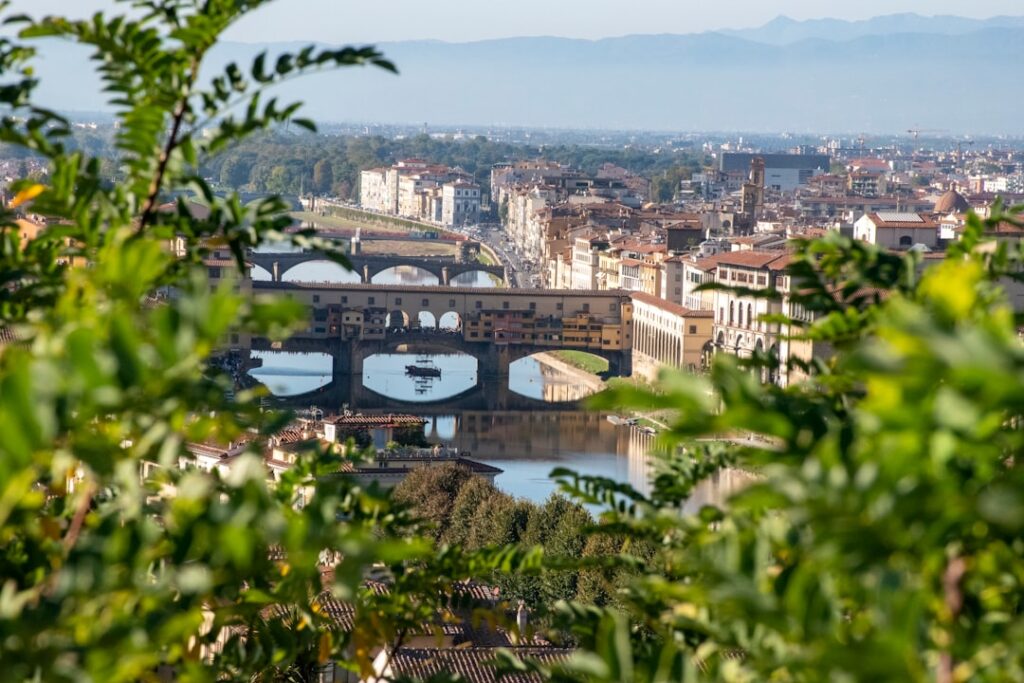
The Olive Route around Florence is a sensory invitation to discover the soul of Tuscany through one of its most iconic products: extra virgin olive oil. More than a simple food tour, it’s a cultural journey that brings together rolling landscapes, medieval villages, traditional mills and centuries-old groves. Just a few kilometres from the Piazza del Duomo and the Ponte Vecchio, you can go in a matter of minutes from a bustling city of art to hills dotted with carefully pruned olive trees, where sun and soil create oils of remarkable finesse.
Along this route, farms offer visits to frantoi (oil mills), comparative tastings, farm lunches in the shade of an olive tree and workshops on pairing oil with wine and cheese. You’ll learn how to spot a fresh oil, how to read a D.O.P. (Denominazione di Origine Protetta) label and how terroir — exposure, altitude, soil type — shapes flavours: grassy notes, delicate bitterness, and that finishing peppery kick that tickles the throat.
This guide is aimed at travellers who want to combine art, history and gastronomy. It lays out concrete stops with full addresses, opening hours, approximate tasting prices and practical tips for planning a day — or several — on the Olive Route around Florence. Whether you’re driving a rental car, on an e-bike, or prefer a guided tour from the city, you’ll find suggested itineraries, reliable addresses like the Castello di Verrazzano in Greve in Chianti or the Villa Campestri Olive Oil Resort in Londa, and seasonal advice to make the most of harvests and presses.
In the following paragraphs discover must-see visits, historic frantoi to tour, hands-on tastings and tips for safely bringing bottles home. Get ready for a trip where texture and colour — from emerald green to golden — tell the story of an age-old terroir, and where every drizzle of oil brings you closer to the hills surrounding Florence.
Why choose the Olive Route near Florence? History and terroir
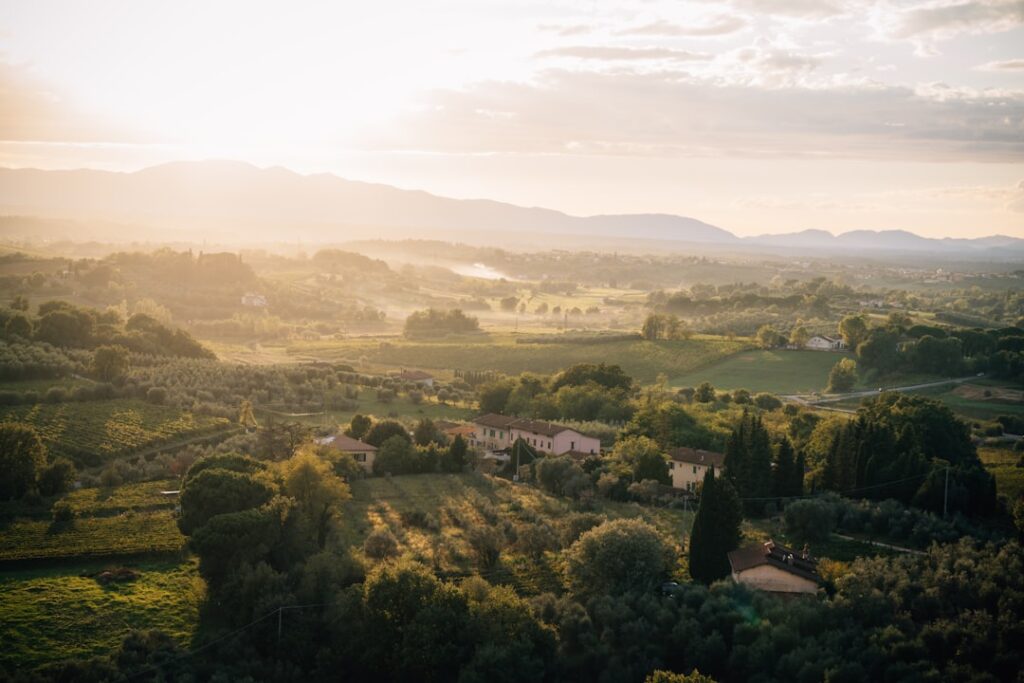
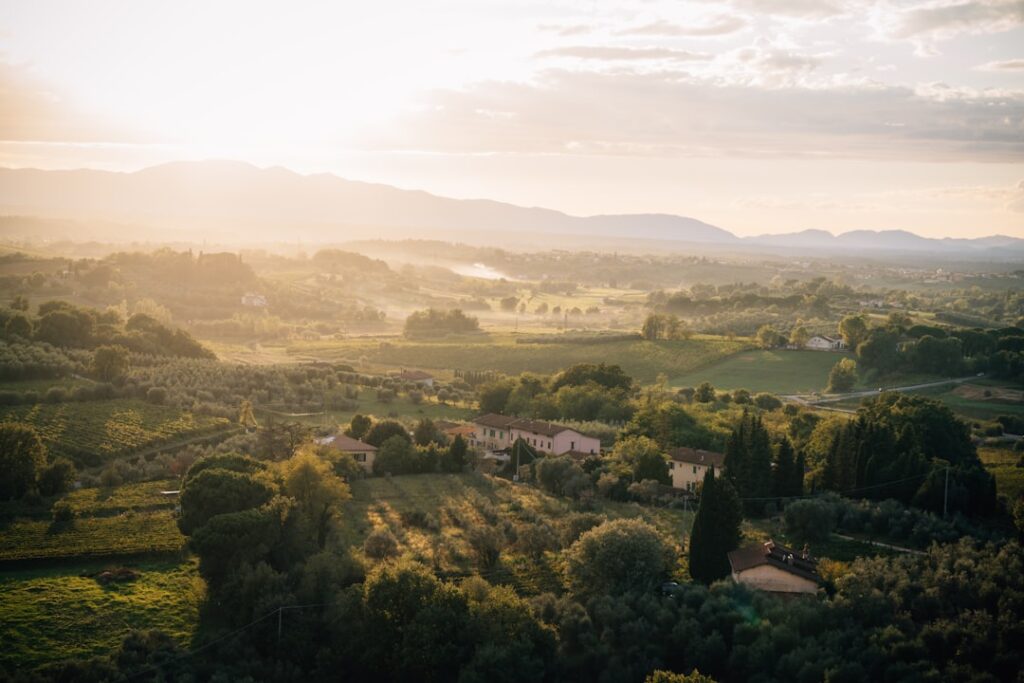
Olive cultivation in Tuscany goes back to antiquity: Romans and Etruscans shaped the terraces and irrigation systems that survive today. Around Florence, the Mediterranean climate — mild winters and sunny summers — combined with sometimes stony soils and altitudes ranging from roughly 100 to 600 metres creates an ideal terroir for producing extra virgin olive oils with pronounced aromatic profiles. Every valley, every hill can yield a different oil, and it’s precisely this variety that makes the Olive Route so fascinating.
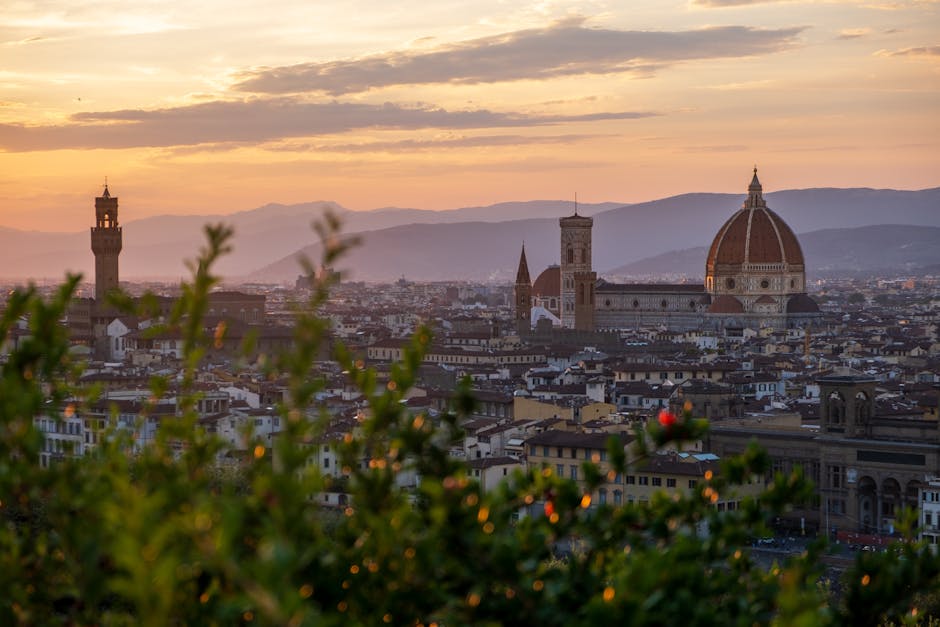
The areas surrounding Florence include well-known subregions such as Chianti Classico (provinces of Florence and Siena), Valdisieve, Valdarno and the Mugello hills. Each produces oils that can be light and fruity or intense and herbaceous. Some oils carry protected labels (D.O.P. Chianti Classico, I.G.P. Toscano) which guarantee traceability and local craftsmanship.
The tourist appeal also comes from the proximity of monuments and scenery: after a morning in the rooms of the Galleria degli Uffizi (Piazza della Signoria, 50122 Firenze), it’s possible to stop a few kilometres away to see a traditional mill, watch an olive press (in season) or join a commented tasting. Meeting producers is a genuinely rewarding exchange: you’ll hear about agronomic practices, hand versus mechanical harvesting, and the crucial timing between picking and pressing to limit oxidation.
 Click here to book timed entry to the Uffizi Gallery
Recommended itinerary: practical stops, distances and addresses
To make the most of your experience, here’s a one-day itinerary (or one you can stretch over two days) starting from Florence. All sites listed are reachable by car and some offer shuttle services or guided tours by reservation. Distances are approximate from Florence’s historic centre (Piazza del Duomo).
- Start: Firenze (Piazza del Duomo, Florence) — a central reference point.
-
First stop: Villa Campestri Olive Oil Resort
Address: Via Vecchia Fiorentina, 19, 50060 Londa (FI). Distance: ~35 km, about 45 minutes by car.
Opening hours: generally open daily 09:00–18:00 (visits and tastings by reservation). Price: tours and tastings €25–€45 per person depending on the package.
Description: A resort/olio library offering sensory workshops, Tuscan lunches and walks through the olive groves. -
Second stop: Castello di Verrazzano
Address: Piazza Matteotti, 1, 50022 Greve in Chianti (FI). Distance from Villa Campestri: ~40 km, about 50 minutes.
Opening hours: estate visits 10:00–17:30 (April–October), closed some days off-season; check ahead. Price: guided tour and tasting €20–€35 per person.
Description: A medieval castle with wine cellars, olive groves and a shop selling estate oils and wines. -
Third stop: Frantoio Franci
Address: Via San Biagio, 1, 53024 Montenero d’Orcia (SI). Distance from Greve in Chianti: ~70 km, about 1h15 drive (scenic route).
Opening hours: workshops and visits by reservation; office hours typically 09:00–13:00 and 15:00–18:00 on weekdays. Price: mill visit and tasting €12–€30 depending on length and inclusions.
Description: A historic mill renowned for the quality of its oil, often awarded in international competitions; an excellent place to learn about cold-pressing.
Click here to book a white wine tasting with aperitivo
Practical note: distances in Tuscany may be short in kilometres but long in driving time due to secondary roads and winding hills. Always allow extra time for tastings, photos and buying bottles to take home.
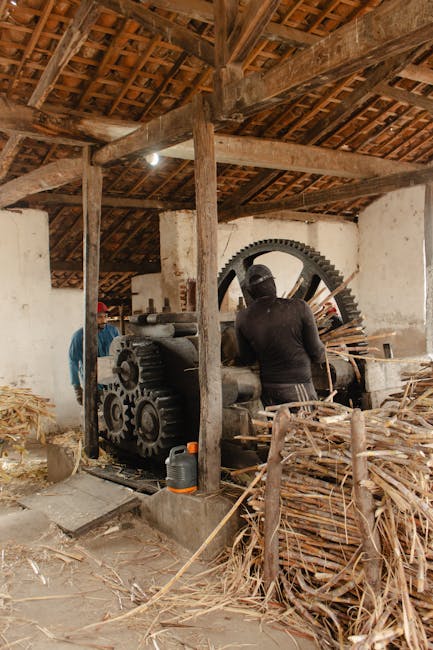
Tastings and visits: what to do and where to book
Olive oil tasting is approached much like wine tasting: you look at the colour (though it reveals little), smell it, then taste a small amount from a special spoon. Producers will often offer a « degustazione verticale »: several vintages or cuvées side by side to compare nuances. Typical profiles range from fruttato leggero (lightly fruity) to fruttato intenso (intensely fruity), with varying degrees of bitter and fruity back-notes.
Here are reliable addresses and standard packages:
-
Villa Campestri Olive Oil Resort
Package: guided olive grove tour + sensory lab + tasting (oil, bread, bruschetta) + lunch option. Price: €25 (short workshop) to €55 (full workshop + lunch). Booking recommended: +39 055 836 623 (indicative number) or via the website. -
Castello di Verrazzano
Package: estate tour including wine cellars + olio tasting. Price: €20–€35. Seasonal hours; tours often available in multiple languages. Address: Piazza Matteotti, 1, 50022 Greve in Chianti (FI). Cellar phone: +39 055 852 012. -
Frantoio Franci
Package: mill visit with technical explanation of pressing + vertical tasting. Price: €12–€30. Address: Via San Biagio, 1, 53024 Montenero d’Orcia (SI). Hours variable; call ahead to confirm.
Tasting tips:
- Avoid wearing strong perfumes: they mask aromas.
- Taste oils with neutral bread or on a spoon: don’t mix oils without rinsing your palate.
- Check labels: D.O.P., I.G.P., extraction method (cold extraction), acidity percentage (ideally under 0.5%).
- Buy on site: producers often sell 250–500 ml glass bottles (average €8–€25) or tasting gift sets (€25–€60).
Meeting the producers: portraits and stories
Some of the richest moments on the Olive Route are meeting families who have tended olives for generations. These producers share stories of harvests in the rain, pruning secrets and innovations to reduce environmental impact. Here are typical profiles you’ll come across:
- The traditional producer — runs a small estate (5–20 hectares), often harvests by hand or with light mechanical combs, and presses olives in a local frantoio the same day. Expect an intimate tasting, often around a family table, with detailed technical explanations.
- The diversified wine estate — combines vineyards and olive groves, like at Castello di Verrazzano; the visit blends wine culture and oil pairings, ideal for those wanting to compare aromatic profiles.
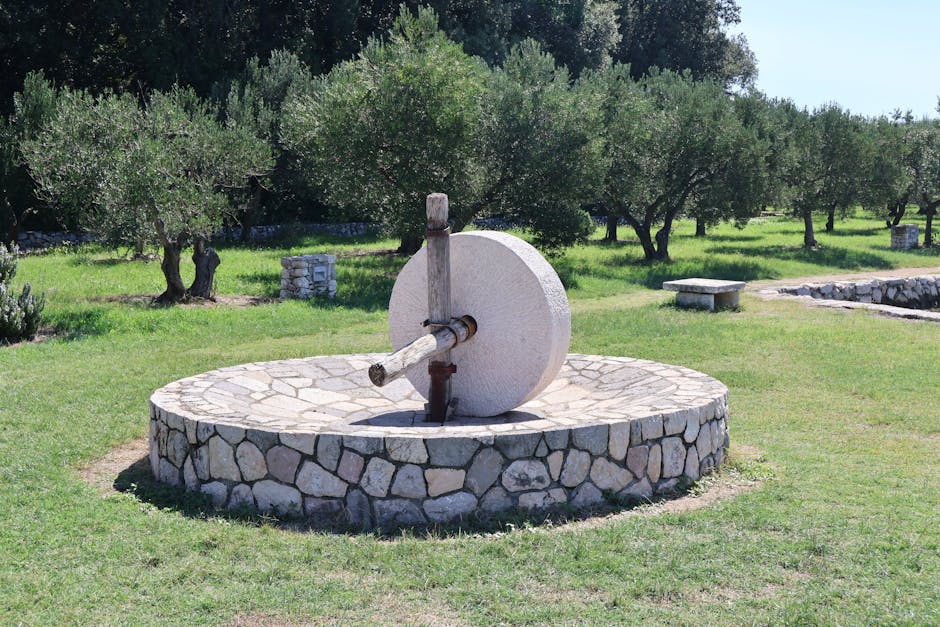
- The innovative mill — invests in high-tech presses to optimise cold extraction and limit oxidation: Frantoio Franci is an example of a mill known for modern methods paired with traditional know-how.
Points to be mindful of when meeting producers:
- Show genuine interest: producers love to explain their methods. Ask about irrigation, organic treatments and crop rotation.
- Respect schedules: visits are often arranged between 10:00 and 17:00; during harvest (October–November) mornings are dedicated to pressing.
- Bring cash: some small producers prefer cash for on-site purchases.
Practical tips: transport, season, shopping and storage
Transport: the Olive Route is best explored by car. Renting a small city car is handy for narrow Tuscan roads. From central Florence you’ll find several rental agencies (or take buses to peripheral areas if you don’t drive). If you’d rather not drive, opt for a full-day organised excursion: many companies in Florence offer tours that combine vino and olio.
Season: the best time to see mills in action is autumn, from mid-October to the end of November, when harvesting and pressing take place. Spring (April–June) offers incredibly green landscapes and mild temperatures, perfect for walking the groves. Summer can be very hot, but early-morning visits remain pleasant.
Shopping and prices: a 500 ml bottle of good extra virgin olive oil typically costs between €8 and €25 depending on producer and label. Special cuvées, single-varietal or vintage oils can reach €30–€60. Small producers often sell gift sets or 500 ml dark glass bottles recommended for preservation. If you buy multiple bottles, ask for reinforced packaging or bubble-wrapped boxes to avoid breakage.
Storage: olive oil keeps best away from light and heat. At home store it in a cupboard away from the stove and try to consume it within a year of purchase to enjoy its fresh aromas. If you’re flying with bottles, follow cabin liquid rules (usually 100 ml max) and prefer checked baggage or buy duty-free bottles that are securely packaged.
Quick checklist:
- Prepare a GPS or mapping app (Google Maps, Waze).
- Book tastings in advance, especially in high season.
- Bring comfortable shoes and a hat for shade.
- Bring reusable bags for your food purchases.
Complementary experiences: restaurants, pairings and workshops
After a tasting, nothing beats a proper meal to experience olive oil in context. Many agriturismi and local restaurants feature menus that highlight oil: garlic and olive oil bruschette, pasta with pesto made from local olives, grilled fish finished with a drizzle of olio nuovo.
Recommendations near Florence:
- Osteria del Chianti (typical example) — a rustic restaurant in the Greve area offering a tasting menu focused on the estate’s oil. Meal price: €25–€45 per person.
- Agriturismo Il Molinaccio — offers cooking workshops to learn how to cook with different oils: 2-hour classes starting from €40 per person.
Hands-on workshops: beyond tasting, you can take part in:
- Cooking classes: learn to integrate olive oil into classic Tuscan dishes (panzanella, ribollita, crostini).
- Sensory workshops: training to recognise grassy, bitter and peppery notes.
- Technical visits: understand how a centrifuge works, and the role of temperature and pressing time.
These experiences enrich a visit and bring olive oil to life: it stops being just a product and becomes the thread that connects culture, the table and the Tuscan way of life.
Conclusion
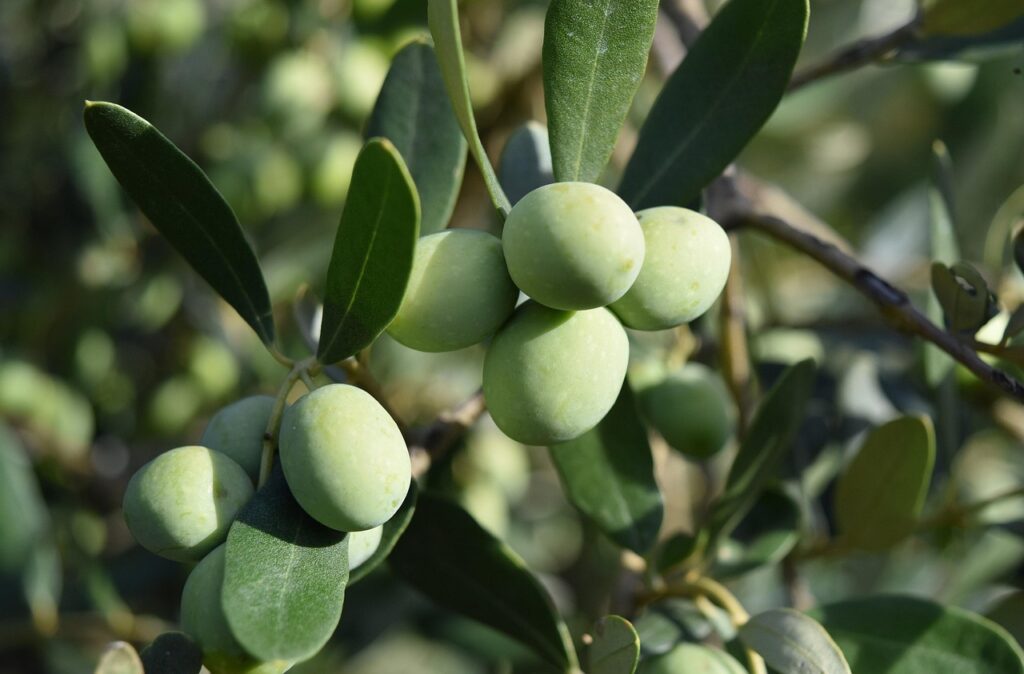
The Olive Route near Florence blends sensory discovery, cultural heritage and gastronomic pleasure. Moving from the lively streets of Florence to hills dotted with gnarly olive trees, you’re immersed in an agricultural tradition that continues to shape Tuscany’s landscapes and flavours. Suggested addresses such as the Villa Campestri Olive Oil Resort (Via Vecchia Fiorentina, 19, 50060 Londa, FI), Castello di Verrazzano (Piazza Matteotti, 1, 50022 Greve in Chianti, FI) and Frantoio Franci (Via San Biagio, 1, 53024 Montenero d’Orcia, SI) offer complementary experiences — from rustic luxury to technical workshops — and suit every type of traveller, from the curious visitor to the demanding gourmet.
Plan your visit: book ahead during high season, prioritise mornings for mill visits during pressing season and keep some cash for small purchases at producers. To bring oil home, choose dark glass bottles of 250–500 ml (average prices €8–€30) or well-packaged gift sets; check transport rules if you fly.
Finally, give yourself time to savour the scenery: the Olive Route isn’t just a string of technical stops, it’s a pause that teaches you to see Tuscany differently, to listen to family stories, to taste the season and to understand that olive oil is a direct reflection of the land. Whether you return with a rare bottle, a new recipe or simply fragrant memories, this journey will add an authentic local dimension to your Florentine stay.
Safe travels and buon appetito — or as your Tuscan hosts say: buon viaggio e buon olio!