





Introduction
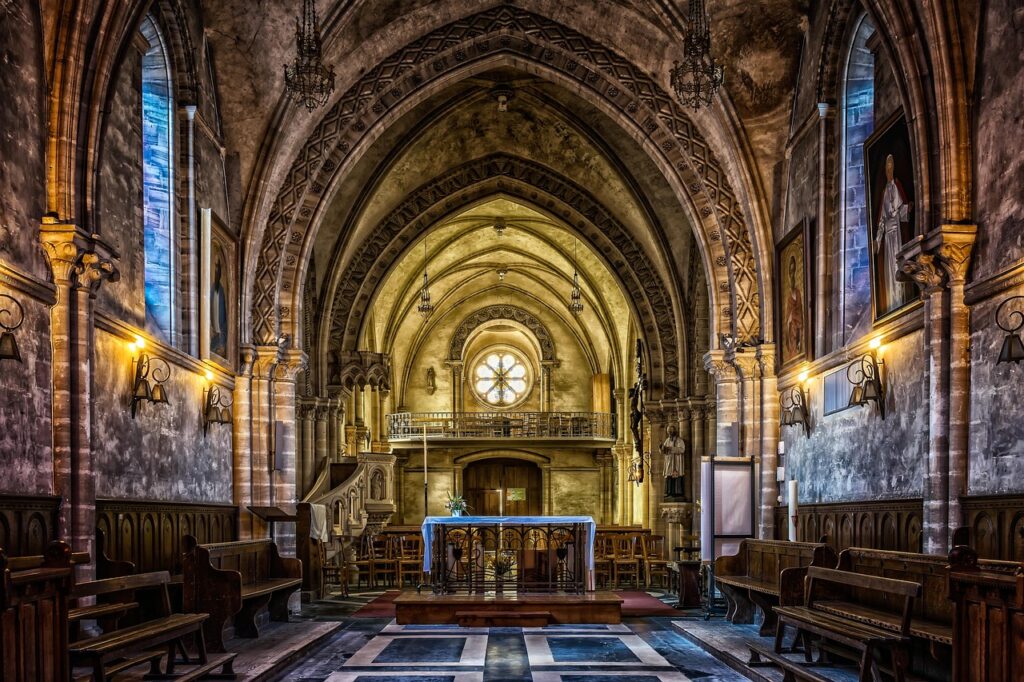
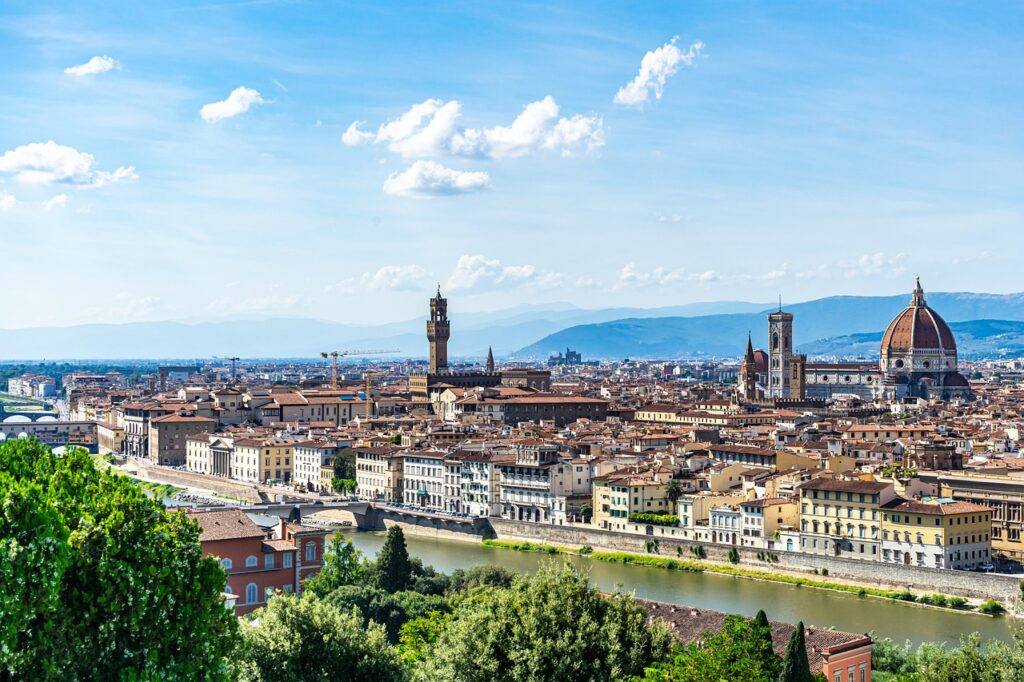
Florence is usually associated with names like the Cathedral of Santa Maria del Fiore, the Ponte Vecchio and the Uffizi Gallery. Yet, tucked between the major tourist attractions, the city hides a constellation of small chapels and oratories that are often skipped on classic itineraries but deserve your attention. These sacred spaces — some decorated by leading Renaissance masters, others shaped by the sober, spiritual architecture of the Quattrocento — offer moments of calm, artistic details missed by the crowds, and stories of patrons, influential families and religious communities that helped shape Florence.
Visiting these chapels is like stepping into miniature museums where light behaves differently, where human scale is respected, and where a fresco, an altar or a vault can move you as much as the great masterpieces. Some are located inside well-known basilicas but hidden in cloisters or side chapels rarely explored; others stand alone, tucked away in alleyways, neighborhood churches or specialist museums. Each has its own story: a powerful sponsor, a specific iconographic program, a revealing restoration, or simply a unique morning light.
This article invites you to discover several « lesser-known but fascinating » chapels in Florence: places where art and devotion meet in private. For each site you will find the exact address, practical opening hours, an indicative entrance price in euros, an immersive description and concrete tips to make the most of your visit (best times to go, respectful behavior, recommended routes). The aim is to give you a useful guide to enrich your Florence itinerary, whether you have visited many times or are planning your first trip.
Before you head out, keep a few simple rules in mind: dress respectfully (shoulders and knees covered in places of worship), check opening times online before you go (chapels often have seasonal hours or may be closed for services or restoration), and set aside a moment of silence to truly feel the atmosphere. Finally, leave room for surprise: some chapels hold works not mentioned by tourist guides, hidden mosaics, or viewpoints over medieval rooftops that are worth discovering.
 Click here to Book your climb to Brunelleschi’s Dome and Duomo
Cappella Brancacci — Chiesa di Santa Maria del Carmine
Full name: Cappella Brancacci (inside the Chiesa di Santa Maria del Carmine, Brancacci Chapel)
Address: Piazza del Carmine 14, 50124 Firenze, Italy
Indicative price: Admission to the Cappella Brancacci around €8.00 to €12.00 (price varies with high season and temporary exhibitions). Some combined tickets for the church and exhibitions may exist.
Typical opening hours: Generally the Cappella Brancacci is open Tuesday to Sunday, roughly 10:00 to 17:30; closed on Mondays. Note: hours may change due to services and special events — check before you go.
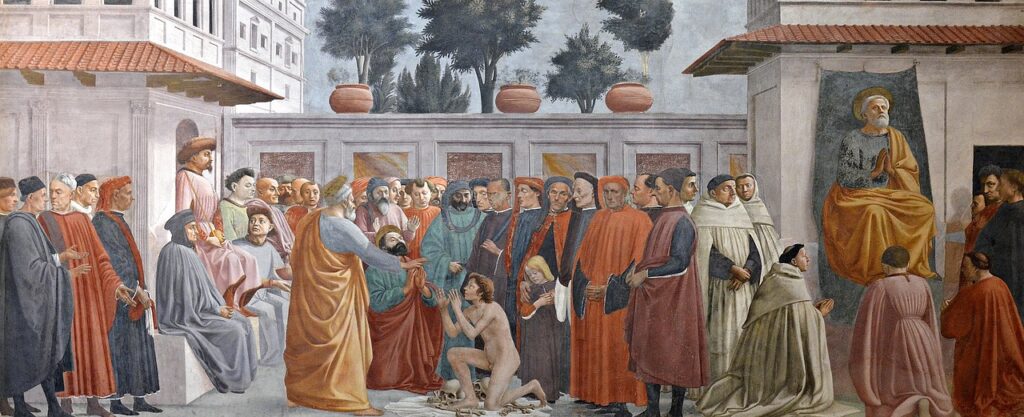
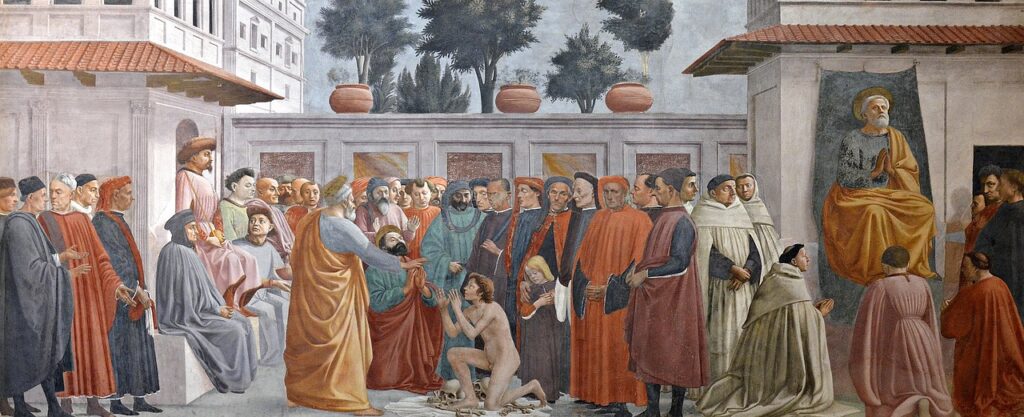
Why visit: The Cappella Brancacci, located in the church of the Carmine, is famous for its 15th-century frescoes attributed to Masaccio and Masolino and later touched up by Filippino Lippi. This pictorial cycle is considered a milestone of Renaissance painting for its innovative use of perspective, luminous modeling and narrative clarity. The sense of intimacy is striking: you stand close to the frescoes and the biblical stories — scenes such as « The Temptation of Adam and Eve » or « The Life of Saint Peter » — take on a human, almost theatrical dimension.
Immersive description: Entering the small chapel, light filters in a special way through the stained glass and falls across the faces of painted saints and sinners. The colors — brought back to life by careful restorations — retain the « grain » of the 15th century: skin tones, garments and stone landscapes seem to breathe. Masaccio’s compositional solidity, almost sculptural, contrasts with Masolino’s linear grace: it’s a visual dialogue you feel fully within the confined space of the chapel.
Practical tips:
- Arrive early in the morning (or late afternoon in low season) to avoid school groups and mass tours. Morning light especially flatters the frescoes.
- Buy tickets online if available: it saves you from queuing and sometimes secures a timed entry slot.
- Opt for an audio guide or a small printed guide to help decode the episodes of Saint Peter’s life — the narrative is rich and can feel confusing without reference points.
- Respect silence and the indicated distance: the chapel is an active and fragile place of worship.
Pazzi Chapel — Basilica di Santa Croce (Cappella Pazzi)
Full name: Cappella dei Pazzi (Pazzi Chapel), within the Basilica di Santa Croce
Address: Piazza Santa Croce 16, 50122 Firenze, Italy (cloister side of the basilica)
Indicative price: Often included in the combined ticket for the Basilica di Santa Croce (around €8.00 to €12.00 for entry to the basilica and cloisters); a standalone visit to the chapel via the Santa Croce complex may be around €6.00 to €10.00.
Typical opening hours: The Santa Croce complex is generally open from 9:30 to 17:30 (closing varies by season). The Pazzi Chapel, located in the cloister, can have slightly different hours — check the official site.
Why visit: The Pazzi Chapel is a masterpiece by Filippo Brunelleschi and is considered a milestone of Renaissance architecture. Built as a funerary chapel for the powerful Pazzi family, it stands out for its rigorous geometry, its use of a hemispherical dome, and its harmonious relationship between light and proportions. Unlike large baroque naves, the Pazzi exudes measured serenity and spatial logic that would deeply influence religious architecture.
Immersive description: On entering the chapel you first feel the clarity. The square space topped by a dome is paced by arches and pilasters; pale stone and decorative elements answer one another in an almost mathematical order. Light filtering in from the side gently sculpts the volumes, revealing the fine cornices and the abstract play of shadows. The apparent simplicity hides technical sophistication: the joining of planes, the balance of proportions, and the way the dome « crowns » the space all testify to Brunelleschi’s genius.
Practical tips:
- The chapel is often less crowded than Santa Croce’s main interior; take advantage of quiet hours (early afternoon on weekdays) for a contemplative visit.
- If you’re into architecture, spend time studying structural details: the joints, the stonework, and how light interacts with the sequence of arcades.
- Combine the visit with the cloister and the adjacent museum to see works connected to the Franciscan community and better understand the historical context.
- Access involves stairs and narrow spaces; not recommended for visitors with severe mobility issues without prior information.
Cappella Sassetti — Chiesa di Santa Trinita
Full name: Cappella Sassetti (Sassetti Chapel), private chapel inside the Chiesa di Santa Trinita
Address: Piazza Santa Trinita 1, 50123 Firenze, Italy
Indicative price: Entry to the Chiesa di Santa Trinita is usually free; the chapel may request a small contribution or be accessible via tickets for certain guided visits (around €3.00 to €6.00 for specific access depending on events).
Typical opening hours: The church is generally open in the morning until early evening (for example 10:00–18:00), but the chapel and other inner spaces can have different hours; check ahead.
Why visit: The Cappella Sassetti houses a cycle of frescoes by Domenico Ghirlandaio from the late 15th century. Commissioned by Francesco Sassetti, a wealthy banker linked to the Medici family, these paintings are a valuable record of civic and religious life in Florence at the time. They blend biblical scenes and contemporary portraits, offering a rare social glimpse: you can recognize faces of the Florentine bourgeoisie, streets, costumes and customs of the period.
Immersive description: The chapel, more intimate than many parish spaces, feels like stepping into a pictorial theater. Each fresco panel opens like a window onto a distinct scene: carefully arranged compositions, vivid colors and minute details — flowers on fabrics, metallic reflections, the characters’ expressions — create an almost familial closeness. Ghirlandaio excels at weaving the sacred and the everyday: townspeople lingering in the background give documentary weight to the sacred narrative.
Practical tips:
- Visit in the morning to enjoy a soft light that enhances the frescoes’ colors without glare.
- Listen to a local guide or use an audio guide to spot the portraits and understand the Sassetti family’s role in Florentine artistic patronage.
- Don’t miss the profane details the artist slips into the scenes — they’re part of the historical reading of the panels.
- The chapel is a short walk from the Ponte Santa Trinita and the Arno embankments: combine the visit with a stroll along the river.
Tornabuoni Chapel — Basilica di Santa Maria Novella
Full name: Cappella Tornabuoni (Tornabuoni Chapel), inside the Basilica di Santa Maria Novella
Address: Piazza di Santa Maria Novella 18, 50123 Firenze, Italy
Indicative price: Entry to the basilica and its side chapels is generally included in the Basilica di Santa Maria Novella ticket, indicative price €6.00 to €10.00. Reduced rates may be available for students and seniors.
Typical opening hours: Basilica generally open from 9:00 to 17:30/18:00, with seasonal variations; specific chapels may be partly inaccessible during services.
Why visit: The Cappella Tornabuoni houses remarkable paintings by Domenico Ghirlandaio and his workshop, including narrative fresco cycles that defined 15th-century painting. Less promoted by mass tourism circuits than other Florentine chapels, it still offers an immersion into narrative painting and a portrait of civil Florence through faces, urban backdrops and period costumes.
Immersive description: The side space of Santa Maria Novella where the chapel sits presents the typical blend of Gothic architecture and Renaissance decoration. The frescoes recount episodes from the life of the Virgin and patron saints, but it’s the passages where everyday Florentine life creeps in that captivate: shops, stalls and recognizable figures in contemporary dress convey the vitality of a merchant city.
Click here to Book your Santa Maria Novella entry with audio guide
Practical tips:
- Santa Maria Novella is right outside the train station of the same name: combine a visit with your arrival or departure by train to save time.
- The basilica has a museum and a cloister; allow at least 1h30 to see the Tornabuoni chapel and nearby spaces without rushing.
- Since the chapel attracts fewer crowds, take a moment to sit and observe the iconographic details.
- Check for temporary exhibitions: sometimes works or installations can alter access to the chapel.
Cappella dei Principi — Cappelle Medicee (San Lorenzo)
Full name: Cappella dei Principi (Chapel of the Princes), within the Cappelle Medicee – Museo delle Cappelle Medicee, Basilica di San Lorenzo
Address: Piazza di Madonna degli Aldobrandini 6 (entrance at Piazza San Lorenzo), 50123 Firenze, Italy — the Cappelle Medicee complex is located within the Basilica di San Lorenzo and the Museo delle Cappelle Medicee complex.
Indicative price: Entry to the Cappelle Medicee complex and the museum (including the Cappella dei Principi) about €10.00 to €12.00. Reduced rates for certain categories; combined tickets may be available with other San Lorenzo museums.
Typical opening hours: Generally open from 9:00 to 19:00 (last entry varies). Confirm hours on the official site as they can change by season and events.
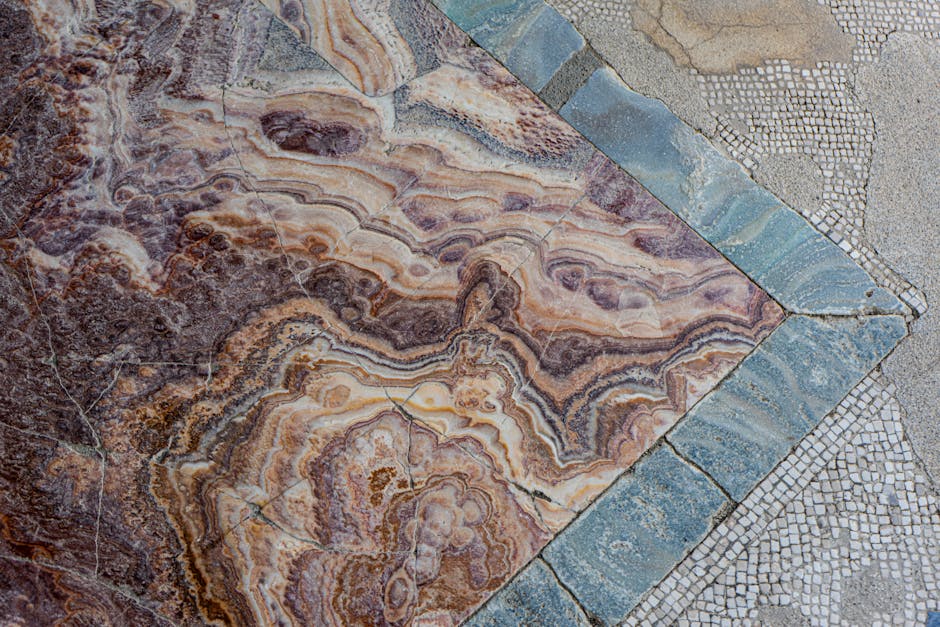
Why visit: Although the Cappella dei Principi is relatively well known for its opulence, it still offers a different, less intimate experience compared with small neighborhood chapels, and should be read as a monument to power and image. Built to glorify the Medici dynasty, its walls and dome are covered in precious marbles, inlays and sumptuous decorations — a striking contrast with the religious simplicity of other Florentine chapels. It’s a place where art and political display meet.
Immersive description: On entering, you’re struck by the abundance of materials and the monumentality: semi-precious stones, polychrome marbles and sculptures turn the chapel into a jewel box. Light filtered through small openings brings out the polished surfaces and chromatic play. The Cappella dei Principi is also a showcase of modern decorative techniques of its time: a place designed to impress and immortalize a lineage.
Click here to Reserve your entry to the Medici Chapels
Practical tips:
- Plan your visit for mid-morning to avoid the busiest guided tours; buy a skip-the-line ticket if possible.
- Use the visit to explore the adjacent museum, which displays funerary objects, sculptures and models related to the Medici.
- Respect the distance and do not touch: marbles and inlays are fragile and often heavily restored.
- A full visit to the complex (basilica, chapels, museum) can easily take 1h30 to 2h if you take time to study the details.
Conclusion
Florence, a concentrated repository of European art and history, reveals a richness that far exceeds its most famous monuments. The chapels we’ve explored — Cappella Brancacci, Cappella dei Pazzi, Cappella Sassetti, Cappella Tornabuoni and Cappella dei Principi — exemplify how the city combined faith, patronage and artistic innovation. Each offers a different reading: narrative painting and human emotion with Masaccio and Ghirlandaio; architectural purity with Brunelleschi; ostentatious refinement with the Medici. Together they map an intimate Florence, a network of places where you learn not only about artistic techniques but also about the city’s social and religious dynamics.
For the traveler, these chapels are precious stops. They require a deliberate slowness, an attentive eye for detail and curiosity about historical context. A few recap tips before you go: check official hours and prices online (museums and chapels often adjust openings for seasons and restorations), favor off-peak times (early morning or late afternoon) for more intimate visits, and look into combined tickets to save time and money. Finally, bring a camera to capture details, but always follow photography rules and respect the silence of sacred spaces.
Beyond the chapels mentioned here, Florence still hides other chapels and oratories — corners where local craftsmen continue ancient traditions, where anonymous frescoes whisper forgotten stories, and where stone tells the city’s tale on a human scale. If your schedule allows, leave room for the unexpected: wander the neighborhoods of San Frediano, the Oltrarno and around small squares, where neighborhood chapels sometimes hide surprising treasures. It’s often in those quiet encounters that you taste the true depth of Florence.