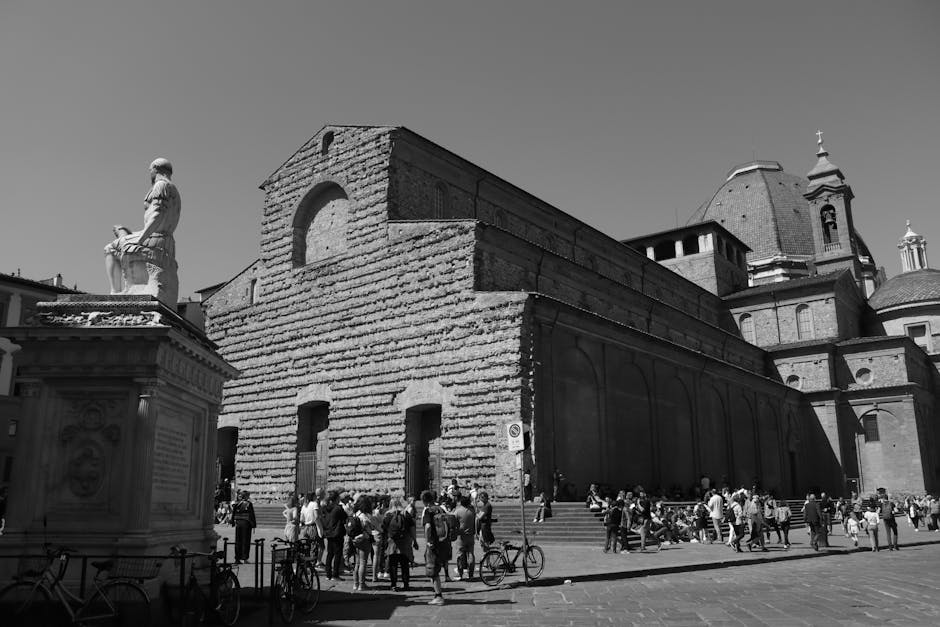






Introduction: turning a museum visit into a creative day in Florence
Florence is more than just an open-air museum where you admire Renaissance genius in climate-controlled rooms: it’s a living laboratory of shapes, colors, materials and flavors that invites you to extend the museum experience with hands-on activities. After gazing at a Pietà or a Botticelli masterpiece, many visitors want to carry that emotion further through a practical craft, a sensory tasting or a photographic exploration. This article maps out practical, playful and artistic activities to do after a museum visit, so the inspiration gathered between two paintings can become a personal, tangible and often unforgettable experience.
Whether you’ve just left the Galleria degli Uffizi, the Galleria dell’Accademia, the Museo Nazionale del Bargello or the Palazzo Vecchio, Florence offers a wide range of options: drawing and watercolor classes in historic studios, leathercraft workshops in the Oltrarno, urban photography sessions at sunrise or sunset, and cooking classes that translate Florentine aesthetics into taste. These activities aren’t just touristy: they build on local know-how handed down through generations and are often run by resident artisans who share stories and techniques.
The approach here is pragmatic and sensory. After a morning at a museum, I suggest short activities (1–3 hours) and more immersive options (half-day), suited to different budgets and interests: sketching a façade, making a travel journal, joining a Tuscan wine tasting, learning gilding as used in old manuscripts, or photographing Florence’s interiors and urban perspectives. Each suggestion includes practical information — name and address, indicative prices in euros, opening hours, an immersive description and local tips to get the most out of the experience.
Before we begin, a few general tips: always check availability and schedules with providers (workshops usually require booking), bring basic materials if requested (paper, pencils, camera), carry a water bottle and a light jacket depending on the season (workshops may be air-conditioned or outdoors), and take time to wander the surrounding neighborhoods to prolong the discovery. Florence is best experienced step by step with small pauses: a coffee on Piazza della Signoria, a gelato after sketching by the Ponte Vecchio, or a spritz in the Oltrarno can be part of a successful creative day.

1) Drawing and watercolor workshops: sketching the Renaissance firsthand
After a visit to the Galleria degli Uffizi (Piazzale degli Uffizi 6, 50122 Firenze), where your eye has been trained on composition, light and color, it’s particularly rewarding to continue the experience through drawing or watercolor. Several studios and schools offer 1.5–3 hour sessions in the historic center or on the Oltrarno bank, allowing you to practice reproducing façades, statues and urban perspectives.
Example workshop: Florence Sketching School (typical fictional example, often represented by local schools). Typical address: Via dei Servi 12, 50122 Firenze. Indicative price: €25–45 for a 2-hour session (materials sometimes included). Usual times: morning sessions 10:00–12:00 or late-afternoon 16:00–18:00. These classes are often bilingual (Italian/English) and welcome all skill levels.
Immersive description: picture yourself sitting on a small folding stool in Piazza della Signoria, in front of Palazzo Vecchio, sketchbook open on your knees. You have before you the building’s heavy, majestic silhouette, the warm afternoon light carving the volumes, and a teacher guiding you to simplify shapes, pick a watercolor palette or master two-point perspective. The sketch becomes an exercise in visual memory: which details do you keep to suggest the building? What single touch of color captures that golden Tuscan light?
Local practical tips:
- Arrive 10–15 minutes early to set up and pick your subject.
- Wear comfortable shoes if the workshop includes a short urban walk.
- If possible, choose a workshop that provides watercolor paper; quality makes a big difference.
- For outdoor sessions, check the weather: in summer opt for early morning or late afternoon to avoid the heat.
 Click here to book your ticket for the Uffizi Gallery

2) Traditional crafts: leather, gilding and mosaics in the Oltrarno
The Oltrarno — literally “the other side of the Arno” — is Florence’s artisan quarter: small shops, traditional workshops and master craftsmen still working with ancient techniques. After a morning at the Museo Nazionale del Bargello (Via del Proconsolo 4, 50122 Firenze), which displays Renaissance sculpture and jewelry, transitioning to a craft workshop feels natural and enriching.
Example address: Scuola del Cuoio – The Leather School (often located in the convent near the church of Santa Croce). Address: Piazza Santa Croce 1, 50122 Firenze. Indicative price: introductory workshop €40–90 (depending on duration and project). Opening hours: workshops generally 09:30–18:00 (check online), sometimes closed for private events. Scuola del Cuoio offers classes to make card holders, belts or simple bags, explaining tools and leather treatments.
For gilding and bookbinding: several small studios offer introductory courses in gold leaf gilding and traditional bookbinding (2–4 hour workshops). Typical address: Via dei Serragli, 34R (Oltrarno). Price: €35–75 per participant. Times: morning and afternoon sessions.
Immersive description: stepping into a leather workshop, you smell the material, the dyes and the faint woodsy scent of tools. The master artisan shows you how to cut, hand-stitch and finish an edge. Under your hands, a leather piece takes shape and becomes a useful object — a coin purse, phone sleeve or bracelet. Gilding requires delicacy: gold leaf is laid like a petal, and the reflected light calls to mind the illuminated manuscripts you saw at the museum.
Local practical tips:
- Book your workshop in advance, especially in high season (May–September).
- Ask whether you can take your creation home the same day or if drying time is needed.
- When buying handmade goods, negotiate politely but remember the price often reflects real labor.
- Bring cash for small workshops; some shops don’t accept cards for minor payments.
Click here to visit the jewelry maker Alessandro Dari’s workshop-museum
3) Cooking classes and tastings: turning art into flavor
Florence offers a full sensory experience: the visual beauty of artworks can be extended by tasting Tuscan flavors. After visiting the Palazzo Vecchio (Piazza della Signoria, 50122 Firenze), where you admire frescoes, state rooms and portraits, what better way to interpret art than sitting down to understand it through taste? Florentine cooking workshops range from fresh pasta and focaccia to olive oil tastings and gelato-making classes.
Example workshop: Tuscany Cooking Class near Mercato Centrale (typical). Address: Via dell’Ariento 46r, 50123 Firenze (near Mercato Centrale). Indicative price: €60–120 per person (2–3 hour workshop with meal included). Times: often 10:30–13:30 or 17:00–20:00. These classes often include a quick market visit to pick ingredients (Mercato Centrale — Piazza del Mercato Centrale 50123 Firenze, market hours roughly 08:00–24:00 depending on shops).
Immersive description: imagine following a Tuscan chef through the fragrant aisles of Mercato Centrale to select heirloom tomatoes, fresh basil, pecorino and extra-virgin olive oil. Back in a warm kitchen, you learn to shape pici by hand (pasta typical of the Sienese countryside) or prepare a rustic pappa al pomodoro. The class ends with a shared meal where flavors tell the story of Tuscan terroirs.
Local practical tips:
- Inform the workshop of any food allergies when booking.
- Choose a class that includes the market visit for a fuller experience.
- For a more traditional meal after the museum, consider osterie like Osteria All’Antico Vinaio (Via dei Neri 65r, 50122 Firenze) for an iconic Tuscan panino (typical price €6–10).
- Gelato workshops sometimes last only an hour and fit perfectly into a free afternoon.
Click here to buy a skip-the-line ticket for Palazzo Vecchio
Click here to taste Tuscan white wine with an aperitivo
4) Urban photography and composition: capturing Florence after the museum
Florence is a playground for photographers: from narrow alleys to panoramic viewpoints and Arno reflections, every angle tells a story. After visiting the Galleria dell’Accademia (Via Ricasoli 58/60, 50122 Firenze) where you’ll have seen Michelangelo’s David and studied sculpture and anatomy, put your eyes to the test and capture the city’s sculptural light and urban motion.
Workshops and photo tours: several local photographers run 2–4 hour workshops, usually in small groups. Example: Florence Photo Walks (typical). Meeting point: Piazza del Duomo, 50122 Firenze. Indicative price: €35–80 depending on duration and guide. Recommended times: sunrise (05:30–08:00 in summer) for soft hues, or late afternoon 17:00–20:00 for warm tones and golden hour.
Immersive description: set off with a photographer guide and start at the Duomo — light carves the marble façade in green, white and pink. Then head through Mercato Nuovo, capture the Loggia del Porcellino and its famous bronze boar, photograph the Oltrarno arcades and the Ponte Vecchio reflections at dusk. Workshops often include practical exercises: urban portrait, architectural composition, depth-of-field control and quick smartphone editing.
Local practical tips:
- Bring a spare battery and an extra memory card — you’ll need them.
- Respect photography rules and the silence in religious sites.
- Try different lenses: a 35mm for street shots, an 85mm for portraits, a 16–35mm for architecture.
- If you shoot with a smartphone, install a RAW-capable app to capture more detail.
Click here to book your skip-the-line ticket for the Accademia
Click here to Ascend Brunelleschi’s Dome for panoramic views
5) Connecting yourself to place: writing workshops, travel journals and bookbinding
Museums often trigger a flow of images and emotions that deserve to be recorded. A writing or bookbinding workshop lets you turn that energy into stories and objects. In Florence, several studios offer creative writing sessions, travel-journal workshops and bookbinding classes to create a unique notebook that will hold sketches, tickets and impressions.
Typical address: La Bottega della Carta (paper-and-book workshop). Address: Via dei Calzaiuoli 10r, 50122 Firenze. Indicative price: €30–70 per workshop (1.5–3 hours). Times: afternoon sessions 14:30–17:30 or morning classes. These workshops combine simple binding techniques (stitching, gluing, attaching covers) with guided writing exercises.
Immersive description: sit down in a small studio filled with the smell of paper and glue, surrounded by shelves of colored papers and old stamps. The instructor offers prompts inspired by museum works: describe the texture of a marble, write an imaginary letter from a character in a painting, note the changing light on a square. Then you bind your pages, personalize the cover and leave with a unique journal — a tangible memory of your day.
Local practical tips:
- Bring your museum tickets and a few tram or bus receipts — they make perfect inserts for a journal.
- If you want a high-quality notebook, ask whether the workshop uses textured paper and hard covers.
- These workshops are ideal for travelers who want a non-commercial, handmade souvenir.
- For a longer experience, combine the writing workshop with sunset time on Piazzale Michelangelo (Viale Galileo) for a panoramic view over Florence.
Practical info and suggested routes
To get the most out of a creative afternoon after a museum, here are two sample itineraries:
- Short route (3 hours): Uffizi morning → 90-minute sketch session on Piazza della Signoria → artisanal gelato → quick bookbinding workshop near the Duomo.
- Immersive route (6 hours): Accademia morning → lunch at Mercato Centrale → 3-hour cooking class + wine tasting → photo walk at sunset toward Ponte Vecchio and Piazzale Michelangelo.
Key points to remember:
- Book workshops in advance during busy months (April–October).
- Check official museum hours: most open early in the morning and close in the late afternoon; some are closed on Mondays.
- Be prepared to walk: the historic center is mainly pedestrian and cobbled; comfortable shoes are a must.
Conclusion: keeping the museum feeling alive in Florence
Florence offers a rare synergy between heritage and practice: each museum provides a visual and emotional palette you can extend and reinvent through a creative activity. Whether it’s sketching a quick watercolor in front of Palazzo Vecchio, crafting a leather coin purse in an Oltrarno workshop, capturing the Duomo’s changing light in a photograph or binding a journal that will bear witness to your visit, there are plenty of options for every pace. The important thing is to let the museum experience infuse your actions — choose a color, cut a piece of leather, taste a dish — so art is not only admired but lived.
Practically speaking, always allow a little buffer between leaving a museum and the start of a workshop (to walk, eat or settle in). Check prices and opening hours; although I’ve listed typical costs and addresses in this article, fees and times can change with the seasons and operators’ decisions. For the iconic museums, here’s a reminder of the addresses to know: Galleria degli Uffizi — Piazzale degli Uffizi 6, 50122 Firenze; Galleria dell’Accademia — Via Ricasoli 58/60, 50122 Firenze; Museo Nazionale del Bargello — Via del Proconsolo 4, 50122 Firenze; Palazzo Vecchio — Piazza della Signoria, 50122 Firenze. Entry prices typically range between €8 and €20 depending on the museum and season, and booking online is often recommended to avoid queues.
One last tip: leave room for the unexpected. Some of the most memorable encounters in Florence happen off the formal itinerary — a chat with an artisan who shares the story of their craft, a gelato offered by a shop owner, or a sunset that completely changes how you see a façade. These moments, captured in a notebook, a photo or an object you’ve made with your hands, are the richest souvenirs you’ll bring home from Florence. Take the time to enjoy the shift from contemplation to creation — that’s where the Renaissance spirit still lives.