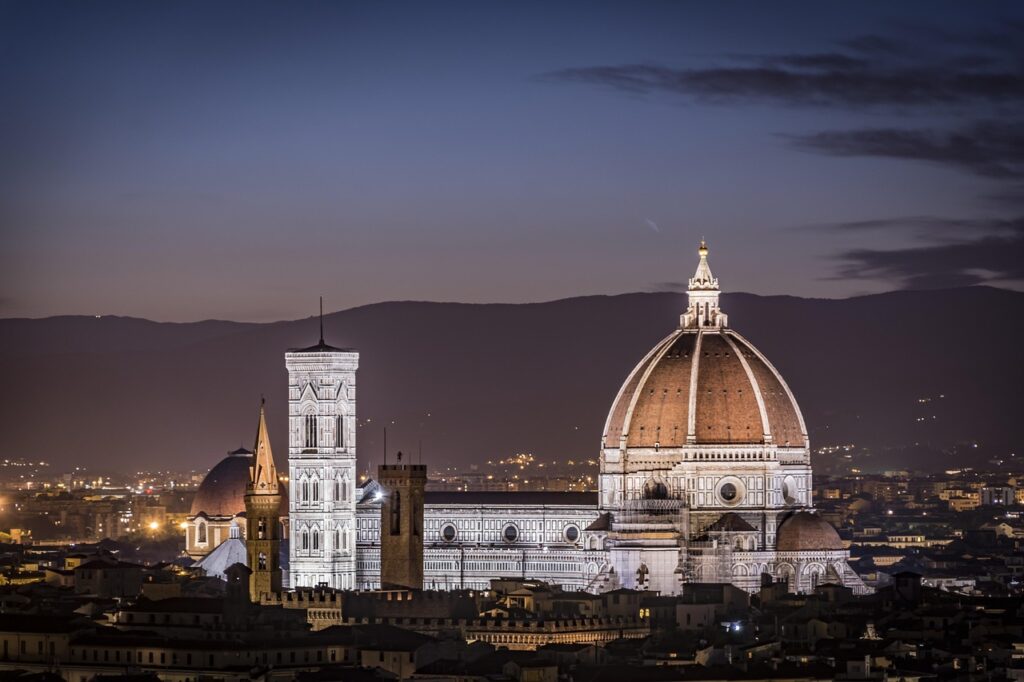






Introduction: Florence, a cradle of a living contemporary scene
Florence isn’t just the city of Renaissance masterpieces — it’s also a living lab where contemporary dance finds surprising resonances. Between baroque palazzi, cobbled squares and historic gardens, contemporary dance festivals take on a special dimension: intimate shows in century-old theaters, outdoor performances staged against millennia-old facades, and experimental evenings in repurposed industrial spaces. For the curious traveler, attending a dance festival in Florence means mixing heritage with artistic experimentation, and witnessing how movement converses with history, architecture and the urban fabric.
These festivals draw both local companies — often born out of schools like the Conservatorio di Musica Luigi Cherubini or the Accademia di Danza — and international artists exploring current choreographic languages. Venues vary widely: the Teatro della Pergola (Via della Pergola 12, 50121 Firenze), the Fortezza da Basso exhibition complex (Piazza Adua, 50123 Firenze), the Stazione Leopolda repurposed as a creative hub, as well as gardens like the Giardino di Boboli (Piazza Pitti 1R, 50125 Firenze) or public squares such as Piazza della Signoria. Each setting creates a specific atmosphere shaping the staging, the acoustics and, ultimately, the audience’s experience.
 Click here to book your ticket to see Michelangelo’s David
<img width="1024" height="768" src="http://florence.ue.is/wp-content/uploads/sites/5/2026/06/ponte-vecchio-golden-sunset-reflection-1024×768.jpg" class="aligncenter" alt="Ponte Vecchio in Florence reflecting on the Arno River at sunset » loading= »lazy » />
In a city where footsteps echo on centuries-old stones, festival programs stretch over several days, mixing performances, workshops, industry talks and live art. Prices are often affordable: around €10 for morning sessions or emerging works, up to €30–40 for major pieces or opening nights. Organizers usually offer discounted options for students and residents, plus multi-show passes. Timings vary: some shows start at 6:30pm or 8:30pm, while site-specific pieces can appear at sunrise or sunset — prime moments to see Florence bathed in theatrical light.
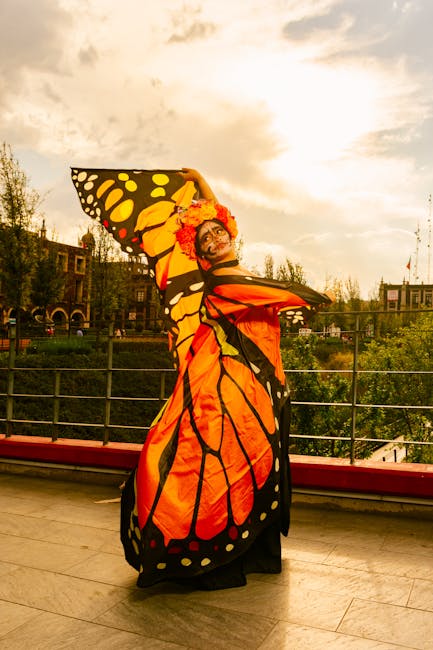
This guide walks you through the can’t-miss events, the hosting venues, typical prices, usual schedules and practical tips to make the most of your visit: transport, bookings, where to eat and local tricks to skip queues and experience performances like a Florentine. Whether you’re an informed audience member, a dancer in residence or a curious participant eyeing a masterclass, Florence offers festivals that pair artistic rigor with a warm atmosphere.
Historic theaters and programming: Teatro della Pergola and Teatro del Maggio
The Teatro della Pergola, located at Via della Pergola 12, 50121 Firenze, is one of Italy’s oldest theaters still in use. Built in the 17th century, the house preserves sculpted boxes, warm acoustics and an intimate vibe ideal for contemporary dance that seeks proximity. The box office typically serves visitors Tuesday to Saturday, 10:30am–1:00pm and 4:30pm–7:30pm; festival show prices usually range from €15 to €40, with discounts for under-26s and season-pass holders. For special productions, the stage can host works that play with depth and lighting.
The Teatro del Maggio Musicale Fiorentino, at Piazza Vittorio Gui 1, 50144 Firenze, is another key address. Best known for opera and symphonic music, it’s also a crossroads for contemporary dance, especially during crossover seasons and festivals. The box office hours are often Monday to Friday, 10:00am–6:00pm; tickets range from €20 to €60 depending on category and event. The large stage enables ambitious productions, sometimes with orchestra and multimedia setups. Shows here take on a scale that contrasts with the smaller pieces presented elsewhere in the city.
Practical tips: arrive 30–45 minutes early to find your box or seat easily, especially on opening nights. Book online in advance — many festivals release limited discounted tickets. If you want a backstage look, ask at the box office about guided tours; some “open studio” days let you meet choreographers and dancers after the show.
Click here to book tickets for an Italian opera concert
Alternative spaces: Stazione Leopolda, Fortezza da Basso and pop-up venues
The Stazione Leopolda, a former train station turned exhibition and performance venue, has become a favorite site for contemporary events. Address: often listed as Stazione Leopolda, Viale Filippo Strozzi or Viale Fratelli Rosselli depending on the entrance; check the festival directions to be sure. The wide, raw spaces are perfect for immersive installations and multimedia performances. Entry for festival evenings typically ranges from €10 to €25; event hours vary widely, but exhibitions commonly open from 10:00am to 10:00pm during major festivals.
The Fortezza da Basso (Piazza Adua, 50123 Firenze) is a major fair and festival site; its halls and outdoor courtyards are often transformed into stages for dance. Large events use the modular spaces to host performances, discussions and residencies. Access and hours depend on the festival schedule; a standard entry during a secondary event is around €12 to €30.
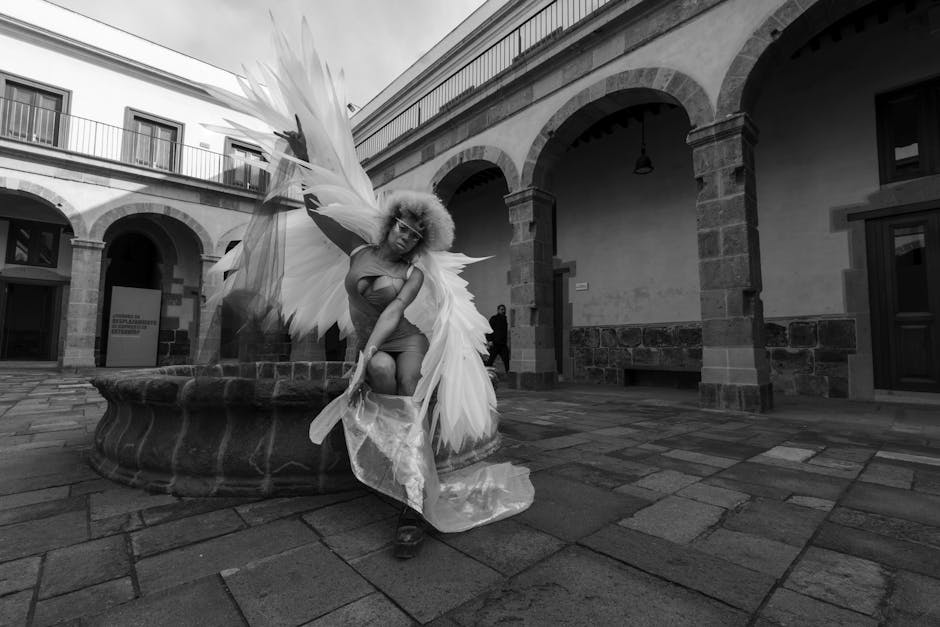
Florence is also full of pop-up venues: artist studios, palazzo porticoes, Santissima Annunziata workshops and industrial leftovers. These sites, sometimes announced only days in advance in the programs, offer a direct relationship between the audience and the creative team. Local tip: follow festival and venue social pages for “pop-up show” announcements and last-minute tickets. Bring comfortable shoes — you’ll often walk between historical spots — and a small torch or warm layer if a performance is in an unheated space at night.
Outdoor performances: Boboli, Piazza della Signoria and the Arno banks
Festivals readily use Florence’s outdoor sites to create visually striking performances. The Giardino di Boboli (Piazza Pitti 1R, 50125 Firenze), with its terraces, statues and groves, sometimes serves as a stage for pieces that play with perspective and nature. The garden’s hours are usually 8:15am–4:30pm in low season and up to 7:00pm in summer, with park entry around €10 to €15; during a festival, access to performances may be included or require an extra fee.
The Piazza della Signoria (50122 Firenze) and the banks of the Arno, notably around the Ponte Vecchio (Ponte Vecchio, 50125 Firenze), offer public backdrops where contemporary dance can face the city’s bustle. Outdoor shows are often free or based on voluntary contributions, but some installations require reservations when space is limited. The most magical time slots for these performances are sunrise and sunset: the golden light transforms costumes and sets and the city becomes a stage naturally.
Practical tips: arrive early to pick a good spot (seated or standing depending on the setup). Pack a water bottle, a small blanket or a jacket for cool evenings and check the weather: outdoor performances may be canceled or rescheduled if it rains. Photographers, please respect photo rules — many artists ask you to avoid flash and to limit movement during pieces.
Click here to book entry to Palazzo Pitti and Boboli Gardens
Prices, bookings and practical tips for a successful visit
Contemporary dance festivals in Florence usually offer multiple price tiers: reduced sessions, full-price tickets, multi-day passes and professional invitations. Here’s a practical rundown to plan your visit:
- Standard ticket: typically between €10 and €40 depending on the size of the show and the venue.
- Festival pass: from €40 to €120 for several days — ideal if you plan to see multiple pieces.
- Discounts: students, seniors and theater subscribers can get -20% to -50%; check conditions on the festival’s official site.
- Workshops and masterclasses: between €20 and €80, sometimes more for intensive courses.
Booking: favor online box offices (festival site or theater ticketing) to secure the best seats. For small formats and street actions, follow organizers on Instagram and Facebook: “door sale” and “last minute” announcements are common. To reach venues, the Tramvia T1/T2 serves Santa Maria Novella and outer neighborhoods; ATAF buses cover routes to Fortezza da Basso and Leopolda. Expect around €1.50 for a single urban ticket valid 90 minutes (indicative), and remember to renew if your trip exceeds the ticket validity.
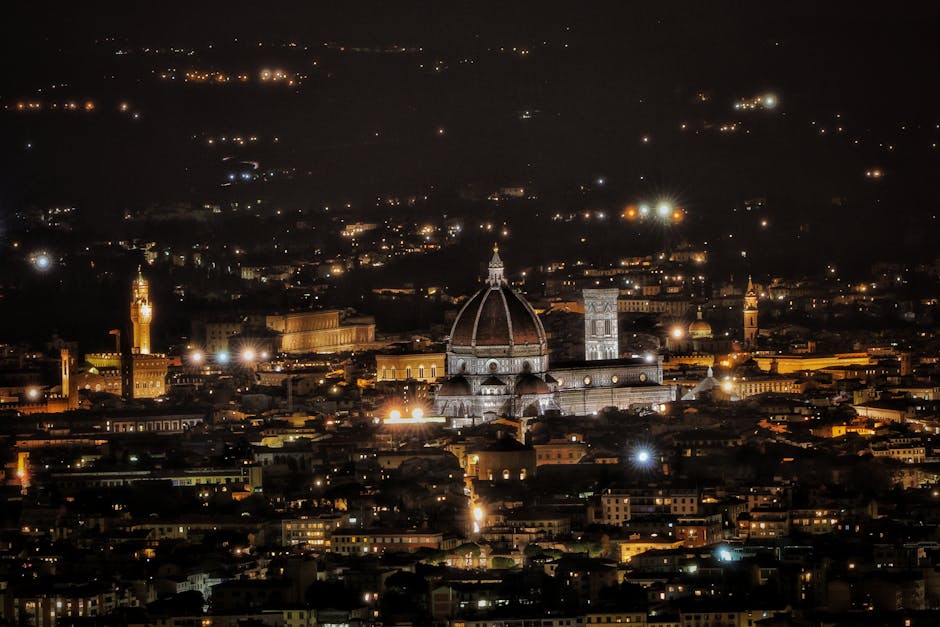
Transport tip: most main venues are in the historic center, often walkable if you’re staying near the Duomo or Santa Maria Novella. For luggage or late-night trips, use official taxis (ranks near Santa Maria Novella station) or shared mobility services. For a full immersion, pair a show with dinner at a local osteria: simple Tuscan dishes like ribollita or bistecca alla fiorentina add a delicious context to your cultural night.
Click here to reserve a ticket to climb Brunelleschi’s Dome
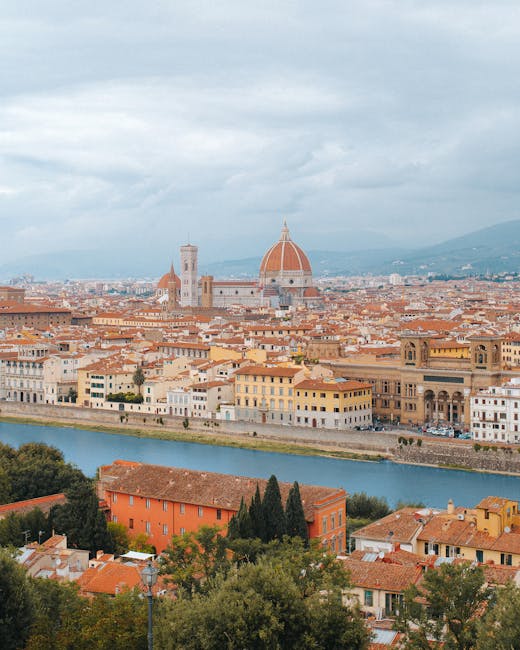
Meetings, residencies and local engagement
Contemporary dance festivals in Florence go beyond the stage: they often include workshops, labs and artist residencies. These setups promote exchange between the public, local schools and international choreographers. Many events partner with institutions like the Conservatorio di Musica Luigi Cherubini (Piazza Luigi Cherubini, 9, 50121 Firenze) or the Accademia di Belle Arti di Firenze (Piazza San Marco 4, 50121 Firenze), which sometimes open their studios to the public for commented rehearsals.
Joining a masterclass or roundtable is a great way to deepen your understanding: these sessions are usually listed in the festival program and can cost between €20 and €80. For professionals, there are often press passes or accreditations granting access to pro sessions and networking events. Tip: if you want to join a residency or pitch a project, prepare a concise portfolio (CV, videos, teaching excerpts) and contact coordinators several months in advance.
Conclusion: experiencing contemporary dance in Florence — a multisensory journey
Attending contemporary dance festivals in Florence means letting the city shape how you perceive movement. Historic venues — Teatro della Pergola (Via della Pergola 12, 50121 Firenze), Teatro del Maggio Musicale Fiorentino (Piazza Vittorio Gui 1, 50144 Firenze), Stazione Leopolda and Fortezza da Basso (Piazza Adua, 50123 Firenze) — become creative partners. Prices remain reasonable by European standards, and schedules vary by format: evening shows, sunset performances and morning workshops. To get the most out of this cultural offering, book in advance, follow announcements for ephemeral shows and pair artistic outings with walks through the neighborhoods that have inspired artists for centuries.
The city also provides a wealth of practical options: tram and bus transport, many accommodations in the historic center, and a generous, straightforward cuisine to round off your nights. If you’re a professional, reach out to local organizations for collaborations or residencies; if you’re an audience member, be open to hybrid formats and unusual locations. Finally, respect artists’ requests (limited photos, maintaining silence) to preserve the intensity of performances. Florence, with its history and its ability to reinvent spaces, promises contemporary dance festivals that linger in the memory — experiences where technique meets emotion, and each show becomes an exploration of the interplay between movement, place and light.