





Introduction
Florence, the cradle of the Renaissance, is a city where sacred art unfolds in every stone, chapel and fresco. For travelers fascinated by liturgical art, the Tuscan capital offers unmatched riches: from the Byzantine mosaics of the Baptistery of San Giovanni to Fra Angelico’s theological compositions at the Museo di San Marco, through the colorful altarpieces in the Galleria degli Uffizi and the spiritual sculptures in the Galleria dell’Accademia. Taking a specialized guided tour focused on Florence’s sacred art lets you not only admire masterpieces but also understand the liturgical, theological and political context that produced them.
Guided tours for sacred art enthusiasts are designed to go beyond mere visual appreciation. They place works back into their original function — objects of worship, teaching tools, reliquaries and instruments of power. A good guide will illuminate the rituals tied to each site: Duomo processions, convent services, the role of lay confraternities and how patronage by families such as the Medici shaped Florence’s visual spirituality. With specialist guides — art historians, theologians and curators — you’ll hear explanations about color symbolism, iconographic language, and artistic techniques used (tempera, mosaic ornamentation, fresco painting, polychrome marble).
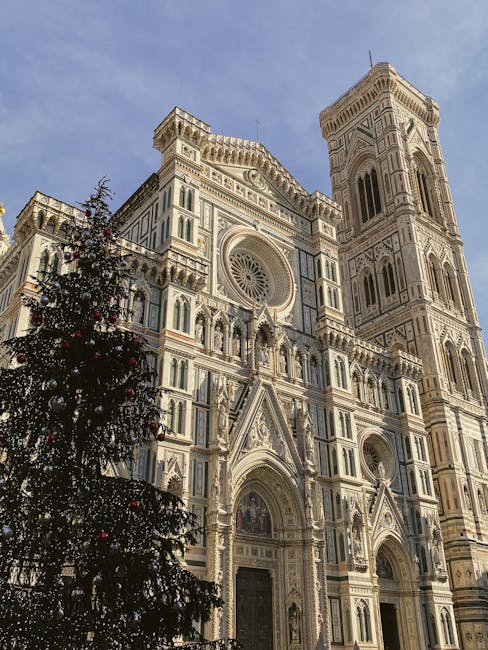
This comprehensive guide to guided tours for sacred art lovers in Florence gives you suggested routes, practical information (exact addresses, prices in euros, opening hours), tips to optimize your visits (best times, skip-the-line tickets, dress code), and recommendations on choosing a guide based on your interests (restoration, theology, liturgical architecture). Whether you want to explore the Cathedral of Santa Maria del Fiore and Brunelleschi’s dome, decode the golden mosaics of the Baptistery of San Giovanni, delve into the contemplative monastic cells at the National Museum of San Marco, or study the tombs in the Medici Chapels, this guide will walk you through a deep immersion in Florentine sacred art.
Guided tours can be walking tours, small-group or private, and thematic: « Marian Iconography in Florence », « Funerary Sculpture and Devotion », or « Painted Liturgy: Fresco Cycles and Reconstructed Offices. » Many include archival readings, scale models and sometimes privileged access to areas normally closed to the public (synthesi, sacristies, crypts). Always bring sturdy shoes, dress respectfully for church visits, and keep an active curiosity: sacred art is a dialogue between the work, the place and the visitor.
Galleria degli Uffizi and Sacred Art: Addresses, Key Works and Specialized Guided Tours
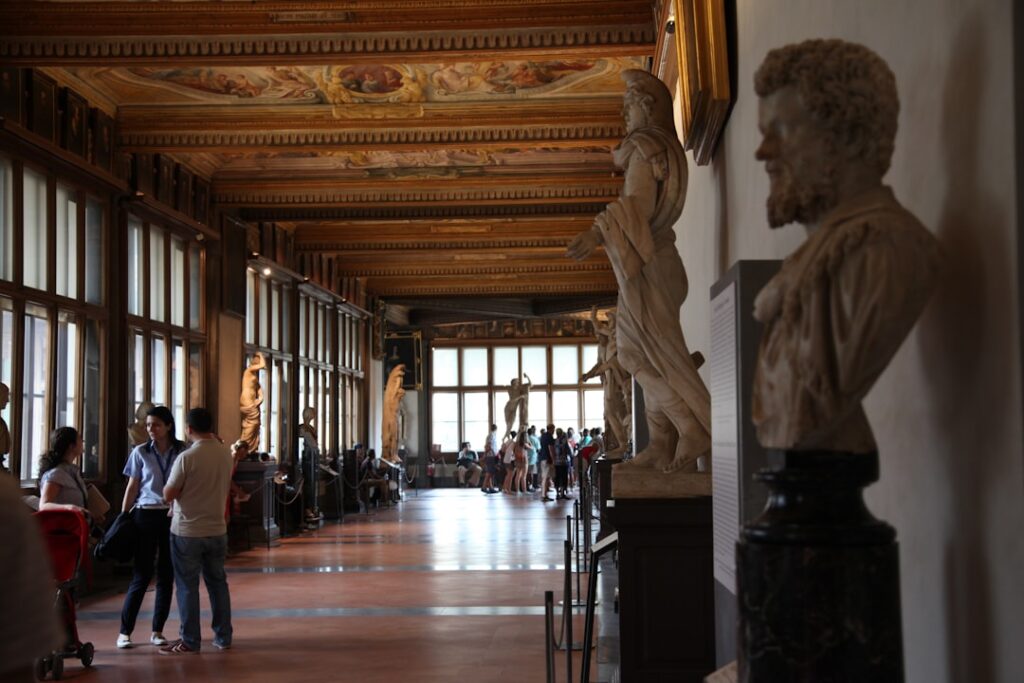
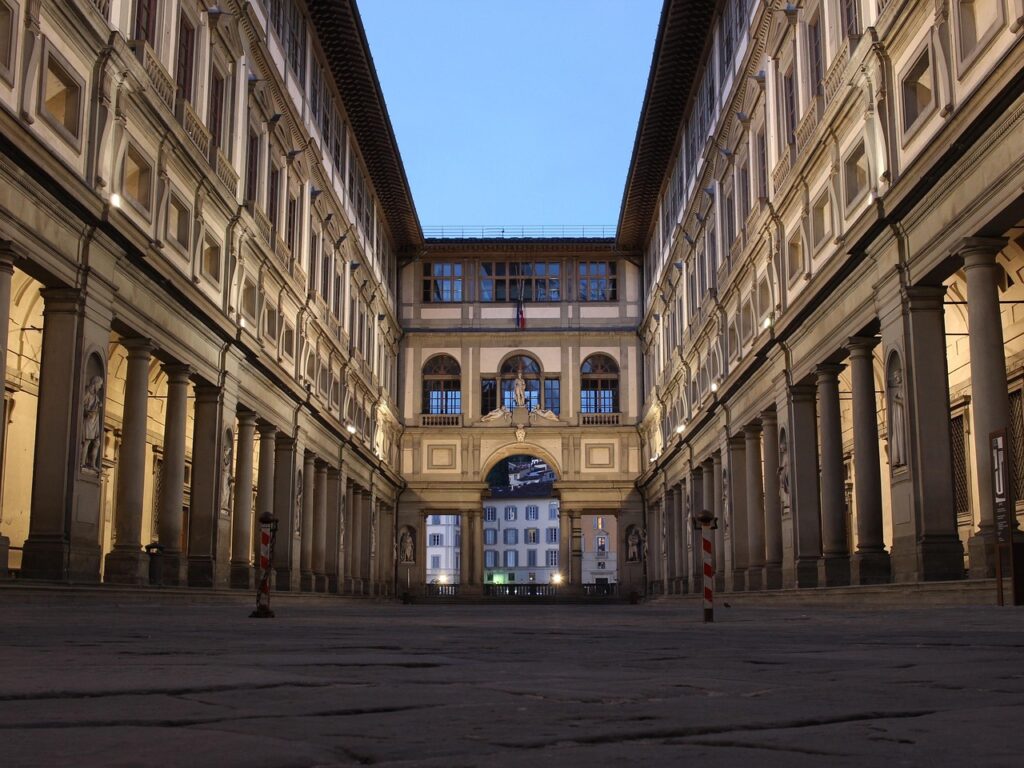
The Galleria degli Uffizi is a must for anyone interested in sacred art in Florence. Located at Via della Ninna, 5, 50122 Firenze, it houses a wealth of key religious works, from Giotto to Botticelli, and on to Raphael and Caravaggio. A highlight for the sacred art enthusiast is the series of altarpieces and panel paintings — for example, Sandro Botticelli’s « Adoration of the Magi » or Paolo Uccello’s « The Birth of Saint John the Baptist » — which show how biblical and hagiographic iconography evolved over time.
Prices and opening hours:
- Price: Standard ticket around €20 (online rates vary by season). Discounts for EU youth aged 18–25, free entry for children under 6; expect online booking fees.
- Opening hours: Typically Tuesday to Sunday 8:15 AM – 6:50 PM, closed on Mondays; times may change during temporary exhibitions.
Specialized sacred-art tours at the Uffizi often focus on:
- Iconographic analysis of Gospel episodes depicted in paintings;
- The liturgical role of altarpieces and their movement between churches and private collections;
- The impact of the Council of Trent on religious imagery and the Catholic Reformation;
- Sacred painting techniques: panel preparation, the use of gold leaf, perspective and sacred spatiality.
Practical tips: Book tickets in advance by reserving an official or private guided tour to avoid lines — morning slots are often less crowded. If your interest is strictly sacred art, ask the guide to focus on liturgical works rather than portraits or landscapes. Also note that photography may be restricted in some rooms; check before using flash.
 Click here to book timed entry to the Uffizi with audio guide
Cathedral of Santa Maria del Fiore, Baptistery of San Giovanni and the Liturgical Experience
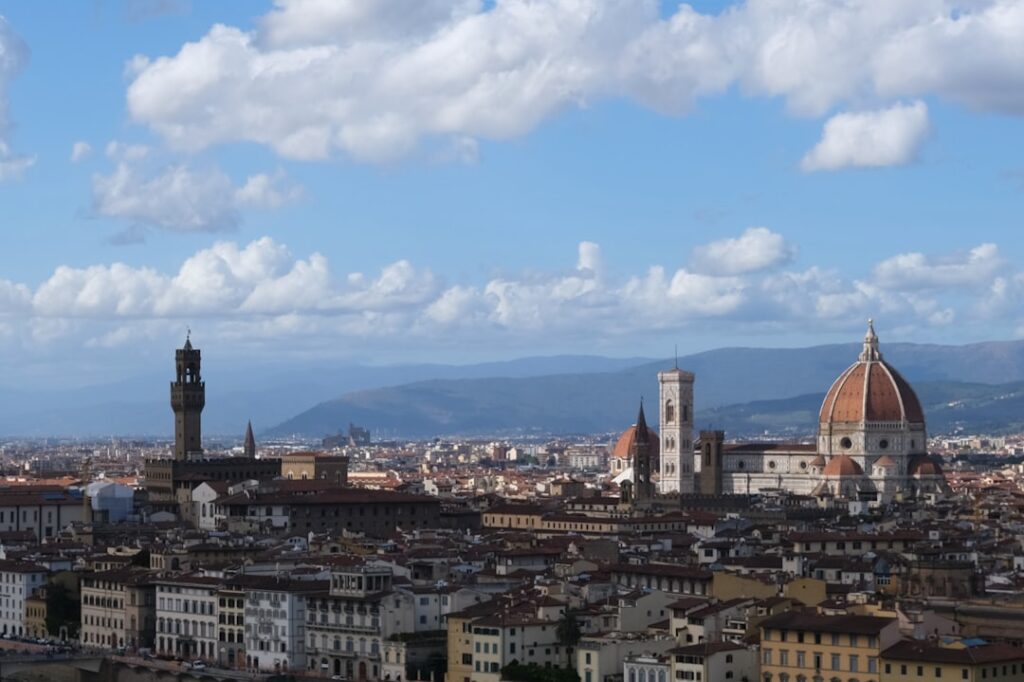
The Cathedral of Santa Maria del Fiore (Piazza del Duomo, 50122 Firenze) and the Baptistery of San Giovanni (Piazza San Giovanni, 50122 Firenze) form a central architectural and liturgical ensemble in Florence. The cathedral, with its polychrome marble façade and Brunelleschi’s dome, is more than a monument: it’s a sacred memory space where theology is read through architecture. The Baptistery, decorated with golden mosaics — notably the « Stories of Christ » and the Last Judgment — is essential for understanding baptismal and eschatological iconography.
Prices and practicalities:
- Duomo Complex Ticket (including the Cathedral, Dome, Opera del Duomo Museum, Giotto’s Bell Tower and the Baptistery): around €20 for a combined entry (indicative price).
- Opening hours: The cathedral’s opening hours vary according to liturgical celebrations; generally 10:00 AM – 5:00 PM for tourist visits, but closures for services are possible (check the official site). The Baptistery and the Opera del Duomo Museum often open 9:00 AM – 7:00 PM, depending on season.
Recommended guided visits: look for a guide who addresses medieval liturgy and Christian symbolism. A typical tour explains:
- The Baptistery’s iconographic program: how the mosaics narrate salvation and eschatology;
- The theological meaning of the cathedral’s architectural elements: orientation, light, and liturgical space;
- The spiritual engineering behind the dome: Brunelleschi and the glorification of the city through divine magnificence.
Practical tips: Arrive early to avoid crowds and to enjoy flattering interior light on the Baptistery’s golden mosaics. Respect the dress codes for religious sites (shoulders and knees covered). If you want to climb Brunelleschi’s Dome, be prepared physically (approximately 463 steps) and reserve a time slot; access is limited and often booked quickly. Also combine a visit to the Opera del Duomo Museum to see original liturgical sculptures removed from churches and exhibited for conservation reasons.
Click here to book your ascent to Brunelleschi’s Dome and Duomo
Galleria dell’Accademia, Medici Chapels and Liturgical Sculpture
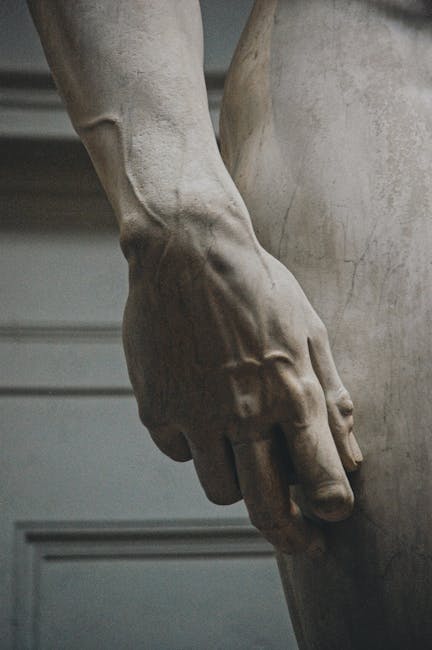
For the sacred art enthusiast, the Galleria dell’Accademia (Via Ricasoli, 58/60, 50122 Firenze) offers a chance to study religious sculpture up close. Of course, Michelangelo’s David grabs attention, but the collection also includes devotional works and models used for tombs and altars. Nearby, the Medici Chapels (Piazza Madonna degli Aldobrandini, 6, 50123 Firenze) reveal richly decorated funerary monuments, mixing sacred themes and dynastic power.
Click here to book a skip-the-line guided visit to Accademia
Prices and opening hours:
- Galleria dell’Accademia: Standard ticket around €12 (indicative), typical hours 8:15 AM – 6:50 PM, closed on some public holidays; booking recommended.
- Medici Chapels: Standard ticket around €9–€12, hours 8:15 AM – 7:00 PM depending on season; closed on certain days, check the official calendar.
Approaches to visiting: To fully appreciate the sacred art here, focus on the material craftsmanship and the funerary function of the sculptures. The Medici tombs, designed by Michelangelo and his followers, blend Christian iconography and dynastic symbolism: allegories of the Virtues, patron saints and Latin inscriptions. A specialized guided tour will help decode these symbols and place each work within the period’s Catholic funeral rites.
Practical tips: Pair a guided Accademia visit with a session on conservation: many sculptures have been restored, and understanding interventions helps reconstruct the original liturgical look. For the Medici Chapels, ask about access to the sanctuary and whether timed-entry tickets are needed: group sizes are limited to preserve the site’s solemnity. Finally, combine these visits with a stop at a lesser-known nearby church (for example, the Church of San Lorenzo) to see altars still used for devotion.
National Museum of San Marco and Monastic Spirituality in Paint
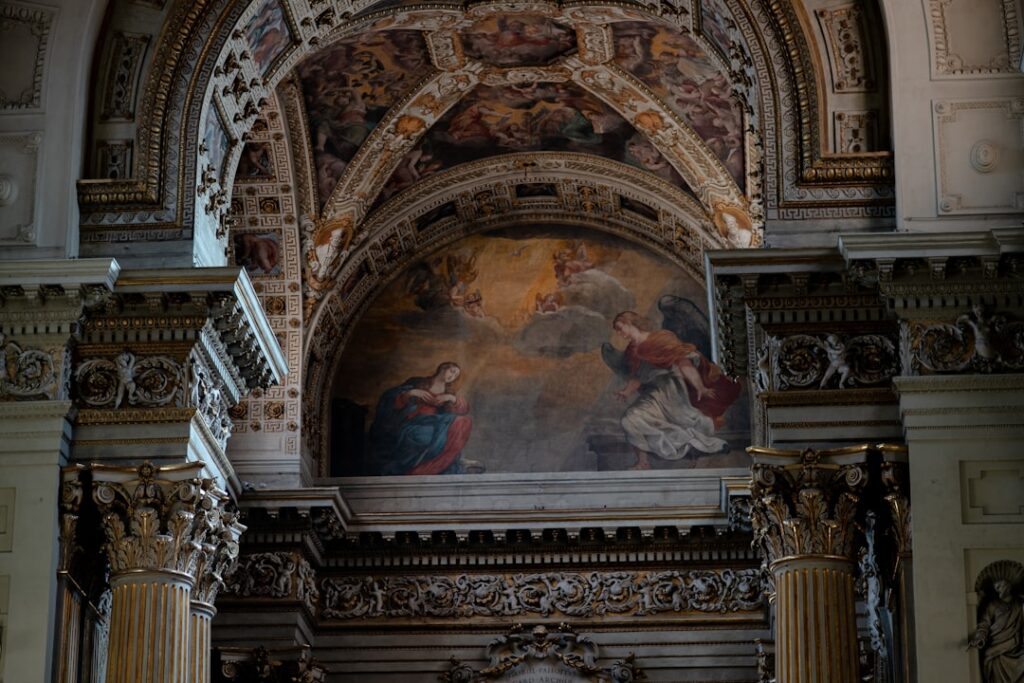
The National Museum of San Marco (Piazza San Marco, 1, 50121 Firenze) is essential for understanding the contemplative expression of sacred art. Housed in a former Dominican convent, it preserves an exceptional ensemble of Fra Angelico frescoes painted for cells, cloisters and the chapter house. These paintings are not just art: they served as meditation aids for the friars. The cycles depict Gospel scenes in a sober, luminous style that supports contemplative prayer.
Prices and opening hours:
- Price: Standard ticket around €6–€8 (indicative), with possible discounts;
- Opening hours: Typically 8:15 AM – 1:50 PM for some areas, and 8:15 AM – 7:00 PM for main museum spaces; exact times should be checked online.
Why visit with a guide: A guide specialized in sacred art will explain how monastic cells were designed to support personal devotion — the placement of frescoes, small scale, use of color and narrative composition. It’s fascinating to learn how a friar could « read » a painting like a spiritual text, using iconographic details to structure daily meditation.
Practical tips: The visit is particularly intimate and rewarding in a small-group or private setting. Arrive mid-morning to avoid school groups and tourist crowds. Visiting the convent library to see illuminated manuscripts is also recommended; these are often shown on request as part of a specialized guided tour. Finally, respect the quiet of the site: San Marco remains a place of contemplation and discretion is required.
Thematic Routes, Which Guides to Favor and Logistical Tips
To get the most out of exploring Florence’s sacred art, plan thematic routes. Here are three suggestions:
- « Marian Devotion » Route: Baptistery of San Giovanni (marian mosaics), Santa Maria del Fiore (chapels dedicated to the Virgin), Galleria degli Uffizi (marian altarpieces). This circuit highlights the development of Marian iconography from the Middle Ages to the 16th century.
- « Monastic Contemplation » Route: Museo di San Marco (Fra Angelico), Basilica of Santa Maria Novella (cloister and frescoes), Convent of San Marco (cells and libraries). Perfect for understanding monastic spiritual life and art produced for prayer.
- « Funerary and Dynastic Art » Route: Medici Chapels, Basilica of San Lorenzo (Brunelleschi’s sacristy), Opera del Duomo Museum (tombs and relocated sculptures). Explore the relationship between political power and funerary devotion.
Choosing a guide: favor guides whose background matches your interest:
- Art historian for technical and stylistic analyses;
- Theologian or church historian for liturgical meaning and symbolism;
- Curator or restorer to understand material interventions and conservation of sacred works.
Local guide associations and specialized agencies offer thematic tours and workshops that sometimes include archival readings or iconography workshops.
Logistical tips:
- Book combined tickets (e.g., Duomo Complex) online to save time;
- Check closures for religious services: cathedrals and basilicas have variable opening hours;
- Respect the dress code: shoulders and knees covered in churches;
- Prefer morning time slots for the light and a more contemplative atmosphere;
- If you take photos, find out which areas prohibit photography or require no flash;
- For in-depth visits, schedule breaks: museums and churches demand sustained attention, and a coffee break in a local bar helps digest the information.
Click here to book entry to Santa Maria Novella with audioguide
Click here to reserve entry to the Medici Chapels
Conclusion
Florence is a living laboratory of sacred art: every church, museum and chapel tells a story of faith, aesthetics and power. For the sacred art enthusiast, specialized guided tours are essential to turn contemplation into understanding. They let you enter the masters’ logic, grasp the ritual function of images and objects, and reconstruct the religious experience of the past. Following a thematic route — whether focused on the Virgin, monastic spirituality or funerary art — brings greater depth and intellectual enjoyment.
Practically speaking, plan ahead: book tickets for major sites (Galleria degli Uffizi, Galleria dell’Accademia, Duomo Complex), choose a guide whose specialty matches your interests, and respect the codes of places of worship. Florence should be visited with the senses; the play of light in the Baptistery, the contemplative sobriety of the San Marco cells, and the spiritual monumentality of Brunelleschi’s dome are experiences to savor slowly. Finally, remember that sacred art remains a living practice: some churches still hold services, and attending a Mass or prayer can complement academic understanding with a lived experience.
In sum: take the time to prepare your trip, favor specialized guided tours, and let yourself be guided not only by beauty but by the deeper meaning of these works. Florence will then offer you not just memorable images, but a lasting understanding of how art and faith shaped European culture for centuries.