





Introduction
Florence is not just the cradle of the Italian Renaissance; for centuries it has also been a living hub of traditional crafts—leatherwork above all. Wandering its narrow streets you’ll smell tanned leather mingled with espresso, spot workshops where artisans handle hides with precise, inherited gestures, and discover one-off pieces whose quality explains the international renown of Florentine leather. Learning leatherwork in Florence isn’t just about picking up a technical skill: it’s stepping into a local culture, understanding traditions, meeting master craftspeople, and leaving with a handmade object full of history.
In this post I’ve put together a practical guide to help you choose a workshop, book a class, understand prices, find your way around the city and make the most of your hands-on experience. You’ll find practical details (exact addresses, opening hours, price ranges in euros), immersive descriptions of the places, local tips and recommendations to extend the experience—like visiting the Cattedrale di Santa Maria del Fiore or the Basilica di Santa Croce after your session to round out your historical visit.
Workshops vary widely: some offer short 2–3 hour sessions where you make a card holder or coin purse, others run multi-day intensive courses covering cutting, stitching, dyeing and assembling a satchel. Prices reflect that diversity, and it’s useful to know what’s included: materials, leather, tools, instruction in English or Italian, and sometimes even lunch or a tour of a tannery. This guide aims to point you to the best addresses in Florence, describe the atmosphere at each place, explain how to book and give local tips so you can enjoy your stay to the fullest.
 Click here to climb Brunelleschi’s Dome and the Duomo

Whether you’re a complete beginner or an experienced maker, this overview of Florence’s best leather workshops will help you pick the one that fits your goals—whether you want a memorable tourist experience, a professional-grade workshop to kickstart a business, or a deeper creative stay in the Oltrarno, the artisans’ quarter. Follow the guide: we’ll start with the classic must-do, the Scuola del Cuoio located in the Santa Croce convent.
Scuola del Cuoio — Santa Croce Convent
The Scuola del Cuoio, often cited as the benchmark in Florence for learning leatherwork, is housed within the historic setting of the Basilica di Santa Croce. The exact address is: Piazza di Santa Croce, 1, 50122 Firenze FI, Italy. The workshop is in an annex of the convent and offers an immersive experience: you enter through a lively courtyard, browse displayed bags and items, and take a seat around a large wooden table under vaulted ceilings where master artisans teach traditional techniques.

Hours and prices (indicative): the convent’s gallery/shop is usually open from 9:30 AM to 5:30 PM (hours can vary with religious services). Scuola del Cuoio offers different formats:
- Intro workshop (2–3 hours): make a card holder or coin purse — roughly €70 to €120 per person, leather and tools included.
- Half-day class: a more elaborate project (small document holder) — around €150 to €200.
- Multi-day program: in-depth training covering cutting, hand-stitching, assembly and finishing — starting around €350 and up depending on length and materials.
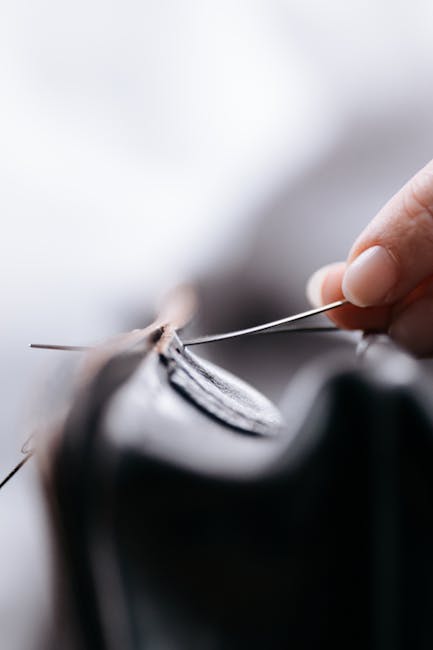
Teaching is very traditional: you’ll learn to identify different types of leather, cut a pattern, prepare edges, saddle-stitch by hand, and finish with oils and waxes. Instructors—usually long-practicing local artisans—work alongside you and correct your technique. The atmosphere is studious but welcoming, and the monastic setting adds a historical dimension to the learning.
Practical tips:
- Book in advance, especially in high season (April–October); spots fill up fast.
- Ask whether classes are in English or if an interpreter is available—many sessions are bilingual, but it’s best to confirm.
- Wear a layer that covers your arms: glue or dye splashes can happen, and long sleeves are useful for some operations.
- Scuola del Cuoio is a stone’s throw from the Basilica di Santa Croce, so you can follow up your workshop with a cultural visit.
Click here to book a skip-the-line Accademia gallery visit
Workshops and Artisan Shops in the Oltrarno — the Masters’ Quarter
The Oltrarno, literally “the other bank” of the Arno, is the neighborhood of workshops and artisans. Between Via Maggio, Via dei Serragli and Santo Spirito you’ll find small shops where production is visible from the street: belts, bags, repaired shoes and bespoke pieces. Unlike large schools, these small ateliers often offer private sessions or masterclasses where the contact with the artisan is direct and the knowledge is passed on in a highly personalized way.
Typical experiences in the Oltrarno include:
- Private half-day workshop: learn to attach a strap, punch holes and stitch a card holder — prices usually between €80 and €140 per person, depending on the workshop and leather used.
- Repair and customization sessions: bring an item to restore or personalize; cost depends on the work (from €30 for a simple repair to several hundred euros for full restoration).
- Evening workshops: handy if your days are busy; 2–3 hour duration, price similar to introductory workshops.
Address pointers: Oltrarno doesn’t have a single address but several points of interest nearby:
- Piazza Santo Spirito — a lively square hosting several small workshops (general location: Piazza Santo Spirito, 50125 Firenze).
- Via Maggio and Via dei Serragli — recommended streets for a workshop-hopping stroll.
Click here to visit the Alessandro Dari jewelry workshop and museum

Practical tips for Oltrarno:
- Walk around to spot workshops: many accept spontaneous students if a craftsman is available, but it’s better to call ahead.
- Wear comfortable clothes and closed-toe shoes: some ateliers have heavy tools or machines you should be aware of.
- If you’re after made-to-measure work, bring photos and measurements and have a long chat with the artisan; turnaround can be from a few days to several weeks depending on complexity.
Intensive Courses, Brand Workshops and Factory Visits
If you want to take your skills further, Florence offers intensive programs and guided visits to local brand workshops. These experiences are aimed at those who want to move from hobby projects to semi-professional competence. Several Florentine brands collaborate with artisans to run courses, and a few small local factories open their doors for guided tours followed by a practical workshop.

Sample offerings:
- 3–5 day workshops: combine theory on leather types and tanning, practical cutting and stitching, and the making of a medium-sized bag — approximate budget: €400 to €900 depending on duration and whether materials are included.
- Workshop and tannery tours: some tanneries allow visitors to learn about the tanning process (rare and subject to health regulations) and see leather transformation — guided tours often range between €20 and €50 per person.
- Brand programs (e.g. workshops run by local artisan houses): these can offer premium experiences including high-quality leather and small groups; prices are often above €200.
Schedules and booking: intensive courses typically start in the morning (9:00–9:30 AM) and continue into the afternoon (until 4:00–5:00 PM). Factory workshops have specific visitor slots; it’s essential to book in advance, ideally 2–4 weeks ahead, especially during the tourist season.
Practical tips:
- Consider travel insurance if you take a long course; some activities involve risk (sharp tools, industrial sewing machines).
- Ask for a supplies list in advance if you’re joining a multi-day course—some centers provide everything, others expect students to bring basic tools.
- Ask about the origin of the leather: for ethical and sustainable work, check whether it’s Italian leather, vegetable-tanned or chrome-tanned, and how it was processed.
Markets, Shops and Tips for Buying Authentic Leather
Learning to work leather also means learning how to recognize real quality when buying. Florence is full of markets and shops where you can compare prices and finishes before choosing leather or a finished product. Two must-visits are the Mercato di San Lorenzo and the Ponte Vecchio, each offering a different experience.
Mercato di San Lorenzo
- Address: Piazza San Lorenzo, 50123 Firenze.
- Hours: stalls are usually open from 9:00 AM to 7:00 PM, though individual sellers may close earlier; the covered market (Mercato Centrale) has separate hours (generally 10:00 AM–11:00 PM for the food court area).
- Price guide: card holders and simple items from about €20–€40, mid-range bags €70–€200, luxury or bespoke pieces can run into several hundreds of euros.
The market is ideal for comparing prices and feeling materials. Beware of street vendors who may sell imitations: touch the leather, smell it, inspect the stitching and edges. Genuine leather will have a natural smell, finished edges and regular stitching.

Ponte Vecchio and riverside boutiques
- Location: the famous medieval bridge Ponte Vecchio (crossing the Arno between Via Por Santa Maria and Via de’ Guicciardini).
- Atmosphere: you’ll find upscale shops and more tourist-oriented atelier-shops. Prices are often higher here due to location and the international clientele.
Don’t judge solely by the packaging: ask where it was made, ask to see the flesh side of the leather (« pelle fiore » or full-grain is the highest quality), and don’t hesitate to haggle in independent workshops.

Buying tips:
- Ask for a detailed receipt stating the type of leather to make VAT refund claims if you’re non-EU (thresholds and procedures vary).
- If you buy raw or semi-finished leather for your workshop, bring an appropriate bag or check whether the shop ships internationally.
- For a made-to-measure piece, get written delivery times and a reasonable deposit; keep photos and correspondence.
Conclusion
Learning leatherwork in Florence is an experience rich in discovery: technique, history, encounters and monuments. Whether you opt for a short intro at the Scuola del Cuoio, an immersive session in the Oltrarno, an intensive course or a factory visit, Florence offers options for every skill level and budget. The classic workshops, often tucked into historic sites like the Basilica di Santa Croce, emphasize passing down ancestral know-how; small Oltrarno ateliers prioritize close contact and tailor the experience to your wishes; intensive courses and brand programs let you deepen specific skills if you’re thinking about a professional path.
Before you go, keep some practical points in mind: book ahead in high season, check the language of instruction, ask what’s included in the price (leather, tools, materials), and find out where the leather comes from to favor ethical choices. For purchases, prefer recognized workshops and artisans rather than highly touristy stalls if you want authentic quality. And pair your workshop with nearby sightseeing—the Cattedrale di Santa Maria del Fiore (Piazza del Duomo, 50122 Firenze; hours vary by season, often 10:00 AM–5:00 PM for the cathedral and different hours for the dome) and the Basilica di Santa Croce (Piazza di Santa Croce, 1; usually open 9:30 AM–5:30 PM) make perfect historical pit stops after a morning of hands-on work.
In short, Florence is the perfect place to touch, learn and leave with a unique piece. Leatherwork here is alive, accessible and deeply rooted in local culture. Whether your goal is to make your first card holder, to start a professional project or simply to enjoy a memorable artisan experience, you’ll find masters in Florence ready to share their techniques and passion. And don’t forget to treat yourself to a good coffee or a gelato after your workshop—that little Florentine indulgence is the finishing touch that will make the day unforgettable.
