





Introduction
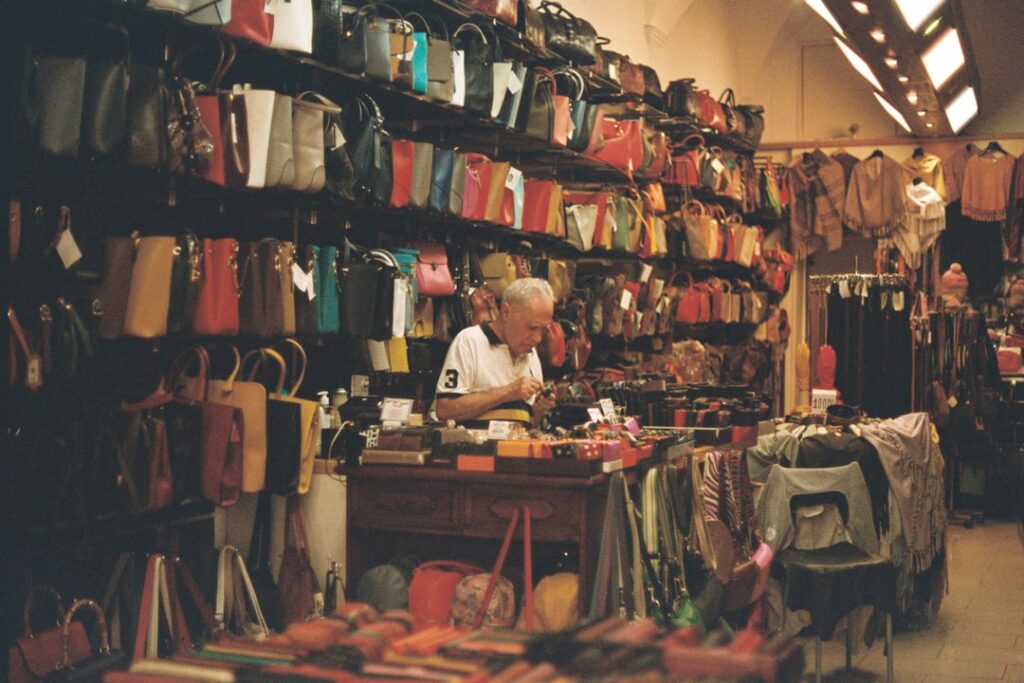
Florence, the cradle of the Renaissance where art meets craftsmanship, is also one of Europe’s leather-working capitals. The cobbled lanes, sunlit cloisters and workshops tucked behind medieval facades have, for centuries, shaped a leather tradition of extraordinary quality. Wander between the Basilica di Santa Croce, the Mercato Centrale and the iconic Ponte Vecchio, and you’ll meet artisans who still work the old way: cutting, stitching, dyeing and finishing hides that become uniquely characterful bags, belts, wallets and notebooks.
This guide is designed to walk you through buying leather souvenirs in Florence step by step: where to find authentic pieces, how to spot quality hides, what prices to expect, which personalization techniques to favor, and above all how to avoid fakes. You’ll find precise addresses, indicative opening hours, realistic price ranges and practical tips for bringing your purchases home safely. The aim is for your souvenir to be not only beautiful, but durable and full of story.
Throughout the article you’ll encounter emblematic places: the Scuola del Cuoio tucked in the cloister of the Basilica di Santa Croce (Piazza Santa Croce), the bustling Mercato di San Lorenzo and the Mercato Centrale (Piazza del Mercato Centrale) where leather stalls are easy to spot, and the shops along Via de’ Tornabuoni and nearby streets where traditional craft meets contemporary design. We also list the most interesting items to bring back: wallets, crossbody bags, handbags, belts, bracelets, leather-bound notebooks, keyrings and even small decorative objects.
More than a list of addresses, this introduction invites you to immerse yourself: imagine the smell of the tannery, the sound of needles on canvas, the light falling into a cloister late in the afternoon. Understanding these gestures and places helps you appreciate the value of a souvenir bought in Florence. We also include practical advice: how to bargain reasonably, which questions to ask the artisan (origin of hides, type of tanning), how to pack items for travel, and any customs formalities for exotic skins.
Ready to discover Florence’s best leather finds, learn the leather vocabulary and return home with a souvenir that tells a story? Follow the guide: we start with the ultimate reference for handmade leather, the Scuola del Cuoio, then broaden the route to markets, neighborhood workshops and luxury boutiques where leather is expressed through traditional or contemporary approaches.
Scuola del Cuoio and the Basilica di Santa Croce: the historic workshop
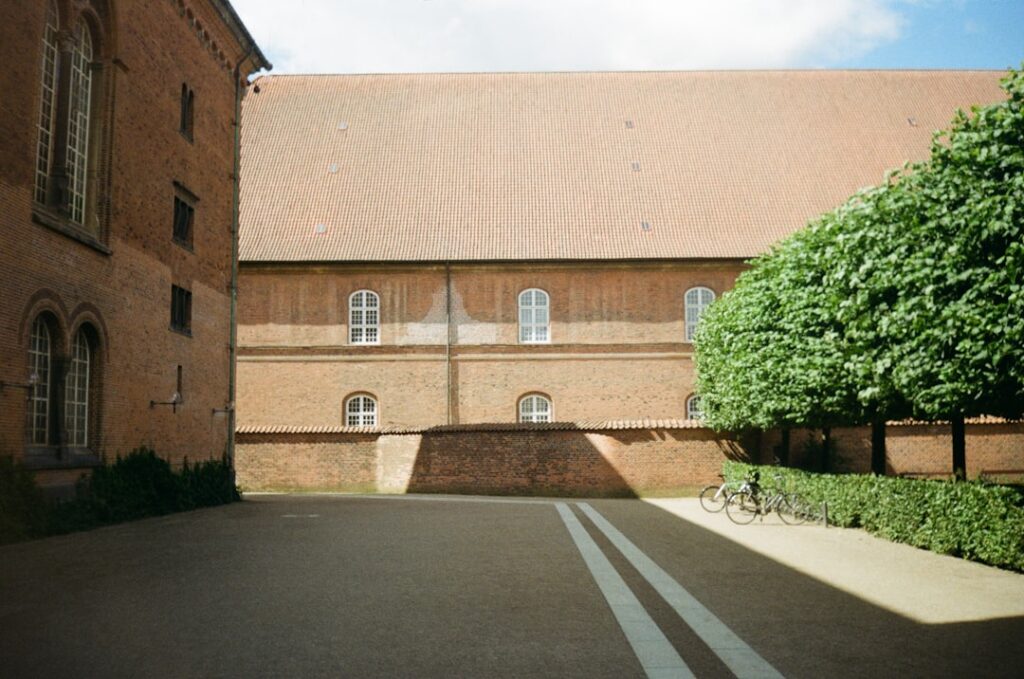
The Scuola del Cuoio is arguably the most iconic place to buy a genuine Florentine leather souvenir and to watch the craft in action. Housed in the cloister of the Complesso Monumentale della Basilica di Santa Croce (Piazza Santa Croce 16, 50122 Firenze), this school-workshop was founded after World War II to revive local craftsmanship. The artisans also restore relics and make bespoke pieces, often using traditional Italian techniques.
Address: Scuola del Cuoio – Convento di Santa Croce, Piazza Santa Croce 16, 50122 Firenze
Indicative opening hours: 10:00 – 17:30 (check season and holidays; the workshop may close during religious services)
Indicative prices: wallet €30–80, leather-bound notebook €25–60, small bag €120–350; introductory workshops (1–2 hours) around €40–80.
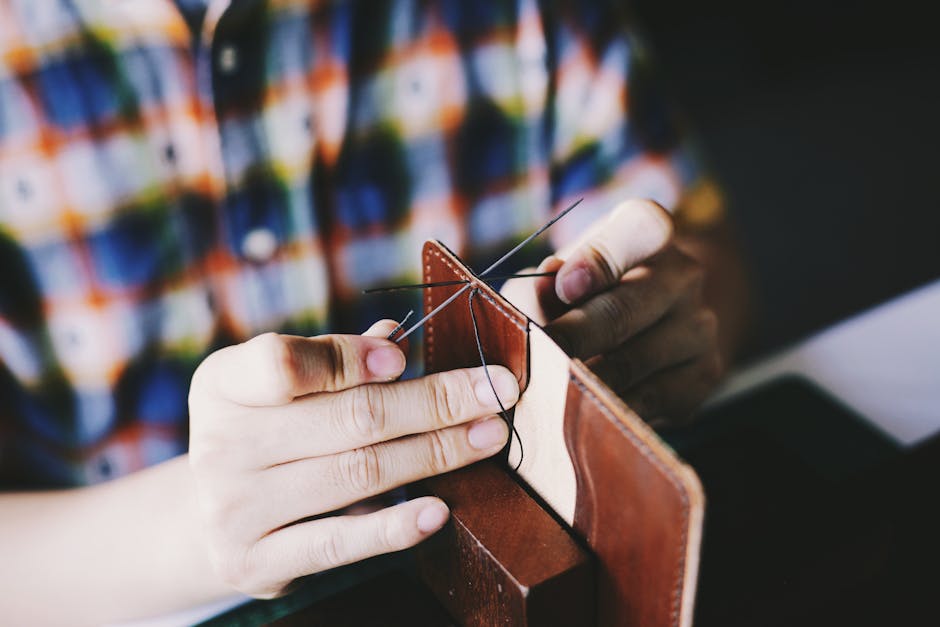
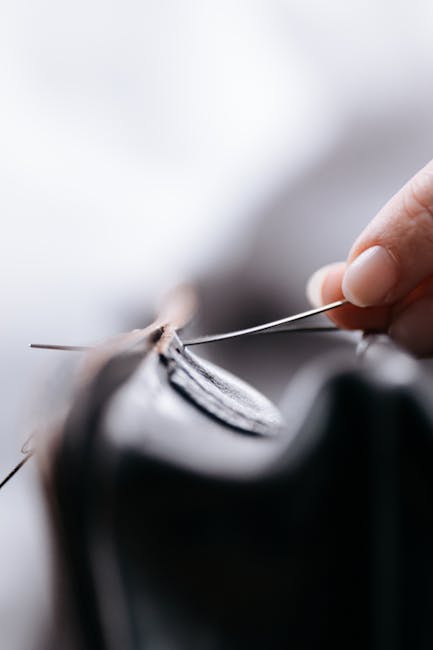
A visit to the cloister throws you straight into history: sun-warmed stone, arcades and benches displaying finished pieces. Inside, you can watch the full process: cutting the hide, saddle-stitch assembly and edge finishing. Artisans often offer hot-stamp personalization (initials) on the spot: hot-stamp prices €5–15, completed in a few minutes.
Practical tips: arrive early to catch a live demonstration; bring a small notebook to jot down techniques; if you want a custom order, expect a 48–72 hour turnaround depending on complexity. Serious buyers should ask about the hides’ origin (full-grain leather and quality lining are usually pricier but last longer) and whether the leather is vegetable-tanned — a sign of authenticity and natural patina.
 Click here to book your skip-the-line Accademia gallery ticket
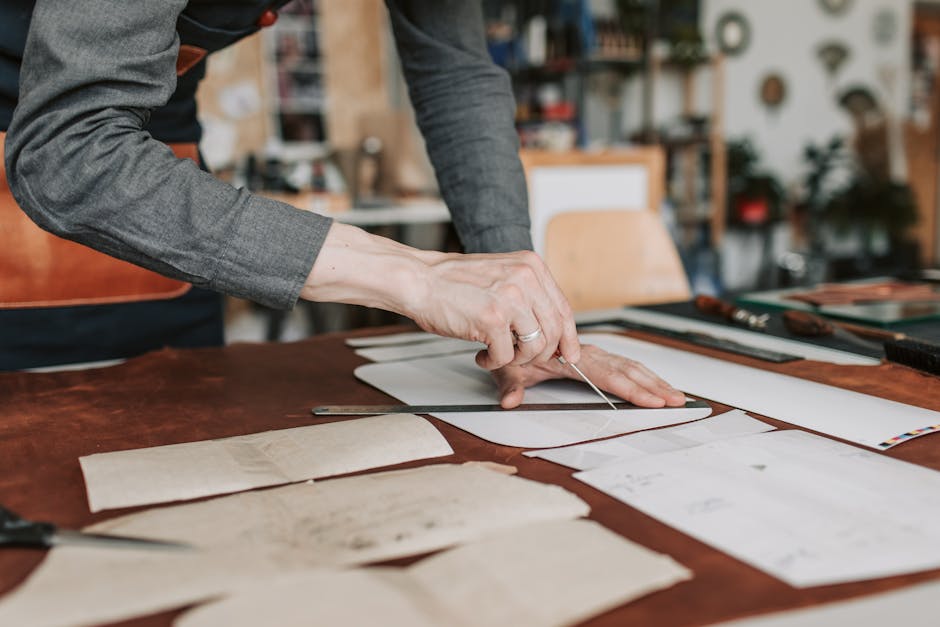
What to bring home from the Scuola del Cuoio?
- Wallets and cardholders: sturdy, often leather-lined, €30–80.
- Leather-bound notebooks: Italian paper and full-grain leather covers, €25–60.
- Small bags and pouches: classic or made-to-order models, €120–350.
- Hands-on workshops: a tactile experience and a one-of-a-kind souvenir (€40–80).
Tip: if you buy several items, ask for a canvas bag or special packaging — artisans like to protect their work for the journey.
Mercato di San Lorenzo and Mercato Centrale: street treasures and bargains
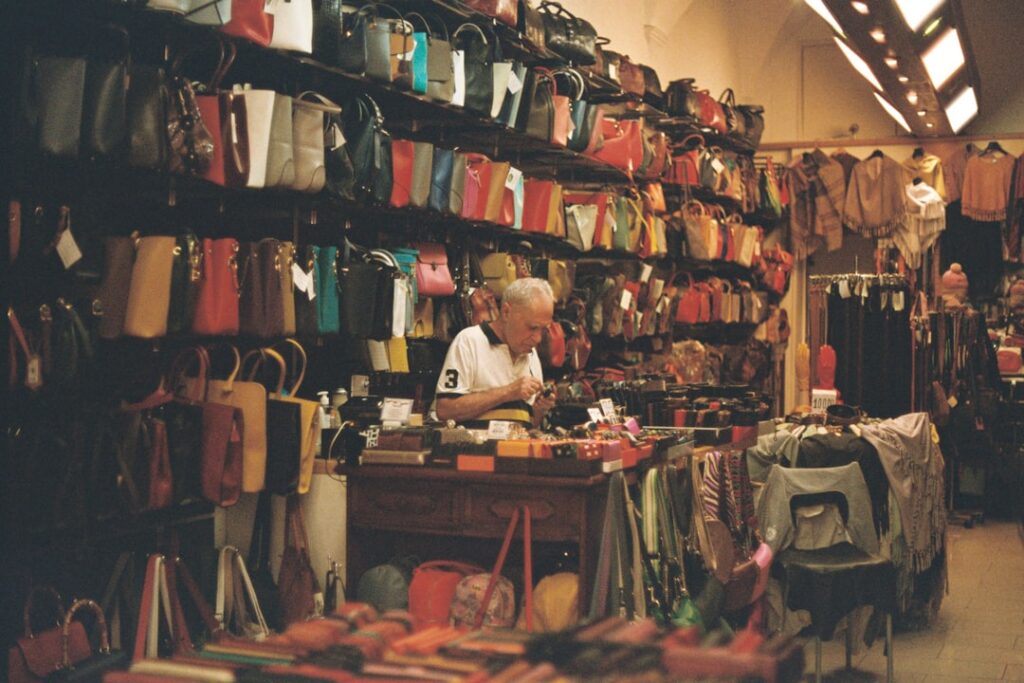
The area around the Basilica di San Lorenzo hosts the well-known outdoor leather market often called the Mercato di San Lorenzo (Piazza San Lorenzo, 50123 Firenze). A short walk away is the Mercato Centrale (Piazza del Mercato Centrale, 50123 Firenze), a large covered market where, alongside food stalls, you’ll find leather vendors. These markets are exploration playgrounds: colorful stalls, spice aromas and boxes of wallets and bags at competitive prices.
Addresses:
– Mercato di San Lorenzo (outdoor stalls), Piazza San Lorenzo, 50123 Firenze
– Mercato Centrale, Piazza del Mercato Centrale, 50123 Firenze
Indicative opening hours: Mercato di San Lorenzo 9:00–19:00 (stalls); Mercato Centrale: ground-floor food market 7:00–14:00, food court and shops upstairs 10:00–23:00.
Prices and quality: market prices are often lower than shop prices — wallets from €15–30, belts €20–60, simple bags €40–150. Beware: quality varies widely. Between genuine leather and a low-cost imitation, buyers need to learn how to tell the difference: natural leather smell, irregular grain, non-plasticized edges and strong stitching.
Practical tips: always haggle, sensibly — a 10–30% discount is often acceptable. Test zips and seams, and ask whether the piece is full-grain or just coated with a finish. Avoid impulse purchases for expensive items; take photos and revisit the stall at the end of the day — vendors sometimes offer better deals as the market winds down.
Security and transport: ask for a cardboard box, pack bulkier items into a backpack or soft cover; for long-haul flights, reconsider buying a bulky leather jacket (it might push you over the weight limit). If you want a VAT refund, request an official receipt at the shop — street vendors don’t always provide the paperwork needed for tax-free shopping.
Neighborhood shops and independent designers: Florentine quality and design
Beyond the markets and the Scuola del Cuoio, Florence is full of small shops and designers’ ateliers where leather is crafted with a contemporary touch. Shopping streets like Via de’ Tornabuoni (50123 Firenze), Via dei Calzaiuoli (50122 Firenze) and their side streets host houses offering high-quality leather, sometimes linked to well-known local labels.
You’ll find carefully selected materials, modern cuts, and often the option to place custom orders: a bag with your preferred lining, a specific dye, or an engraved detail. Prices are higher than at the market, but traceability and after-sales service often justify the cost: bags €150–800, jackets €400–1500, small leather accessories €40–200.
Useful streets (addresses):
– Via de’ Tornabuoni, 50123 Firenze — the artery for luxury leather goods.
– Via dei Calzaiuoli, 50122 Firenze — the street linking Piazza del Duomo to Piazza della Signoria, with artisan shops.
Indicative shop hours: generally 10:00–19:30, with some luxury stores opening earlier or closing later depending on the tourist season.
Practical tips: if you can’t decide between two leathers, feel them, ask about the tanning method and the warranty period. For a high-end bag, ask for a detailed invoice (useful for tax refund). Many shops accept cards; keep receipts.
Click here to reserve your ticket to climb Brunelleschi’s Dome
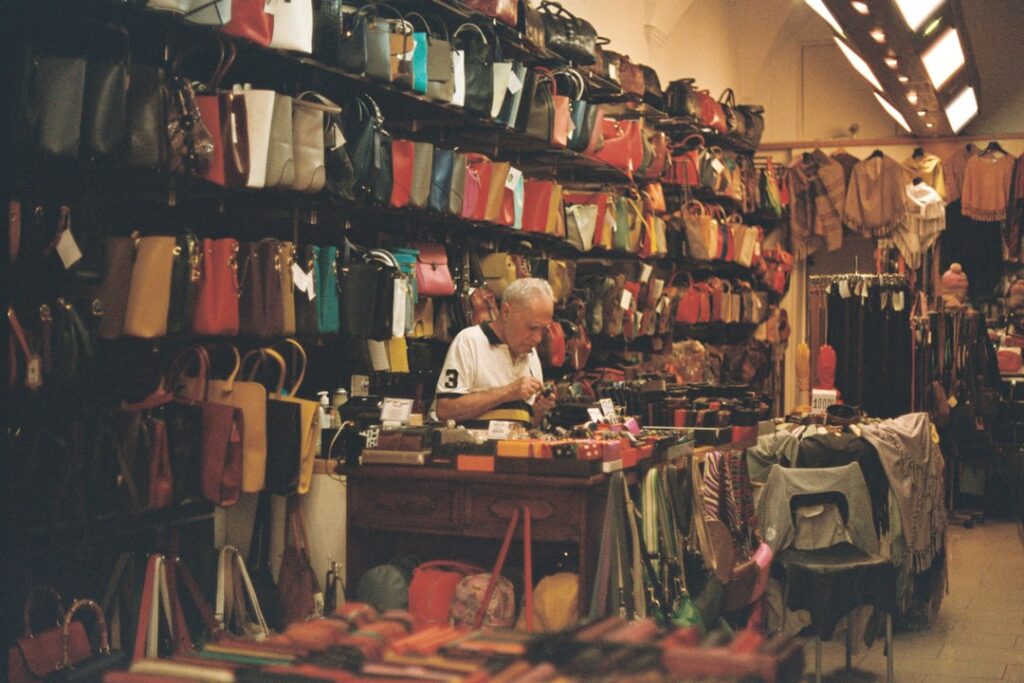
For made-to-order items, allow 1 to 4 weeks and leave a margin if you want alterations. If you plan to bring back a large bag, ask the shop—many offer secure shipping to your home (costs vary, often €20–60 depending on destination).
Ponte Vecchio and the historic shops: traditional luxury
The Ponte Vecchio (50125 Firenze) is an iconic crossing where jewelry shops still sit alongside a few leather workshops. Although very touristy and often pricier, the bridge can be interesting for display pieces or exceptional items sometimes made by partner workshops of the jewelers.
Location: Ponte Vecchio, 50125 Firenze (historic bridge over the Arno).
Hours: shops generally 10:00–19:00, with later openings during high season.
Prices and item types: expect premium pricing — high-end leather bags and pieces €250–1000, mixed leather/silver or leather/ivory items (check legality and provenance) even higher. The bridge’s atmosphere, especially at sunset, makes any purchase feel more memorable.
Practical tips: on Ponte Vecchio, favor small symbolic impulse buys — keyrings, small pouches, leather jewelry — rather than investing in a large piece without verification. If an artisan claims to have served a “Florentine family for X generations,” ask for visual proof of work in progress: a workshop, tools or hides on display.
Click here to book a skip-the-line ticket for Palazzo Vecchio
How to recognize real leather and avoid fakes
Leather knowledge is your best buying tool. Here are concrete pointers to spot a quality piece:
- Smell: genuine leather has a warm, organic scent. plastic imitations often smell chemical or like plastic.
- Grain: full-grain leather shows natural irregularities; plastic finishes look too uniform.
- Edges: check the thickness at the edge—if you see a uniform synthetic layer, it’s likely a fake assembly.
- Tanning: ask if the leather is vegetable-tanned (develops a better patina) or chrome-tanned (cheaper, more stable).
- Stitching: even, tight stitching with no loose threads indicates quality workmanship.
Quick price benchmarks: keyring €5–20, wallet €25–80, belt €30–100, small bag €80–350, leather jacket €400–1500. If a high-end leather bag is offered at €50, it’s very likely faux leather.
Practical tips: when in doubt, ask for a written warranty, a detailed invoice or a short demo of the item (open pockets, check linings). Don’t hesitate to photograph labels and details to compare later.
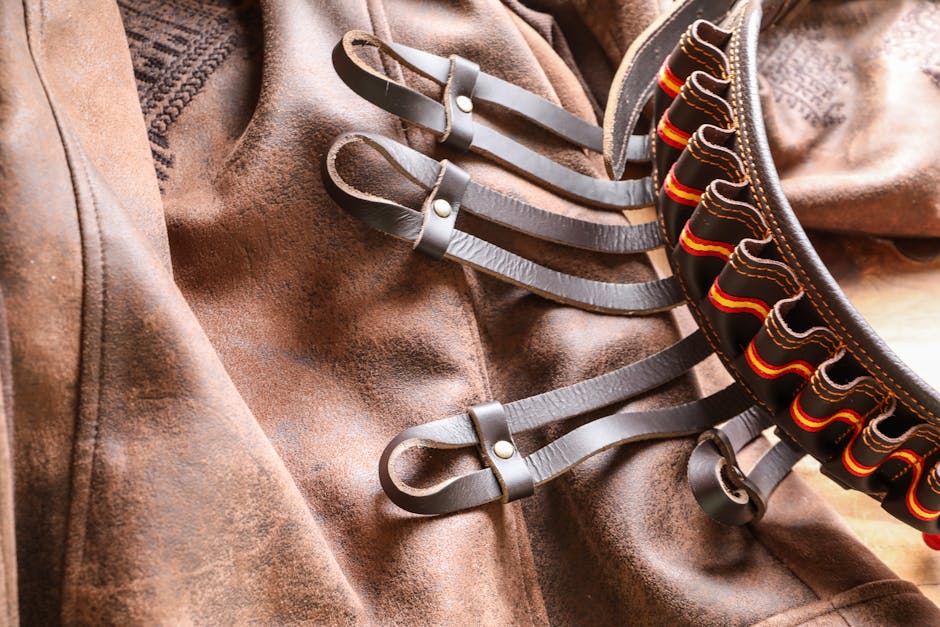
Packing, transport and tax refunds: bringing your leather home stress-free
After your purchase, think about transport and customs. Here are concrete recommendations:
- Packing: ask for fabric or paper packaging rather than plastic to let the leather breathe; for long trips, a padded protective bag is ideal.
- Carry-on: for fragile items (structured bags, jackets), carry them in the cabin if possible to avoid crushing in the hold.
- Tax refund (VAT refund): if you’re non-EU, request a tax-free invoice at the shop; for street markets, VAT refund isn’t always available. Keep all receipts and have documents stamped at the airport before checking luggage.
- Customs and exotic hides: avoid buying items containing protected species (ivory, rare skins) without CITES certification; otherwise you risk confiscation and fines.
Timing and costs: shop shipping services vary (€20–60 to Europe depending on weight). Tax refunds can make a large purchase more attractive: always ask the minimum purchase amount to qualify for a refund (often €154.94 in Italy, but check current regulations at time of purchase).
Suggested itinerary for a leather-focused day in Florence
Morning: start at the Scuola del Cuoio (Piazza Santa Croce 16) to observe the craft and possibly join a workshop. Then stroll to the San Lorenzo market to scout bargains and test your haggling skills.
Lunch: head to the Mercato Centrale (Piazza del Mercato Centrale) to sample Tuscan specialties and recharge; it’s lively and the perfect place to compare small accessories and bags while enjoying a panino.
Afternoon: wander along Via de’ Tornabuoni and Via dei Calzaiuoli to discover designer and luxury shops; end your route at the Ponte Vecchio at sunset for a photo and maybe a small symbolic purchase.
Timing tip: early in the week (Monday–Tuesday) tends to be less crowded than weekends; arrive early to find tanneries and workshops open and fewer people at the market.
Conclusion
Bringing home a leather souvenir from Florence means taking back a fragment of history and a living craft. From the Scuola del Cuoio, where technique is passed on in a cloister, to the lively stalls of Mercato di San Lorenzo, the polished windows of Via de’ Tornabuoni and the unique atmosphere of the Ponte Vecchio, each place offers a different shopping experience. Knowing the right addresses, understanding leather basics (grain, tanning, stitching) and asking the right questions will help you make purchases that last and age beautifully.
Remember: a good souvenir is more than the price you paid — it’s the story it carries: the hands that shaped it, the patina it will gain over the years and the personal journey you took to find it. Arm yourself with curiosity, patience and a bit of practical sense (packing, tax refunds, transport) and Florence will reward you with unique, authentic pieces full of soul.
Finally, keep in mind that behind every shop or stall there’s an artisan: strike up a conversation, ask about the origin of the hides and the tanning method, and you’ll leave not only with an object but with a tale to tell. Happy shopping in Florence — and may your leather souvenir accompany you faithfully for many years.