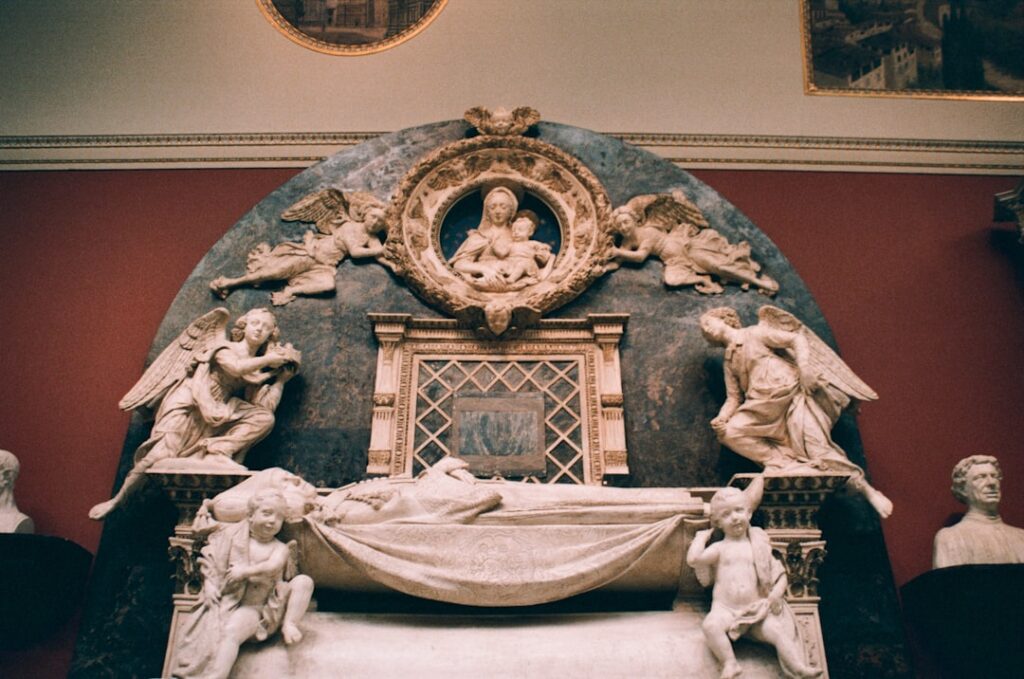






Introduction
The Medici Day in Florence is a deep dive into the history of one of the most powerful and influential families of the Italian Renaissance. The Medicis shaped the city through patronage, lavish tombs, sumptuous chapels and major artistic commissions — and it’s precisely this funerary and liturgical network that forms an essential visit to understand Florence’s cultural soul. This full-day itinerary focuses on the key chapels and mausoleums connected to the Medici dynasty, offering detailed descriptions, exact addresses, opening hours, ticket prices and practical tips to get the most out of your route.
Florence reads like a book written in stone: the polished surfaces of tombs, the polychrome marbles of domes, Michelangelo’s marble reliefs and Byzantine mosaics. Walking through the Cappelle Medicee, the Cappella dei Principi, the Sagrestia Nuova and the liturgical spaces of the Basilica di San Lorenzo you trace both the family timeline and the evolution of the arts. The tombs are works of art and political and spiritual statements, designed to immortalize names, prestige and piety.
This introduction sets the scene for Medici Day and, above all, prepares you for a sensory experience: smell the marble, take in the onyx inlays, admire the play of light and shadow in the side chapels, and read the stories carved into the epitaphs. I’ll give clear practical information — precise addresses (for GPS), prices in euros, opening hours as of writing — and local tips to ease your transfers between sites and help you enjoy every stop.
Keep in mind opening times and prices can change with the season, exceptional closures or special events, so I always recommend checking official sites the day before your visit. Still, the information here reflects typical conditions and is enough to plan a smooth day in Florence. This itinerary can be done on foot if you like walking (the monuments are concentrated in the historic centre) or by mixing tram/bus if you prefer to save energy for the museums.

Cappelle Medicee: Cappella dei Principi and Sagrestia Nuova (stone and splendour)
The Cappelle Medicee are the Medici family’s funerary and museum heart within the compound of the Basilica di San Lorenzo. The complex is located at: Piazza di Madonna degli Aldobrandini, 6, 50123 Firenze FI, Italy. The site includes two main spaces: the Cappella dei Principi (the Chapel of the Princes) and the Sagrestia Nuova (the New Sacristy), plus the Museo delle Cappelle Medicee which preserves and highlights these ensembles.
– Price (ticket office): standard adult ticket €12.00; reduced (18–25 EU citizens or other specific reductions) €6.00; free under certain conditions (under 18, etc.). Some combined tickets with the Basilica di San Lorenzo are sometimes offered for around €15.00. Prices may vary slightly for online bookings or if an audio guide is included.
– Opening hours: generally 09:00–19:00 (last entry 18:20). Weekly closing days vary; often open daily except for special closures related to ceremonies. Check the official website on the day of your visit.
The Cappella dei Principi is a monumental mausoleum: an octagonal Baroque space clad in polychrome marbles and inlaid stone celebrating the Medici rulers. The visual effect is that of a palace-sanctuary: a lavishly decorated dome, ornate pendentives and side displays showing dynastic coats of arms and ornaments. The chapel impresses with its scale and ostentation — it was designed to assert dynastic authority as much as devotion.
 Click here to book your ticket for the Medici Chapels
Click here to visit the Accademia Gallery to see David
Click here to book your ticket for the Medici Chapels
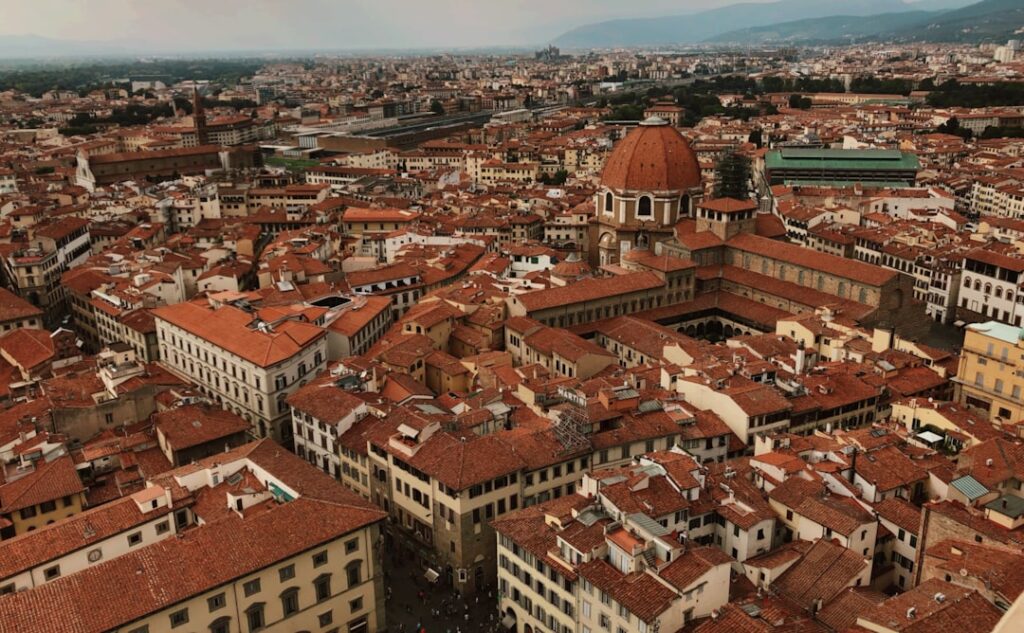
The Sagrestia Nuova, a key work by Michelangelo (designed in the early 16th century), houses the famous tombs of members of the Medici family (Lorenzo il Magnifico himself is not interred in the Sagrestia, but the dynasty is strongly represented there), along with sculpted allegories — the celebrated figures of Dawn, Dusk, Day and Night. The marble is highly polished, the forms taut and almost alive; Michelangelo’s sculpture reveals a rare expressive force: drapery, musculature and frozen emotions create an intensity that hits you straight away.
Practical tips for visiting: arrive early to avoid groups, take an audio guide (often available for around €3–€5) or download a detailed cultural app. Photography is often allowed without flash but follow signage. The visit combines naturally with an exploration of the Basilica di San Lorenzo and the Biblioteca Medicea Laurenziana, a few steps away.
Basilica di San Lorenzo and Biblioteca Medicea Laurenziana: worship and learning
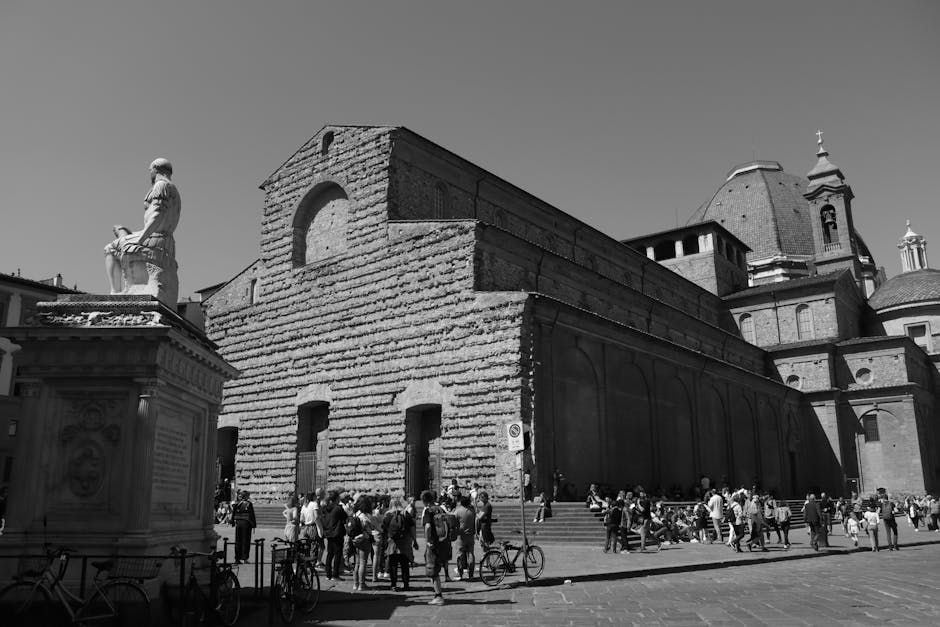
The Basilica di San Lorenzo is intimately linked to the Medici family; it was their family place of worship and preserves several spaces commissioned or restored by them. Address: Piazza San Lorenzo, 9, 50123 Firenze FI, Italy. The basilica, with Romanesque–Gothic origins and interventions by Brunelleschi, remains a major architectural landmark.
– Price (Basilica): entry to the church itself is sometimes free for the liturgical area, but access to museums and annex chapels (Museo di San Lorenzo, Museo delle Cappelle Medicee included) is ticketed. Expect around €6.00–€8.00 for the Museo di San Lorenzo; combined tickets available.
– Hours: the basilica is generally open 10:00–17:00 (service times and religious offices can temporarily restrict access).
Inside, don’t miss the Medici-commissioned side chapels and the tombs originally placed there. The cloister and arcades offer a precious calm, ideal for contemplation. The local stone and marble columns create a more restrained aesthetic than the Cappella dei Principi, but the historical weight is just as strong.
The Biblioteca Medicea Laurenziana, partly designed by Michelangelo and completed by his successors, is a delight for lovers of interior architecture: the vestibule staircase (the famous « Laurenziana staircase ») and the reading room offer a unique vision of the transition between sacred architecture and humanist learning. Address: Piazza San Lorenzo, 9, 50123 Firenze FI, Italy (same square as the basilica, separate access).
– Price: guided tours or controlled access vary; often €5.00–€10.00 depending on the exhibition or format.
– Hours: the library has specific hours for consultation and guided visits; generally 09:00–13:00 and 14:00–17:00 for public exhibitions.
Tips: book a guided visit to the library in advance if you want to see Michelangelo’s staircase — group sizes are limited. Use the cloister for a shaded photo break. If you’re into old books, check the temporary exhibitions and loaned items: occasionally Medici manuscripts are on display.

Recommended itinerary for a full Medici day (logistics, timing and combos)
Here’s an optimized route to cover the key chapels and mausoleums in one day, while pacing visits, breaks and meals. The plan is designed to start in the morning and finish late afternoon, with steps within walking distance.
Typical itinerary (on foot, roughly 3–4 km total, moderate):
- 09:00 — Arrive at the Cappelle Medicee (Piazza di Madonna degli Aldobrandini, 6). Buy your ticket (or show your reservation). Visit: 60–75 minutes.
- 10:30 — Walk to the Basilica di San Lorenzo (Piazza San Lorenzo, 9). Visit the basilica and cloister: 30–45 minutes.
- 11:30 — Enter the Biblioteca Medicea Laurenziana (guided visit if reserved): 30–45 minutes.
- 13:00 — Lunch at a nearby restaurant or osteria (see practical tips below).
- 14:30 — Return to any annex museums if needed (exhibition rooms, Museo di San Lorenzo) or walk toward the Chiesa di San Marco or Basilica di Santa Croce if you want to extend the funerary itinerary of Florence’s great families.
- 16:30 — Coffee break, take a final photo from via de’ Gori or the Lungarno with views of the Duomo, and enjoy free time to wander back.
Recommended time on site: allow 3 to 5 hours for the classic Medici sites so you can read plaques and enjoy each location without rushing. If architecture is your passion, add half a day for Palazzo Medici Riccardi (via Cavour), which also contains chapels and decorations commissioned by the family.
Click here to visit the Accademia Gallery to see David

Tickets and booking: to avoid queues, buy online tickets for the Cappelle Medicee and the Biblioteca Laurenziana. Peak hours are between 11:00 and 15:00; favour a morning or late-afternoon visit. Audio guides and themed guided tours (Michelangelo, Medici architecture, dynastic history) are available and worth it if you prefer a structured narrative.
Local practical tips: transport, food, safety and accessibility
Transport and getting around:
- The historic centre of Florence is compact: most Medici sites mentioned are within walking distance. Bring comfortable shoes and a map or GPS.
- If you prefer public transport, tram line T1 stops at « Santa Maria Novella » (Piazza della Stazione); from there it’s a 10–15 minute walk to San Lorenzo. Tram/bus single ticket: €1.50 (check time validity).
- Taxis: fares vary; short trips in the centre typically cost around €6–€12 during daytime.
Food and breaks:
- Lunch recommendation: look for a traditional osteria in the San Lorenzo area; typical regional dishes include bistecca alla fiorentina, ribollita and crostini toscani. Expect roughly €15–€35 per person depending on the restaurant.
- For a quick break, gelaterias and cafés are plentiful around the Mercato Centrale (Piazza del Mercato Centrale). An espresso costs about €1.20–€1.50.
Accessibility and constraints:
- The Cappelle Medicee and the Sagrestia Nuova have stairs and sometimes narrow spaces; accessibility for people with reduced mobility may be limited. Contact the welcome desk to learn about solutions (lifts, alternative routes).
- Photography: usually allowed without flash in museum areas; respect « no photo » signs and the quiet atmosphere of the place.
- Respect for religious services: some areas of the Basilica di San Lorenzo may be closed during services. If you want to attend a mass, check posted times at the entrance.
Safety and behaviour
Observe conservation rules (do not touch artworks), keep your bags closed and be mindful of pickpockets in crowded tourist spots. Local police and museum stewards are available if you need help. Finally, dress respectfully to enter religious spaces (shoulders covered, no very short shorts when visiting the church).

Other Medici mausoleums and chapels to visit if you have more time
If your interest in the Medici family goes beyond San Lorenzo, several other spots in Florence and the surrounding area are worth adding:
- Palazzo Medici Riccardi — via Cavour, 3, 50122 Firenze FI. A private residence turned museum, it houses the Cappella dei Magi decorated by Benozzo Gozzoli. Hours: generally 10:00–18:00. Tickets ~€8.00–€10.00.
- Basilica di Santa Croce — Piazza Santa Croce, 16, 50122 Firenze FI. Several major Florentine families and notable figures are buried here; outstanding funerary monuments and tombs. Hours: around 09:30–17:30. Ticket ~€8.00–€10.00.
- Villa di Castello (Medici villa and gardens) — Address: Via di Castello, 20, Castello (Florence area). Prices and opening hours vary by season.
These additional stops help place the chapels and mausoleums within a wider context: palaces, gardens and public commissions. They make a perfect second day dedicated to the Medici family and Renaissance Florence.
Click here to book your ticket for Pitti Palace and Boboli Gardens
Energy-saving tip: if you plan to visit several museums in the same day (Uffizi, Palazzo Pitti, Boboli Gardens), consider buying the Firenze Card if you’re staying multiple days — it often includes entry to many museums and priority reservations, which can be cost-effective.
Click here to book your ticket for Pitti Palace and the Boboli Gardens
Conclusion
A « Medici Day » in Florence is both an intellectual and sensory experience: you move from the gleam of dark marble to Michelangelo’s austere sculptural power, from a grand Baroque mausoleum to a sacristy where art reaches for eternity. Following the route suggested here, which puts the Cappelle Medicee and the Basilica di San Lorenzo at the centre, you’ll gain a clear understanding of how the Medici family wanted to be seen — as patrons, rulers, protectors of the arts and, above all, as a dynasty intent on preserving its memory.
Practically speaking, the success of your day will depend on good preparation: check opening times and ticket prices before you go, book online to avoid queues, arrive early to enjoy less crowded spaces, and take the time to read the information panels and view each tomb from different angles. Sculptures and inlays don’t reveal everything at first glance: details unravel when you move closer and let your eyes travel across the worked surfaces.
Finally, stay curious. The Medici story isn’t told only in chapels and mausoleums; it’s woven throughout Florence — in palaces, libraries, shops and gardens. The itinerary I propose is a great anchor point, but feel free to expand your route if time and cultural appetite allow. Keep your camera ready, respect the sites and schedules, and let these stones tell you the story of a family that shaped the European Renaissance.