





Introduction
The Boboli Gardens (Giardino di Boboli) are among Italy’s most famous historic gardens and a landscaped jewel in the heart of Florence. Set behind the Palazzo Pitti on the south bank of the Arno, these gardens are a prime example of the Italian formal garden, blending terrain, sculpture, hydraulic architecture and sweeping views over the city. Planning a successful visit to the Boboli means understanding they’re more than a park: they’re an open-air museum where every path, grove and fountain tells the story of the Medici family, Renaissance artists and the landscape changes of the 17th and 18th centuries.
Wandering down the Viale del Viottolone, climbing the terraces or exploring the Grotta del Buontalenti, you’ll feel like you’ve stepped into a living stage where nature and art converse. These spaces were originally designed as the grand backyard of the Palazzo Pitti, intended to awe princely visitors and host fêtes and ceremonies. Today, both international visitors and locals come here for culture, relaxation and photography.
For attentive travelers, the Boboli Gardens offer a range of experiences: panoramic views of Florence Cathedral (the Duomo) and Piazza della Signoria, discoveries of ancient and baroque statues such as the Fontana dell’Isolotto and the classical-inspired “Anfiteatro”, plus greenhouses and a small porcelain museum dotted along the way. The planting is as stylized as the stonework: topiary lines, yew groves, laurels and cypresses structure the space and make it perfect for dramatic photos or peaceful strolls.
Before diving into the practical details, note that exploring Boboli takes time and a good pair of shoes. Paths can be steep, gravel can be slippery in rain, and some monuments sit on higher ground. But the payoff matches the effort: sweeping views, surprising sculptures, water features and shady spots invite you to linger. This article gives you a detailed map, key points of interest, exact addresses, current prices in euros, opening times and local tips to prepare your visit.
General layout and practical information
Exact address: Giardino di Boboli, Piazza de’ Pitti, 1, 50125 Firenze FI, Italy. The Boboli Gardens stretch directly behind the Palazzo Pitti and are accessible from Piazza de’ Pitti or via the Porta Romana on the garden’s southern edge. The most common entry for tourists is the Palazzo Pitti ticket office, but there are secondary pedestrian entrances and access points for groups and guided tours.
 Click here to book your ticket for the Pitti Palace and the Boboli Gardens

Opening hours (typical seasonal pattern): Open daily. Generally the garden opens around 8:15 AM every day. Closing times change with the season and sunset: roughly 8:15 AM–6:30 PM (spring/summer) and 8:15 AM–4:30 PM (autumn/winter). Last entry is usually allowed one hour before closing. Hours may vary for public holidays or special events; check the official Musées du Bargello/Palazzo Pitti site or ticket office before your visit.
[p>
Prices (indicative, check before you go):
- Standard entry to the Boboli Gardens: about €10.00 for an adult (full price).
- Combined ticket Palazzo Pitti + Boboli Gardens: about €16.00 (full price).
- Reduced fare: approximately €2.00–€8.00 depending on age group; EU students aged 18–25 usually get a reduced rate; free for under-18s and some categories.
- Skip-the-line / guided tour tickets: variable, typically €20–€35 or more depending on the service.
These rates can fluctuate with museum policy and season; keep your e-ticket on your phone and bring ID if you’re using a reduced fare.

How to get there: The gardens are walkable from the historic center (Ponte Vecchio, Piazza della Signoria). From Firenze Santa Maria Novella station take a taxi (around 10 minutes) or a city bus (lines 6, 11 and 14 depending on direction). The T1 tram stops at “Alamanni – Stazione”, then it’s a 15–20 minute walk or a bus connection. If you’re driving, parking in the historic center is limited and paid; prefer external car parks or park-and-ride options.
Suggested route: must-see highlights
Start your visit by crossing the courtyard of the Palazzo Pitti then take in the garden’s geometry along the Viottolone. This wide, straight avenue lined with clipped yews and tree alignments is the central axis leading to the Fontana dell’Isolotto and the garden’s broad perspective. The walk invites you to admire the classical composition and spot the scattered ancient sculptures.
The Fontana dell’Isolotto (Isolotto Fountain) is one of the garden’s focal points. Sited on a small artificial island surrounded by a basin, this fountain is adorned with sculptures and hydro-design that once impressed visitors with its jets and water masques. Around it, flowerbeds and small paths provide varied viewpoints and picturesque photo opportunities.
The Grotta del Buontalenti is another major stop: designed by sculptor-architect Bernardo Buontalenti, this artificial grotto is rich in stuccoes, mosaics and hybrid figures. Its interior is theatrical and creates a stark contrast with the garden’s open spaces, giving an almost fantastic atmosphere. Nearby you’ll find the enigmatic Grotta del Cavaliere and sculpted niches inviting further exploration.

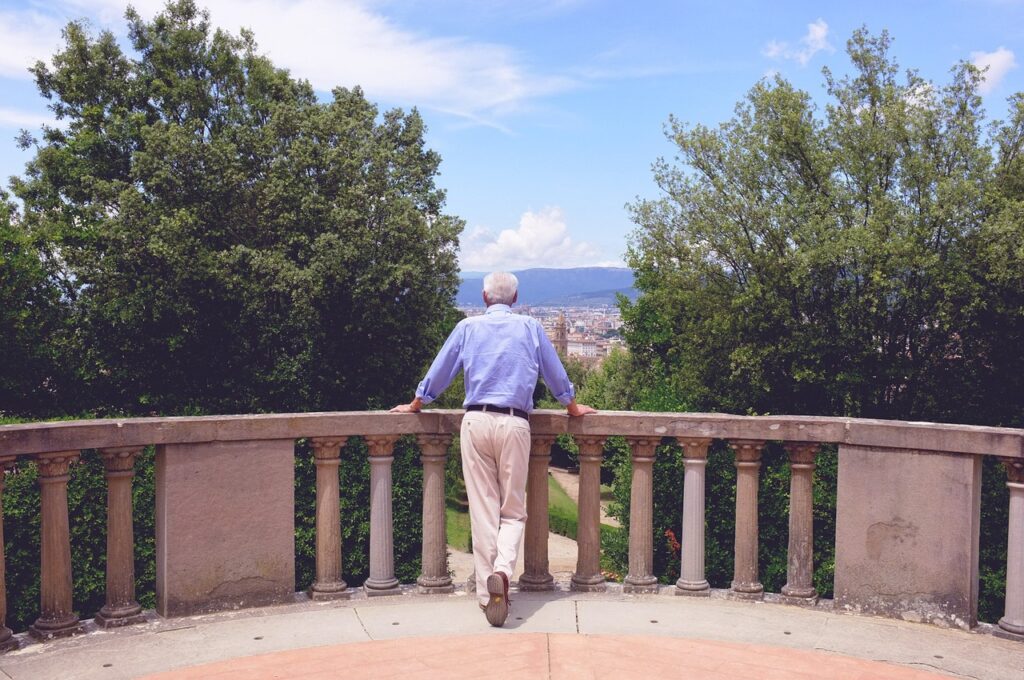
Don’t miss the Anfiteatro: a terraced esplanade directly inspired by ancient theatres, offering a resting space and great city views. Finally, crown your walk with the terrace at the Terrazza del Belvedere, which delivers panoramic views over Florence, the Duomo and the Arno — a top spot for sunset.

Monuments and museums inside Boboli
The Boboli Gardens are more than green space: they house several museum buildings and collections worth exploring. Among them, the Museo delle Porcellane (located in the former Limonaia, or orangery/greenhouse) displays a collection of historic ceramics and porcelain tied to the grand-ducal collections. Exhibits vary but often reflect the Medici and later rulers’ taste for precious objects.
The Costume Gallery and some small temporary exhibitions may be hosted in the palace’s outbuildings and garden dependencies. The Cappella dei Pitti and little chapels or oratories scattered around add a religious and artistic layer. Ancient statues (copies and originals) are dispersed throughout: you’ll see Roman pieces, Baroque compositions and mythological allegories that reveal patrons’ passions and cultural interests.
The Limonaia (old greenhouse) is an interesting building from a horticultural and cultural point of view: sometimes used for exhibitions today, it recalls the princely tradition of growing citrus and exotic plants. The garden’s botanical collections include Mediterranean species, ancient trees and seasonal beds — another reason to return at different times of year.
Click here to book entry to the Pitti Palace and its museums
Feeling the garden: sensory experiences and photography
The Boboli Gardens offer a rich sensory palette. In spring, jasmine and citrus scents blend with birdsong; in summer, the shade of the cypresses and the coolness of the groves provide refuge; in autumn, leaf colors and low light create dramatic contrasts. For photographers, every season offers different compositions: architectural lines, water features, stone textures and sculptural silhouettes lend themselves to many artistic variations.

Practical photo tips: aim for early morning or late afternoon for golden light and smaller crowds. The Belvedere and the Fontana del Nettuno terrace (when the fountain is flowing) are prime spots for panoramas. Use a mid-range focal length to capture the depth of avenues and a wide-angle lens for city views from the heights. Also take time to approach details: the stuccoes in the Grotta del Buontalenti, bas-reliefs and sculpted faces make compelling close-up subjects.

Experiences to savor: sit on a shaded bench and watch the flow of visitors — families, students, artists and couples — that make the garden come alive. Listen to the murmur of water, footsteps on gravel and the discreet clicks of cameras. The intimacy of the groves contrasts with the grandeur of the vistas: one of Boboli’s pleasures is moving from monument to secret spot in a few steps.
Practical tips and local recommendations
Plan your visit: allow at least 2 hours for a good overview, 3 to 4 hours if you want to visit museums and follow secondary paths. If you’re short on time, focus on the Viottolone, the Isolotto, the Grotta del Buontalenti and the Belvedere. Bring a water bottle, a hat and sunscreen in summer; in spring and autumn a light windproof jacket is useful because the heights can be exposed.
Accessibility: much of the garden is sloped and some paths are paved or rocky. Wheelchair access is partial; there are more accessible routes and slow lifts at the Palazzo Pitti level, but the topography remains challenging. Ask at the ticket office about assistance for visitors with reduced mobility and alternative routes.
Food and toilets: there are several refreshment points around the Palazzo Pitti and in the immediate vicinity; inside the garden offerings are limited but you may sometimes find a small seasonal café near the main entrance. Public toilets are located near the access points; expect queues in high season. For a proper meal head to the streets around Ponte Vecchio where cafés and traditional trattorie await.
Safety and behavior: follow signage that prohibits trampling beds and entering plant-care areas. Heritage protection is taken seriously: do not touch sculptures or ornaments and avoid picnicking on protected lawns. Dogs must be kept on a leash and some areas may be off-limits to pets. During events (concerts, exhibitions) opening hours and access can change.
Guided tours, events and scheduling
To get the most out of Boboli, consider a themed guided tour: Medici history, ancient sculpture, garden hydraulics, or photography. Licensed local guides bring anecdotes, precise historical information and reference points that change how you perceive the garden. Guided tickets are often limited in number and can include skip-the-line entry to the Palazzo Pitti.
Click here to book combined tickets for David, the Pitti Palace and the gardens
Click here to book a 5-day pass for Uffizi, Pitti and Boboli

Events: year-round the Boboli Gardens host temporary exhibitions, open-air concerts and cultural events. In summer you may find evening music or theatre performances that create a special atmosphere and sometimes require separate tickets. The garden is also a backdrop for fashion shoots and films; such activities are regulated by the museum administration.
Timing tips: avoid busy weekends in high season (June–September) if you want quiet; low season (November–February) is calmer but some facilities may be closed. Account for Italian national holidays (April 25, June 2, December 8, etc.) which can change opening hours and increase crowds.
Conclusion
The Boboli Gardens are not just a Florentine attraction: they embody a story of power, art and landscape that spans centuries. From the original design to later reworkings, the garden reveals the visual strategy and tastes of princely families while remaining alive and welcoming to today’s visitor. Between majestic perspectives, baroque grottoes, fountains, ancient statuary and museums, every visit can feel new.
To fully enjoy Boboli, plan your route, check hours and fares in advance, and choose the time of day that matches your mood — morning for soft light, late afternoon for sunset. Bring comfortable shoes, water and, if possible, a guide or a detailed map so you don’t miss hidden treasures. Finally, remember the garden is fragile: respect the rules, preserve the artworks and plantings, and take time to listen and observe. Do that and you’ll have a cultural and sensory experience — a Florentine pause where time bends to beauty.
Click here to book Pitti Palace entry with audio guide

