





Introduction
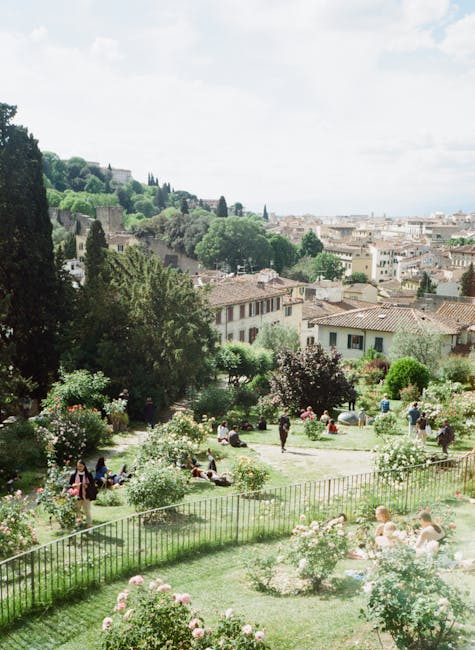
Florence, the cradle of the Renaissance, is famous for its museums, palaces and sweeping city views. Yet tucked behind that cultural scene, the Giardino di Boboli offers a different kind of treasure: a living, historic collection of rare plants, centuries-old trees and landscaped features that tell the botanical and cultural story of Tuscany and beyond. Located just behind the Palazzo Pitti, Boboli is more than a public park — it’s an open-air museum where botany, landscape architecture and baroque sculpture come together for an immersive, educational stroll.
This introduction sets the scene: whether you’re a plant lover, photographer, amateur naturalist or just seeking shade after visiting the Palazzo Pitti and the Uffizi, Boboli is a must-see. The park preserves noteworthy botanical specimens — giant sequoias imported in the 19th century, elegant camellias, fragrant magnolias and collections of exotic conifers — as well as Mediterranean shrub collections that reflect the history of Italian aristocratic gardens. Around every corner you’ll find surprises: artificial grottoes, monumental fountains, viewpoints framing the cathedral of Santa Maria del Fiore and Piazza Pitti, and shady groves where biodiversity mixes with works of art.
Practically speaking, this article is a full guide to exploring Boboli’s botanical trail: a recommended route, detailed descriptions of standout species, the best photo spots, practical info (exact addresses, prices in euros, opening hours) and local tips to get the most from your visit depending on the season. We also point you to other botanical sites in Florence like the Orto Botanico di Firenze so enthusiasts can extend their plant-based exploration around the city.
Boboli is not a static collection: it’s a living space where the seasons change colors and textures, from winter camellia blooms to the autumn hues of maples and ginkgos. This guide will help you find the most photogenic spots, understand the planting history and prepare for a respectful, rewarding visit. Follow the trail: the walk starts behind the Palazzo Pitti at the exact address Piazza de’ Pitti, 1, 50125 Firenze FI, Italy, promising a timeless botanical immersion.
How to access the Giardino di Boboli: addresses, hours and prices
The Giardino di Boboli is mainly accessed via the Palazzo Pitti, built on the south bank of the Arno. The official address to remember is: Piazza de’ Pitti, 1, 50125 Firenze FI, Italy. The garden’s main entrances are at the base of the palace, but there are secondary access points from Via Romana and Viale dei Colli for those who want to combine the visit with a climb to the Forte di Belvedere.
Opening hours (seasonal — check the official site before you go):
- November – February: 8:15 AM – 4:30 PM
- March: 8:15 AM – 5:30 PM
- April – September: 8:15 AM – 7:30 PM
- October: 8:15 AM – 5:30 PM
These times refer to general park opening; some sections or temporary exhibitions (notably at the Forte di Belvedere) may have different schedules.
Prices (indicative, in euros):
- Full price (Giardino di Boboli): €12.00
- Reduced (EU youth 18–25): €7.00
- Combo Boboli + Galleria Palatina / Museo degli Argenti: €20.00
- Free: under 18 years old
These fees may change depending on temporary exhibitions or the Soprintendenza’s policies.
Practical tips for access: the ticket office most visitors use is on the Palazzo Pitti side, but you can buy tickets online to avoid queues. Ticket checks and turnstiles are mainly at the palace exit. In high season (April–October), arrive early (from 8:30 AM) to enjoy the paths in the cool and beat the crowds; in winter, camellia and hellebore blooms are a rare treat, but some areas can get muddy after rain — bring suitable footwear.
 Click here to Book your Palazzo Pitti & Boboli Gardens ticket
Notable species and botanical zones along the trail
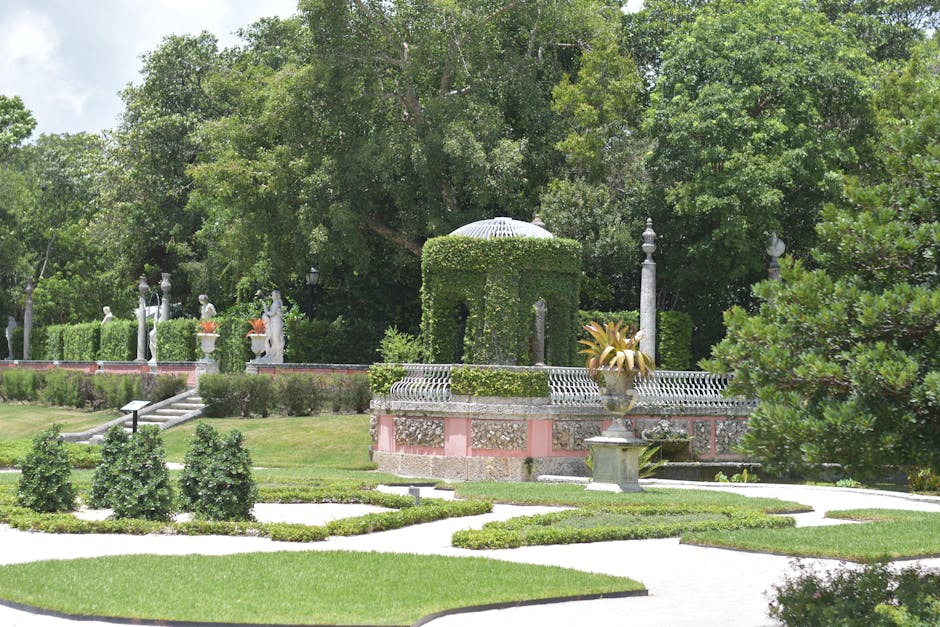
Boboli’s botanical route is semi-formal: it mixes historic groves, formal parterres, collections of exotic trees and greenhouses (when open for exhibitions). Here are some of the most notable species you’ll come across:
- Sequoia giganteum (Sequoiadendron giganteum): introduced in the 19th century, these giants dominate certain clearings. Their reddish bark and massive forms create dramatic shadow plays.
- Ginkgo biloba: often planted in rows along promenades, they display a distinctive foliage that turns gold in autumn.
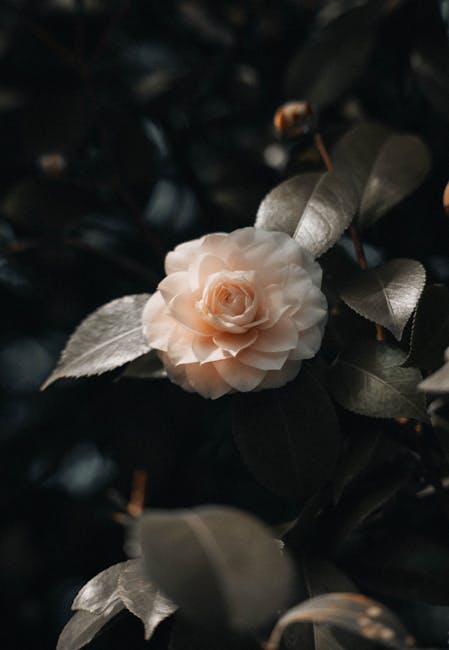
- Camellia japonica: Boboli’s camellias are renowned; their winter blooms (January–March) are a highlight for photographers and flower lovers.
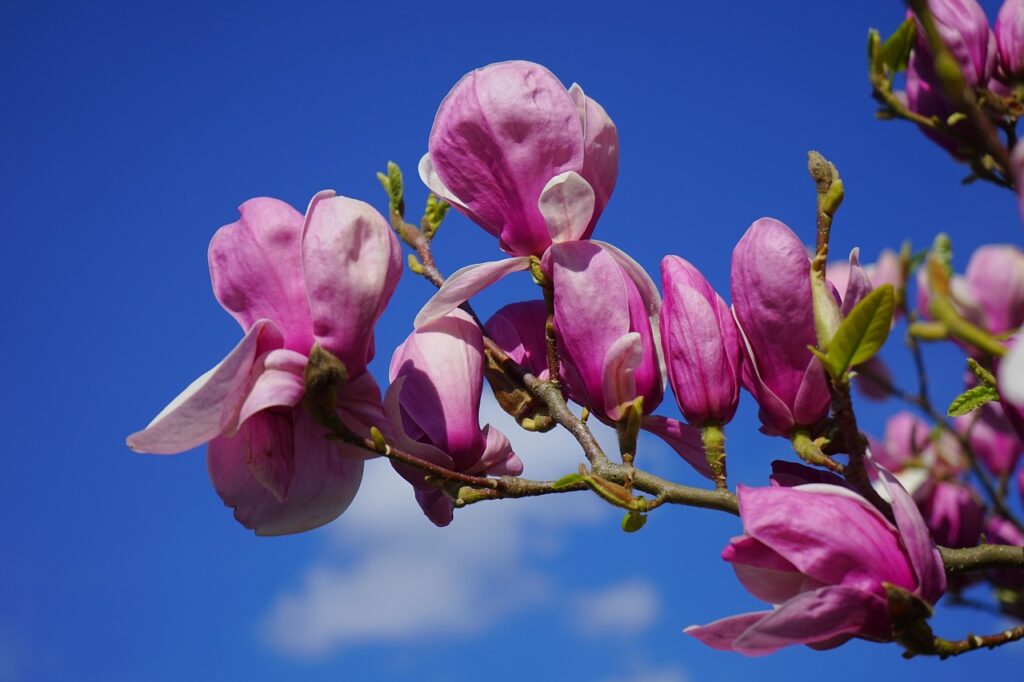
- Magnolia grandiflora and other magnolias: their large, fragrant white blooms draw the eye in spring and summer.
- Araucaria araucana (in the exotic conifer section): sculptural silhouettes with a unique texture.
- Olea europaea: centuries-old olive trees on terraces, evoking the Tuscan landscape.
- Taxus baccata (yew) and topiaries: used for centuries to structure avenues and groves.
Each part of the park has a different character. The Viale dell’Alloro with its formal plantings leads toward the central area, while the Prato and English-style lawns provide a more natural contrast. The Giardino del Cavaliere (near the grotta del Buontalenti) contains beds of rare shrubs and Mediterranean plants adapted to drought. South-facing rockeries and beds reveal succulents and euphorbias, while humid areas around fountains host hygrophilous species.
For the naturalist, Boboli is a lesson in microclimates: exposure, the Arno breeze, slope and soil differences allow plants from Asia, the Americas and southern Africa to thrive. Respect the signs: some species are fragile and part of conservation programs.
Suggested route for an immersive botanical visit
To discover Boboli’s rare plants in a logical, enjoyable way, follow this roughly 2–3 hour route, strolling and taking your time at stops:
- Start: Palazzo Pitti entrance (Piazza de’ Pitti, 1)
Begin on the first path that opens behind the palace. Enjoy an immediate view of the palace’s rear façade and the Neptune basin. - Sequoia Avenue
Head to the clearings where the sequoias stand. These massive trees create almost forest-like atmospheres within the city. - Grotto del Buontalenti and Giardino del Cavaliere
Pass through the grotto del Buontalenti, an artificial setting characterized by shade and humidity — a great spot to observe mosses and moisture-loving plants. - Terraces and olive groves
Climb toward the southern terraces where olives and agaves grow; panoramic views are guaranteed. - Belvedere and Forte di Belvedere
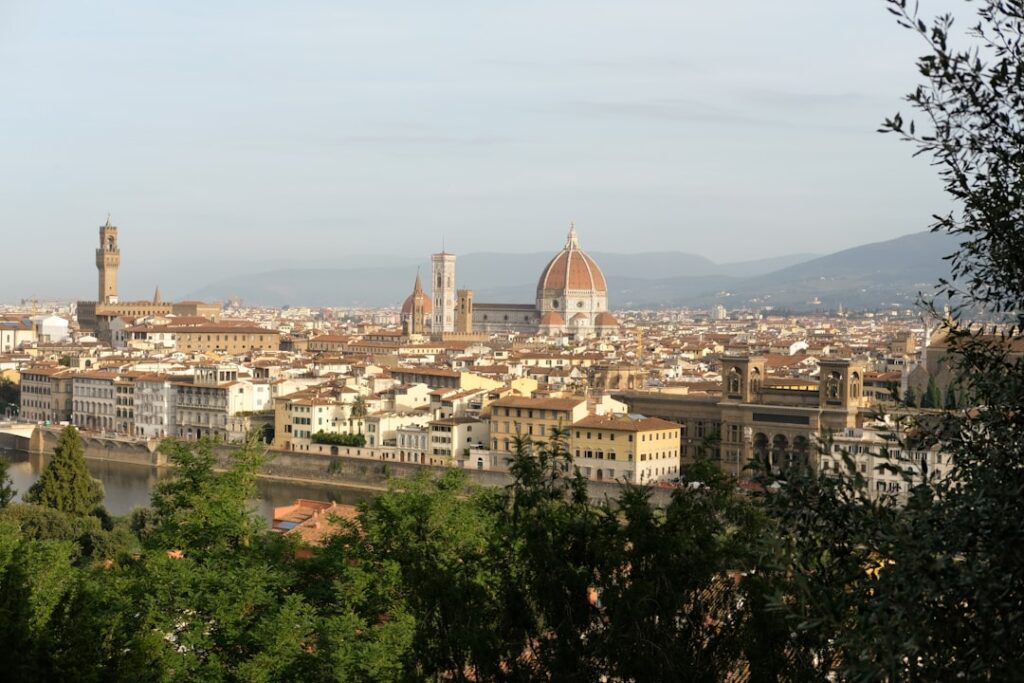
To finish, continue up to the Forte di Belvedere (Viale Giuseppe Poggi, 50124 Firenze FI): the route takes you through beds of magnolias and camellias and offers one of the best perspectives over Florence.
Recommended photo spots: the vasca grande (large basin), the city viewpoint from the belvedere, and the rows of clipped yews at sunrise. For macro enthusiasts, bees on camellia blooms in late winter make exceptional subjects.
Logistical tips for the route: bring water (few refreshment points are open inside), wear a hat and sunscreen in summer, and closed shoes in winter. Strollers can be tricky on steep paths; visitors with reduced mobility will find alternative routes but should check at the ticket office.
Local tips, conservation and best practices
Boboli is managed by the Soprintendenza and is both a tourist and scientific site. As a responsible visitor, here are some tips to enjoy the place while helping preserve it:
- Follow the signage: do not pick plants or cross barriers. Some species are protected and part of research programs.
- Responsible photography: tripods are sometimes restricted during exhibitions or for groups — avoid blocking pathways.
- Avoid peak times: early morning or late afternoon (outside closing time) provide the best light and tranquility for botanical observation.
- Keep it clean: use bins and avoid picnicking in sensitive areas. Historic lawns are fragile.
- Ask about guided tours: the Soprintendenza sometimes offers themed tours focused on botany — great for learning more about the collections and specimen origins.
Links and local reference points in Florence: to round out your botanical discovery, visit the Orto Botanico di Firenze (Università di Firenze), located at Via Micheli, 3, 50121 Firenze FI, generally open 8:30 AM–5:00 PM and often free or very low-cost. It’s a valuable site for herbaria, historic greenhouses and taxonomic collections. Also look out for the Serra del Giardino dei Semplici or small exhibitions at the Palazzo Pitti which sometimes focus on medicinal plants.
Finally, to extend the experience, check out local markets (for example the Mercato Centrale, Piazza del Mercato Centrale, 50123 Firenze) to discover herbs, olive oils and products that echo Tuscan botany.
Conclusion
The botanical trail at the Giardino di Boboli in Florence is an invitation to slow down, observe and understand the relationship between garden art and global plant diversity. This historic garden, accessible from Piazza de’ Pitti, 1, 50125 Firenze FI, Italy, showcases an outstanding collection of exotic and native trees — sequoias, ginkgos, camellias, magnolias and olives — arranged within a landscape sculpted by centuries of gardening practice. Opening hours vary by season (November–February 8:15–16:30; March 8:15–17:30; April–September 8:15–19:30; October 8:15–17:30) and typical admission starts around €12.00 for a full ticket, with concessions for young people and a combined ticket option with the Galleria Palatina.
Beyond practical details — exact addresses, prices in euros, hours — this guide also provides a detailed route and concrete advice: favor a morning visit, wear appropriate shoes, respect signage and look into botanical guided tours that can deepen the experience. The seven to twelve photo viewpoints and seasonal flowering areas make each visit different depending on the month. For naturalists, Boboli is a living demonstration of how climate, history and landscape design create niches for rare plants.
Finally, pair your Boboli visit with a stop at the Orto Botanico di Firenze or a climb to the Forte di Belvedere (Viale Giuseppe Poggi, 50124 Firenze FI) to complete your plant-focused and panoramic exploration of Florence. By following local rules and adopting a curious but respectful attitude, you’ll help conserve this living heritage. Whether you come for botany, photography, relaxation or research, the Giardino di Boboli offers a sensory and scientific journey in the heart of Florence.
Click here to Book your Pitti Palace 7-museums ticket