


Introduction
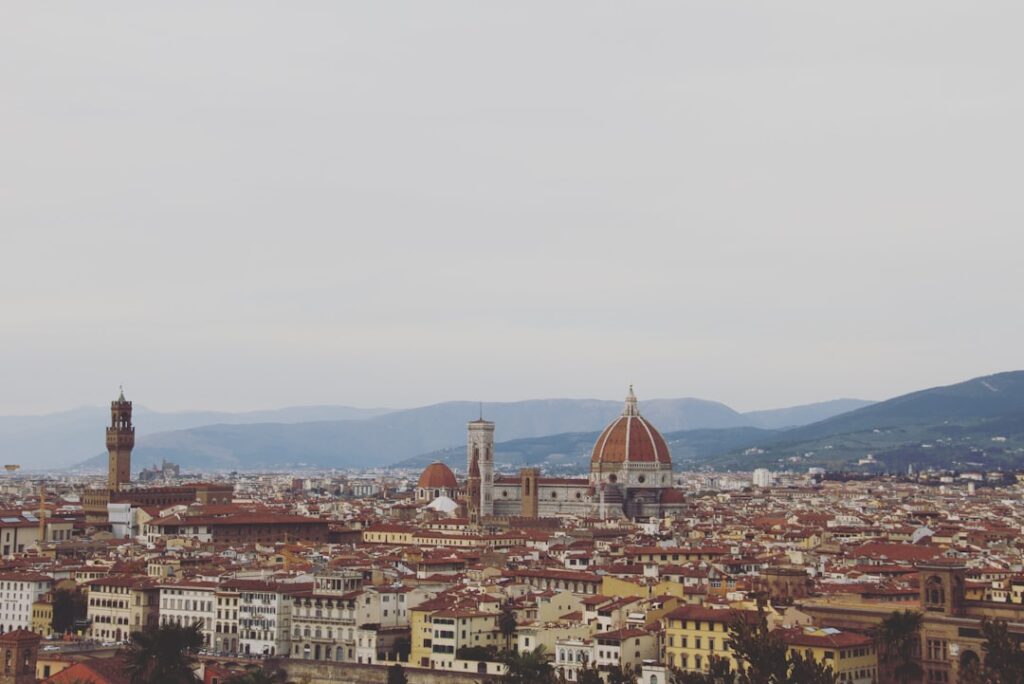
Florence breathes art from every cobbled corner, and the Giardino di Boboli is one of its most photogenic stages. Tucked right behind the Palazzo Pitti, this classic Italian garden unfolds terraces, statues, fountains and sweeping vistas that are perfect for curating a clean Instagram feed. But shooting Boboli isn’t about snapping randomly — it’s about reading the light, lines and contrasts, and how each vantage point tells a story. This guide walks you through the best angles, how to find pure frames and avoid the usual tourist traps.
Contenu de l'article
As a professional travel writer, I’ll give you a deep dive: exact spots, opening times, approximate prices, sensory descriptions and local tips to sharpen your plan. Whether you’re an enthusiast with a high-end smartphone or a content creator with a DSLR, there are simple techniques and strategic spots to make your photos stand out in a crowded feed. You’ll learn how to use monumental staircases, the symmetry of the groves, reflections in the ponds and the sweeping perspective from the Palazzo Pitti terrace.
Boboli isn’t only postcard-perfect scenery — it’s a playground for more narrative compositions. From the sculpted detail of the Fontana del Bacchino to panoramic views of the Ponte Vecchio, every frame deserves attention. The experience extends beyond framing: knowing when to go (sunrise, late afternoon), how to move without disturbing others, what gear to bring and how to respect site rules are all part of a successful shoot.
Before we get into recommended angles, this article includes practical info on entrance fees, opening hours, access and a handful of local tricks to optimize your visit. At the end, you’ll find technical and logistical tips (batteries, cards, golden hour, Florence weather), plus recommendations for continuing your photo session beyond Boboli — notably at the Palazzo Pitti and the Giardino Bardini.
 Click here to book your ticket for the Pitti Palace and Boboli Gardens

Understanding the Site: Giardino di Boboli, Palazzo Pitti and Nearby Landmarks
To frame great shots in Boboli you need to know the layout. The Giardino di Boboli (Giardino di Boboli – Piazza de’ Pitti, 1, 50125 Firenze FI, Italy) is accessed from the courtyard of the Palazzo Pitti (Palazzo Pitti – Piazza de’ Pitti, 1, 50125 Firenze FI, Italy). The two sites are managed together as part of the Gallerie degli Uffizi network.
Opening times and prices (always check official sources before your visit): the Giardino di Boboli is generally open daily, with hours that change by season — for example roughly 8:15 to 19:30 in high summer and shorter hours in winter around 8:15 to 16:30. Standard garden admission is about €10.00 for adults (indicative). Access to Palazzo Pitti and its museums (Galleria Palatina, Royal Apartments, Museo delle Porcellane) requires a separate or combined ticket: combined tickets can run around €16.00 to €18.00 for the Galleria Palatina and Royal Apartments; the Museo delle Porcellane is often around €6.00. Discounts for youth, seniors and EU residents vary. Tip: buy tickets online to skip queues during golden hour.
Points of interest to know:
- Fontana del Bacchino (near the main entrance) — a picturesque Baroque sculpture great for close-ups.
- Grotta del Buontalenti — an artificial grotto rich in sculptural detail and shadow play.
- Viale degli Uomini Illustri — an avenue lined with statues, ideal for symmetrical shots.
- The Palazzo Pitti terrace overlooking the Arno and the Ponte Vecchio — a striking urban panorama at sunset.
Click here to buy a ticket for the Pitti Palace’s 7 museums

Classic, Timeless Angles for a Postcard Look
Certain Boboli compositions have become classics because they reliably work: symmetry, leading lines, reflective water and rule-of-thirds compositions. Here’s how to approach them and why they’re effective.
1) Central perspective on Viale degli Uomini Illustri: stand in the middle of the avenue, use a standard lens (35–50mm) and line up the statues as leading lines toward the horizon. This composition exploits the garden’s formal symmetry and suits square or vertical Instagram formats. If possible, shoot early to avoid crowds and to capture soft light.
2) Reflective ponds: the large pond and smaller basins double the scene with reflections. Hunt for calm water and compose to include part of the sky, adding depth and a sense of space. A polarizer or your smartphone’s HDR mode helps balance exposure.
3) Palazzo Pitti terrace toward Ponte Vecchio: for a shot that mixes garden and cityscape, climb to the upper terrace of Palazzo Pitti. A short tele (50–85mm) compresses the scene and isolates the Arno-side silhouettes at sunset, giving you a quintessentially Florentine image for Instagram.
4) Grotta del Buontalenti in soft backlight: for drama, use the grotto as a natural frame and shoot from inside out. The carved stone creates a textured rim around the frame — excellent for artistic portraits or fashion shots.
Creative Angles, Details and Lesser-Known Perspectives
If you want to step off the beaten path, focus on details, diagonals and light interplay. Images that surprise followers often come from unexpected angles or compositions that tell a story.
1) Sculptural close-ups and the details of the Fontana dell’Isola and allegorical figures: use shallow depth of field to isolate a carved face and blur the stone-and-tree background. This approach is perfect for a Boboli-details carousel.
2) Diagonals on monumental staircases: look for less-trafficked stairways (often to the sides of terraces) and compose on a diagonal to inject energy into the image. Placing a subject on a third and repeating steps creates a strong visual rhythm.
3) Environmental portraits at the Fountain of Neptune and around the basin: position your model so the fountain reads as a recognizable, slightly blurred backdrop. Play with water reflections or splashes to add liveliness.
4) Low angles up through the cypress avenues and hills: the cypress-lined paths are dramatic from a low angle, especially on overcast days where trunks stand out against a moody sky. This creates a sense of verticality and grandeur.

Practical, Local Tips to Optimize Your Shoot
A few ground rules and local tricks will help you get the most out of your visit without disrupting the site or other visitors.
– Timings: aim for sunrise (golden hour) for soft colors and fewer people. Check exact opening times on the day you visit: the Giardino di Boboli typically opens around 8:15, but hours vary seasonally. The Palazzo Pitti and its museums usually open around 8:30–9:00 and close between 17:00 and 19:00 depending on the season. Arrive 30 minutes before peak times to stake out a viewpoint.
– Gear: a modern smartphone, a 24–70mm lens (or equivalent) and a small travel tripod cover most needs. A bright 50mm is handy for portraits and details; a wide 16–24mm for sweeping views. Bring spare batteries and an empty memory card.
– Respect and rules: some areas are protected — don’t climb statues, use heavy rigs without permission, or block paths. The garden is public but managed: commercial shoots or professional setups often require authorization. Follow signage and staff instructions.
– Clothing and props: for portraits choose colors that contrast with the stone (navy, burgundy, ochre). Stone surfaces reflect light — polarizing glasses and a hat can make your subject more comfortable.
- Bonus photo spot: head next to the Giardino Bardini (Costa San Giorgio, 2, 50125 Firenze FI) for a different city view and a fresh angle on the Ponte Vecchio — it’s often less crowded and great for a sunset follow-up session.
- Transport: Boboli is within walking distance of Piazza della Signoria and Ponte Vecchio; the area is served by buses C1/C2 and urban lines. Wear comfortable shoes — the garden has slopes and uneven surfaces.
- If you prefer a guided experience, consider local guides who offer private tours and organized photo sessions.

Conclusion
Photographing the Giardino di Boboli in Florence is an exciting mix of classic composition and personal creativity. By learning the garden’s anchor points — the Fontana del Bacchino, the Grotta del Buontalenti, and the grand Palazzo Pitti terrace — and applying a few simple rules (symmetry, leading lines, reflections, light), you’ll capture images that are both recognizable and original. The best results come from preparation: checking opening times, buying tickets in advance, choosing the right light and packing suitable gear.
Boboli offers moods from peaceful mornings to the golden glow over the Arno at sunset. Classic angles will give you postcard-ready shots while creative approaches (close-ups, low angles, diagonals) will make your content stand out. Always be respectful of the site and its rules, especially if you’re using a tripod or shooting with a professional model.
To round out your photographic visit, extend your walk to the Palazzo Pitti and the Giardino Bardini, and experiment with different formats (carousel, portrait, timelapse video) to tell a fuller story of your time at Boboli. With a little patience and these tested angles, your Instagram feed can capture the spirit of Florence and inspire followers to wander these same paths.