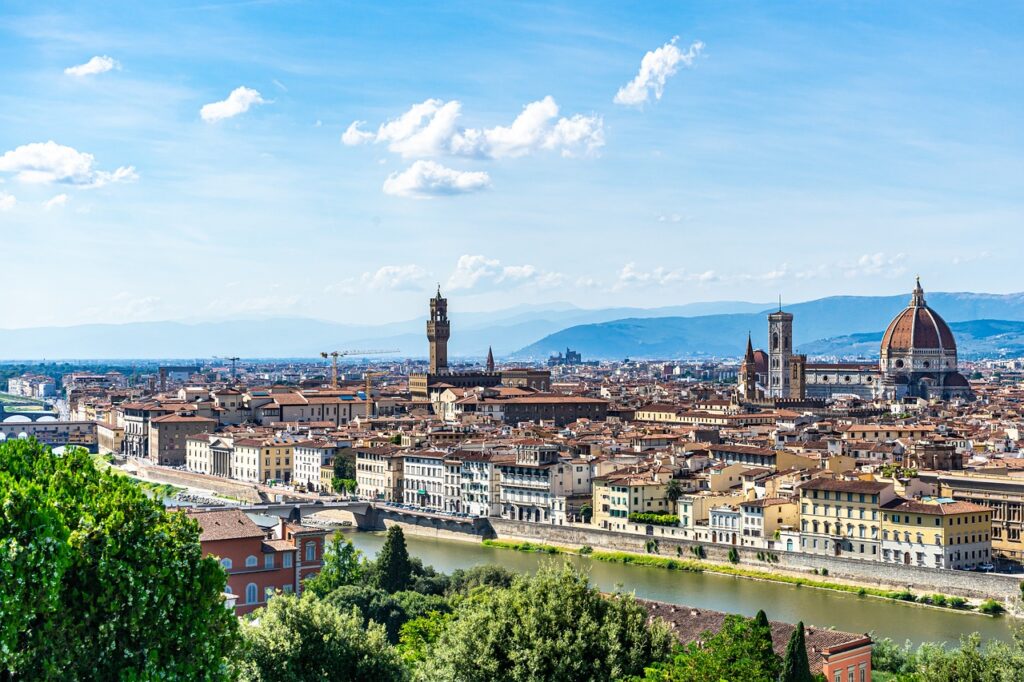





Introduction: A wine-focused day on the Chianti Road from Florence
Just a short drive from Florence, the Chianti road unfurls like a ribbon of rolling hills, slender cypress trees and century-old vineyards — a sensory escape into the heart of Tuscany. This one-day trip from Florence is more than a string of tastings: it’s a deep dive into a winemaking culture where tradition meets architecture, local cuisine and landscapes that look like Renaissance paintings. Between medieval villages, historic estates and modern cellars run by artisan wine families, the route invites you to slow down, breathe and savor.
Leaving Florence early lets you watch the landscape change: the city’s intense cultural buzz gives way to the rural calm of Chianti Classico. Road signs point to Greve in Chianti, Panzano, Castellina and Gaiole — all great stops where food and vine answer one another. Because Florence is so close (roughly 30 to 60 minutes depending on your first stop), this makes a day trip perfect for travelers with limited time who still want to discover the soul of Tuscan winemaking.
This suggested itinerary favors quality over quantity: a mix of historic estates and contemporary cellars, guided tastings, visits to the winemaking spaces and, if you like, lunch in a typical trattoria or osteria. Throughout the day you’ll encounter signature varieties like Sangiovese, classic Chianti blends sometimes boosted by Cabernet Sauvignon or Merlot, and more cellar-worthy wines where oak aging is part of the house style.
Beyond wine, the day also highlights religious architecture and village fortifications: small Romanesque churches, medieval towers and forts that tell the story of local families and rivalries. The practical addresses, opening hours, prices and tips I give here are meant to help you plan your day from Florence without improvisation. Whether you rent a car, hire a private driver-guide or book an organized tour, this guide breaks down the recommended stops and logistics so you can make the most of your Chianti road experience.
Finally, bring a light jacket for cool mornings and evenings, comfortable shoes for walking, and a notebook to jot down the wines you like — the list of wineries and their contact details appears below to help with bookings. Ready to pull back the curtain on a day made in Chianti? Follow the guide.
 Click here to book a white-wine tasting with aperitivo

First stop: Castello di Verrazzano — history, cellar and panoramas
Castello di Verrazzano is often the perfect first stop for a day trip from Florence. Located in the Greve in Chianti area, this estate combines a medieval castle, gardens and modern cellars, offering an immediate immersion into Chianti Classico’s history and winemaking. Exact address: Castello di Verrazzano, Località Verrazzano, 50022 Greve in Chianti (FI). The estate is easily reachable from Florence — plan about 35 to 45 minutes by car via the SR222 (the « Chiantigiana »).
Opening hours (subject to change; booking recommended): tours and tastings usually run from 10:00 to 17:30 daily in high season. Prices: standard guided tour + tasting ≈ €25–€35 per person; private visits or vertical tastings ≈ €45–€85 depending on the program. The visit typically includes a cellar tour, the castle’s history and a guided tasting of 3 to 5 wines, often paired with estate olive oil or local cold cuts.
The tour lets you see stainless steel tanks, oak barrels where some cuvées are aged, and vineyards cascading down terraces toward the valley. The views from the castle gardens are spectacular: you can see Greve, and on a clear day the patchwork of vineyards and olive groves that defines the Chianti landscape — with distant church towers punctuating the horizon.
Practical tips: book ahead, especially on weekends and in high season (May–Sept). Allow around 1h15 to 1h45 on site. If you want to have lunch, the castle sometimes offers picnic options or snacks, but it’s safer to reserve a table at a nearby trattoria such as Trattoria da Tito in Greve in Chianti (Piazza Matteotti, 17, 50022 Greve). Parking: estate parking is free for visitors. Partial accessibility for reduced mobility — check when booking.
Click here to book a white-wine tasting with aperitivo

Antinori nel Chianti Classico: contemporary architecture and exceptional tasting
Marchesi Antinori is one of Italy’s most famous wine families. Their showcase complex, Antinori nel Chianti Classico, sits in Bargino in the San Casciano in Val di Pesa municipality. Address: Antinori nel Chianti Classico, Via Cassia per Siena, 133, 50026 Bargino, San Casciano in Val di Pesa (FI). This contemporary public building blends minimalist architecture, a modern cellar and a panoramic viewpoint over the vineyards.
Hours (subject to change): generally open 10:00 to 18:00; guided tours and tastings by reservation (slots can be limited). Prices: standard tour + tasting ≈ €20–€35; culinary experiences or vertical tastings can range from €60 to €150 or more depending on the wines chosen. The venue also features an exhibition area tracing the Antinori family history and the evolution of Tuscan winemaking.
A typical visit starts with the architecture: stone facades, a panoramic terrace and large windows looking out to the vineyards. Then the tour descends into the cellars to discover tanks, the winemaking laboratory and barrel rooms. Tastings often focus on Chianti Classico Riserva and iconic labels, led by a sommelier who explains vinification techniques, terroirs and the importance of Sangiovese blends.
Practical tips: Antinori nel Chianti Classico is very popular — book online several days in advance, especially for weekends or tours in English or other languages. Parking is available on site. The drive from Florence takes about 30 minutes (take the SR222/Chianti road). For a refined lunch, the estate’s restaurant requires a separate reservation. Note that tours are often bilingual or multilingual — check the language when booking.
Castello di Brolio and Castello di Ama: history, art and bold wines
Between Gaiole in Chianti and the higher slopes of Chianti, two estates deserve a stop for their historical depth and high-quality wines: Castello di Brolio and Castello di Ama. Castello di Brolio, owned by the Ricasoli family, is famous as one of the birthplaces of Chianti Classico. Address: Castello di Brolio, Località Brolio, 53013 Gaiole in Chianti (SI). Hours: the castle and gardens are generally open 9:30 to 17:30 (seasonal variations); guided tours and tastings ≈ €20–€40, and guided castle/museum tours ≈ €10–€15 extra. The estate includes a museum, ramparts and trails offering wide views over the vineyards and valley.
A visit to Castello di Brolio blends medieval heritage — towers, walls and the chapel — with an inside look at the cellars where Ricasoli wines are produced. When available, vertical tastings of older vintages are a memorable way to understand how a wine evolves in bottle. The castle gardens are ideal for photos or a picnic if you’ve packed food.
Castello di Ama, located at Località Ama, 53013 Gaiole in Chianti (SI), stands out for its strong blend of wine and contemporary art. Typical hours: visits and tastings by reservation, often between 10:00 and 17:00; prices ≈ €30–€70 depending on the experience (simple tasting up to dinner-pairing events). Ama is known for contemporary art installations scattered through the vineyards and the village, created by international artists. A visit here offers an extra cultural layer: the artworks converse with the landscape and the wines, creating a multisensory experience.
Practical tips for both estates: allow enough time for each visit (1h30 to 2h). Roads between villages are winding and slow — don’t rely on mileage alone to estimate travel time. If you’re driving, designate a sober driver or hire a local chauffeur for the day. Check the weather — some viewpoints are best on a clear sky. If you plan to buy bottles from specific vintages, notify the estate in advance; they can arrange purchases and sometimes facilitate international shipping.

Lunch break and local specialties: where to eat and what to try
A Chianti wine day is inseparable from a good lunch. Between Florence and the estates, many osterie and trattorie serve rustic, locally focused dishes: Tuscan salumi, crostini, ribollita, tagliata di manzo and, of course, pasta with ragù. Here are a few typical lunch spots along the way:
- Osteria di Fonterutoli (Fonterutoli) — Via Fonterutoli, 26, 53013 Castellina in Chianti (SI). Hours: 12:00–15:00 / 19:00–22:00. Main courses ≈ €12–€25. Specialty: tagliata di manzo and local salumi.
- Trattoria da Tito (Greve in Chianti) — Piazza Matteotti, 17, 50022 Greve in Chianti (FI). Hours: 12:00–14:30 / 19:00–22:00. Main courses ≈ €10–€20. Specialty: pici with ragù and traditional Chianti dishes.
- La Cantina del Gallo Nero (Panzano) — Via Roma, 10, 50022 Panzano in Chianti (FI). Hours vary; reserve in advance. Tasting menu ≈ €25–€45.
Practical lunch tips: book as early as the morning if possible — especially in summer and on weekends. Opt for a « vini e piatti » menu to pair local dishes and wines; osterie often have a well-priced local wine list. If you plan to keep visiting wineries in the afternoon, moderate your alcohol intake or hire a driver — country roads demand focus and caution.

Logistics tips: transport, timing and safety
Organizing a wine day from Florence takes a bit of planning. Here are practical tips to keep your experience smooth and safe:
- Transport: rent a car in Florence (Amerigo Vespucci airport or city center), book a private driver for the day, or choose an organized tour. Travel time: 30 to 90 minutes depending on your first destination and traffic. Main roads include the SR222 (Chiantigiana) and smaller provincial roads.
- Booking: reserve cellar tours and tastings at least 48 hours in advance, more in high season. Many estates only accept visitors by appointment.
- Budget: plan ≈ €20–€80 per visit/tasting depending on the estate, + lunch €15–€50, + transport. If you buy bottles, consider airline transport restrictions or opt for international shipping sometimes offered by the estate.
- Safety: don’t drive after drinking. Appoint a sober driver, hire a chauffeur, or use transfer services. Country roads can be narrow and twisty — be cautious in wet weather.
- Clothing: smart-casual but comfortable; closed shoes for cellar visits and walking in the vineyards. Bring a hat and sunscreen in summer, and a light jacket in spring/autumn.
- Languages: many estates speak English; some tours may be offered in French, but always check ahead.
Also bring water, a notebook for tasting notes and, if you plan to buy several bottles, a foldable crate or suitable bag for transport. If you’re traveling by train from Florence, note that some local stations (Greve in Chianti has no direct train) require bus or taxi connections — the most flexible option remains a car or private transfer.
How to choose your route by preference: tailored suggestions
There isn’t a single Chianti road but several routes depending on what you’re after. Here are three sample itineraries to match different tastes:
- For lovers of heritage and panoramic views: Castello di Verrazzano (Greve) → Castellina in Chianti (village stop) → Castello di Brolio (Gaiole). This route blends medieval architecture, lookouts and historic gardens. Recommended duration: full day.
- For fans of iconic wines: Antinori nel Chianti Classico (Bargino) → Castello di Brolio (vertical tastings) → a private tasting at a small family estate. This circuit focuses on in-depth tastings and high-end wines. Book private visits in advance.
- For culturally curious travelers: Castello di Ama (contemporary art) → lunch in Panzano → visit a biodynamic estate or a small producer (Badia a Passignano). Pairing art, culture and winemaking is the theme here.
Timing tips: start early to avoid crowds, allow 1h30 to 2h per estate (tour + tasting), and leave buffer time between appointments for travel and lunch. If time is tight, prioritize two estates and a leisurely lunch rather than trying to squeeze in four stops.
Additional estates and small spots worth knowing
If you have more time or want to tailor your route, here are extra places that add character to your day:
- Badia a Passignano (Benedictine abbey with winery) — Località Badia a Passignano, 50028 Tavarnelle Val di Pesa (FI). Visits by reservation; tastings ≈ €20–€50 depending on the experience. The abbey combines religious heritage with winemaking.
- Fattoria di Felsina — Via Cassia per Siena, 133, 50026 Bargino (near Antinori); visits and tastings by appointment, known for its renowned Sangiovese wines.
- Enoteca Falorni (Greve in Chianti) — Via Roma, 45, 50022 Greve in Chianti (FI). Hours: often 9:30–19:00. A historic shop to buy local wines and get personalized recommendations. Prices vary from around €8 up to several hundred euros for rare bottles.
These addresses offer a more intimate, friendly alternative to larger estates. For edible souvenirs, consider bringing home extra virgin olive oil from Chianti, Tuscan pecorino cheese or local fig mustard — products that pair beautifully with your future tastings at home.

Conclusion: Bringing the spirit of Chianti back to Florence
A Chianti wine day from Florence is an experience that goes beyond tasting: it mixes history, landscape, gastronomy and craftsmanship. From Castello di Verrazzano to Antinori nel Chianti Classico, and from Castello di Brolio to Castello di Ama, each estate reveals a different side of Chianti Classico. The addresses and hours listed here will help you plan, but the key to a great day is booking ahead, drinking responsibly and soaking in the place.
Take time to walk between vine rows, listen to a winemaker’s story and compare different expressions of Sangiovese — these moments turn a tourist outing into a hands-on wine lesson. If you return to Florence at dusk, you’ll leave not just with bottles but with images: golden hills at sunset, sun-warmed stone and lively conversations over a carafe of olive oil. Note the wines that move you, ask about shipping options for rare bottles, and keep a contact list for your next visit.
Finally, tailor the route to your pace: two well-enjoyed estates are worth more than four rushed ones. Prioritize quality over quantity, follow road safety rules and, if needed, hand the driving to a professional so you can savor every glass. Chianti is a region to be savored slowly — let it tell its stories, one sip at a time.
