





Introduction
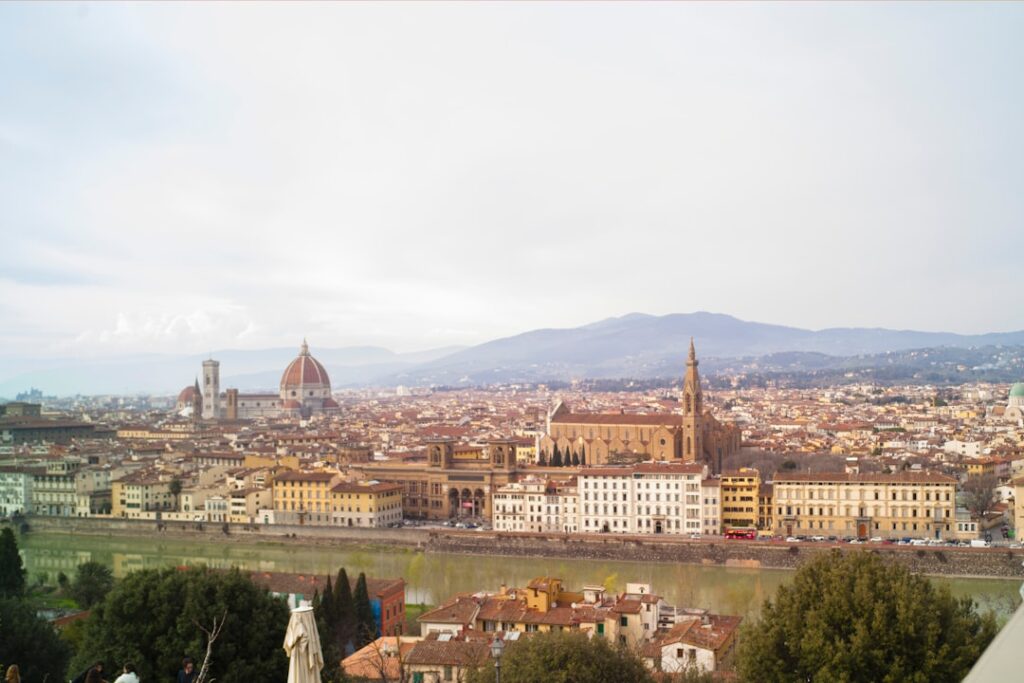
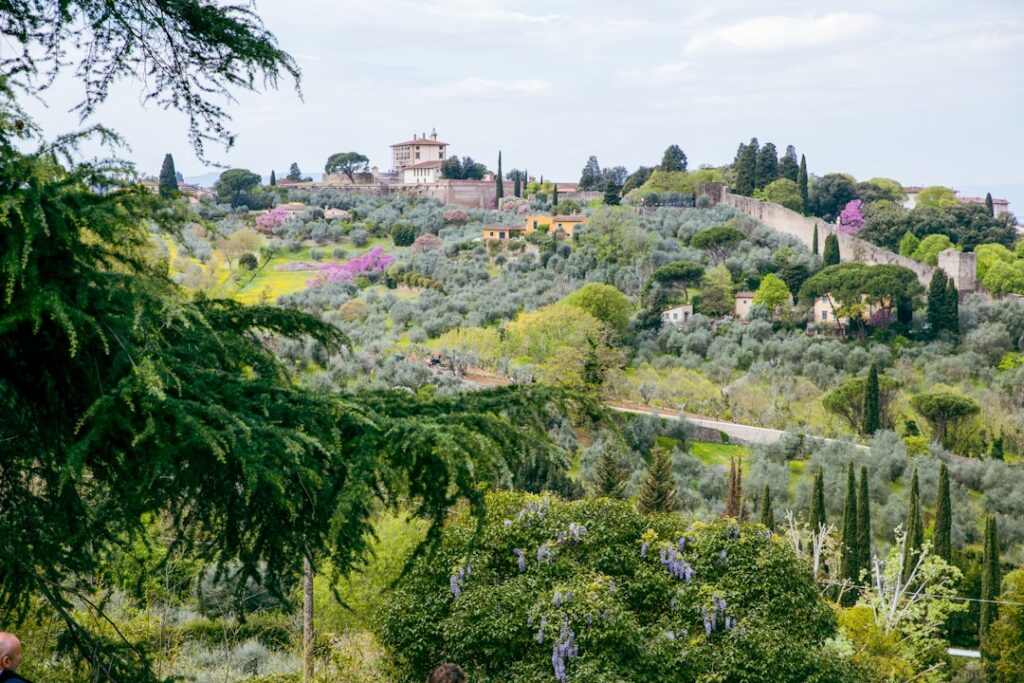
Florence, the birthplace of the Renaissance, provides unbeatable backdrops for wedding photography. Right in the city center, the Giardini di Boboli (Boboli Gardens), next to the Palazzo Pitti, are among Italy’s most evocative historic green spaces: cypress-lined avenues, sweeping vistas, ancient sculptures, grottoes, monumental fountains and panoramic views over the Arno and the city skyline. For couples, choosing the Boboli means opting for a naturally romantic, history-soaked setting that’s perfect for elegant, timeless wedding photos.
Planning a wedding shoot at the Boboli is more than booking a photographer and turning up at the gate. You need to know opening hours, ticket prices, the rules around photography (especially commercial shoots), the best light of day, the exact spots inside the gardens that make iconic frames, and backup plans in case of rain. Good preparation will help you make the most of your time on site, capture a variety of images — soft-lit portraits, dramatic backlit shots, architectural detail — and avoid administrative or logistical headaches.
This comprehensive guide walks you through every step: obtaining the necessary permits for a professional shoot, choosing shot routes inside the gardens, wardrobe tips, pose ideas, how to capture the Italian light, and practical details (exact addresses, hours, prices, useful contacts). The goal is to help you organize a Boboli wedding photo session that’s smooth, legal and unforgettable — each image reflecting not only the beauty of the place but the couple’s intimacy and emotion.
Before diving in, note that during high season (spring–summer) the gardens are very busy; an early morning or late-afternoon session will increase your chances of quieter frames and warm golden light. Also keep in mind that the Boboli are part of a protected cultural site: respecting the spaces, preserving the sculptures and ensuring visitors’ safety are essential. Following the rules and anticipating paperwork will let you enjoy a magical and respectful wedding photography experience.
Practical information: addresses, opening hours, prices and access
Before booking anything, here are the essential details you’ll need to organize your day on site.
Official address: Giardino di Boboli, Piazza de’ Pitti 1, 50125 Firenze FI, Italy. The gardens lie behind the Palazzo Pitti, reachable from the large Piazza de’ Pitti or via secondary entrances from Via Romana. The most commonly used visitor entrance is on the Piazza de’ Pitti side, near the palace.
Opening hours: hours change by season. Generally:
- April — September: 8:15 AM – 6:30 PM (last admission around 5:30 PM). The gardens may stay open later on certain days for special events.
- October — March: 8:15 AM – 4:30 PM (last admission around 3:30 PM).
- Exceptional closures: some public holidays or private cultural events. Always check the official website before planning a session.
Prices (indicative, in euros): prices can change; these are typical ranges for 2024–2025:
- Single entry to the Giardini di Boboli: about €10 for a full-price ticket.
- Reduced rate (EU youth 18–25): about €6.
- Combined ticket Palazzo Pitti + Giardini di Boboli (or including Giardino Bardini): roughly €18–€20 depending on the combination.
- Children under 6: typically free entry.
How to get there: from the historic center, the Boboli are an easy walk:
- From Piazza della Signoria and Ponte Vecchio: cross the bridge and head up to Piazza de’ Pitti (10–15 minutes on foot).
- Public transport: several bus lines stop near Piazza Tasso or Via Romana. Taxis are handy if you’re carrying lots of gear.
Practical tip: print or save your e-ticket and arrive at least 30 minutes before your planned shooting time to sort entry, quickly scout access points, and mark your favorite framing spots.
 Click here to Book tickets for the Pitti Palace and Boboli Gardens
Click here to Buy a 5-day pass for Uffizi, Pitti and Boboli
Permits and rules for photo sessions: amateur vs professional
A crucial planning point is the nature of your shoot: personal (non-commercial) or professional (paid photographer, commercial use or image distribution). The rules differ, and failing to comply can lead to the shoot being stopped or fines.
Non-commercial / private photography: for a casual couple or wedding shoot for personal use, visitors usually use a standard entry ticket. Personal photography without professional equipment (or with a simple camera) is tolerated in most public areas of the gardens. However, it’s important to stay discreet, not block paths, and obey signs indicating restricted zones.
Commercial / professional photography: if the photographer is paid, if you use powerful lighting, a professional tripod, or if the images will be sold or published professionally, it’s considered commercial activity. In that case:
- A special permit is required from the site manager (Gallerie degli Uffizi / Polo Museale).
- A usage fee and filming/shooting authorization may apply, with extra charges depending on the scale and duration of the shoot.
- The professional photographer is often required to provide proof of liability insurance.
Recommended procedure:
- Contact the responsible administrations: Gallerie degli Uffizi (which manages Palazzo Pitti and the gardens) via the official website to request conditions and the authorization form.
- Allow administrative lead time: some permits can take days to weeks to process.
- Prepare a document describing the shoot (number of people, equipment used, exact schedule, areas to be photographed).
Practical advice: always have a plan B (alternate time or date) in case of refusal or logistical restrictions. For couples who want to avoid red tape, one option is to do pre- or post-ceremony photos in outfit but discreetly and without bulky gear so you remain within the “private” category.
Suggested routes and locations for memorable shots
The Boboli are extensive and varied: the amphitheater, the Grotta del Buontalenti, the Fountain of Neptune, the Ismene basin, the Belvedere terrace and the cypress avenues. Here’s a suggested route and the most photogenic spots for a wedding session.
Sample route (2–3 hours):
- Enter via Piazza de’ Pitti: start with shots in front of the Palazzo Pitti facade for a majestic, formal backdrop.
- Amphitheater: the descending stone seating and benches create dramatic architectural lines for composed poses.
- Grotta del Buontalenti (large grotto): a cool interior, mysterious atmosphere and stone textures perfect for intimate portraits.
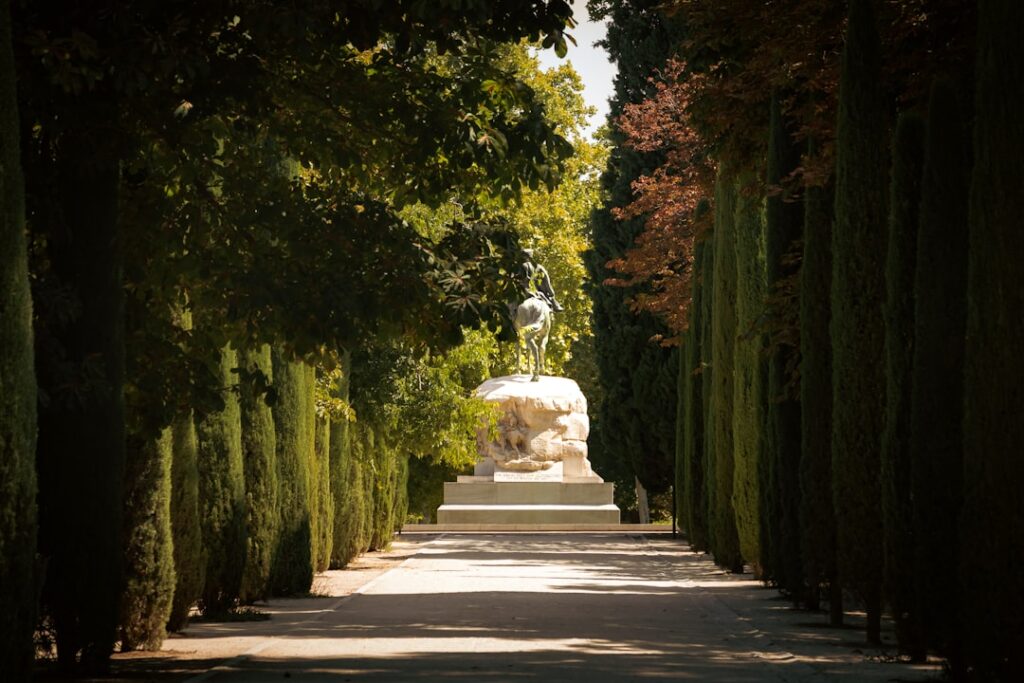
- Viale dei Cipressi: the cypress avenue gives a classic perspective and a very Italian look, great for motion shots.
- Fontana del Bacchino / Fontana del Nettuno: water and sculptures add movement and depth to frames.
- Terrazza del Belvedere: finish here for panoramic views of Florence and the Ponte Vecchio — ideal for sunset end-of-session images.
Specific spots and descriptions:
- Grotta del Buontalenti (Buontalenti Grotto): sculptural and rich in Baroque detail. Muted light and warm tones — perfect for dramatic portraits. Landmark: located inside the Boboli, on the garden’s east side, accessible via paths from the Pitti courtyard.
- Fontana del Nettuno: Neptune statue with a basin; ideal for shots incorporating water and reflections. Pose romantically on the steps to include the fountain in the background.
- Viale dei Cipressi: the central avenue of old cypresses creates a graphic perspective — a quintessentially “Italian wedding photo” frame.
- Terrazza del Belvedere: the terrace looks over the Ponte Vecchio, the Arno and the Duomo; indispensable at sunset.
Lighting and composition tips: aim for the golden hour (the hour after sunrise and the hour before sunset) for soft, warm light. For portraits, use natural reflectors (light-colored walls, water) or small portable reflectors to fill shadows. Try backlighting with the sun behind the couple for romantic silhouettes, but bring a flash or fill light if you want to retain facial detail.
Logistics tips: clothes, accessories, weather and crew
For a successful Boboli wedding session, personal and gear logistics are as important as the creative prep. Here are concrete tips for handling outfits, weather, crew and transporting equipment.
Clothing and shoes: the Boboli surfaces mix gravel, cobbles and grass. Long dresses and strapless gowns photograph beautifully, but bring backup shoes for moving around (flats, ballet shoes) between shots. Brides wanting to keep a white dress pristine should bring a cover or sleeve to protect hems on steps and muddy areas in case of rain.
Useful accessories:
- A small sewing kit (thread, needles, pins) for quick fixes.
- Wipes and microfiber towels to remove stains or clean shoes.
- Transparent umbrellas for rainy shots (very photogenic in Florence).
- A small clothing bag for the bride (a change of clothes for comfort between setups).
Weather and plan B: Florence can see sudden showers, especially in spring and autumn. Check the forecast the day before and plan a covered location (for example the portico of Palazzo Pitti) or postpone to a later time that day. If you have a professional permit, ask the site manager about covered options or alternatives.
Crew and timing: for a wedding shoot, a compact crew (lead photographer + assistant) is ideal to move through narrow paths without disturbing visitors. Plan at least 2 hours on site (1.5 hours shooting, 30 minutes for setup and movement). If you plan outfit changes or detail shots (jewelry, shoes, invitations), add 30–60 minutes.
Respecting the site and recommendations for a sustainable shoot
The Boboli are a living cultural heritage. Respecting the site isn’t just about following rules: it’s about preserving historical beauty for future visitors and ensuring weddings and photo sessions can continue there.
Conservation rules:
- Do not climb on sculptures, balustrades or monuments.
- Do not move or tamper with protected elements (vases, statues, barriers).
- Avoid using confetti, glitter or other non-biodegradable materials.
- Do not smoke near planted areas or historic structures.
Consideration for other visitors: the Boboli attract tourists from around the world: be courteous, avoid blocking paths or sights for long periods, and ask your photographer to limit lengthy setups in busy areas. Arrange discreet signals with your team to quickly shift the shoot if foot traffic increases.
Sustainability and kit choices: choose eco-friendly accessories (local bouquets, natural fabric ribbons), limit the use of noisy or gasoline generators, and favor teams that use lightweight, quiet equipment.
Useful contacts and resources to finalize your booking
To secure your session you need to reach the right people. Here are practical recommendations for the paperwork and additional resources.
Official resources:
- Official site of the Gallerie degli Uffizi (the main site manager): check the « Palazzo Pitti e Giardino di Boboli » section for hours, prices and information on permits.
- Florence tourist office (Comune di Firenze): information on mobility, parking and public transport.
Recommended contacts: during preparation, have the professional photographer handle the permit request if needed. Also keep contact details for the reception venue, your wedding planner and the transporter to ensure smooth coordination on the day.
Final tips: always keep an electronic and printed copy of permits, tickets and contracts; ask the photographer for a prioritized shot list; and if possible do a quick scouting visit one or two days before the shoot to plan the best frames and logistics.
Conclusion
Organizing a wedding photo session at the Giardini di Boboli in Florence promises unforgettable images: sculpted landscapes, historic perspectives, fountains and city views combine everything a couple hopes for to capture their love. The key to success is preparation: know the exact address (Piazza de’ Pitti 1, 50125 Firenze), check seasonal hours (generally 8:15–18:30 in summer and 8:15–16:30 in winter), arrange tickets (about €10 full price, with possible discounts), and above all anticipate permits if your session is professional.
Respect the site — its status as cultural heritage demands civility and sensitivity — and plan practical solutions for weather, footwear and gear handling. A scouting visit or arriving earlier on the day will let you take advantage of the best light and avoid the crowd. Finally, work with a photographer who already knows the grounds: their experience of vantage points, composition and light management at the Boboli will save precious time and open up more photographic opportunities.
By following the advice and routes in this guide, you can arrange a Boboli wedding session that combines Florence’s timeless beauty with the spontaneity and emotion of your day. Every fountain, avenue or terrace offers a different mood — intimate, dramatic or panoramic — and the photos you bring home will reflect a unique moment, rooted in history and bathed in Tuscan light. Prepare your permits if needed, kit up smartly, and let the setting do the rest: the Boboli already provide the perfect frame for your memories.