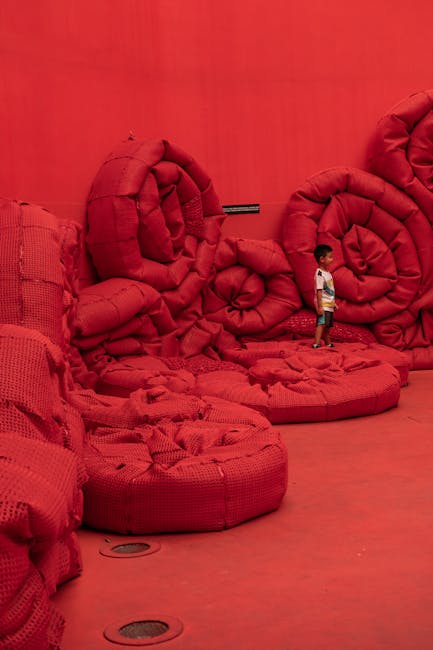






Introduction: Modern Florence for Little Explorers
Florence immediately conjures the Renaissance — Brunelleschi’s domes and Michelangelo’s marbles. But tucked behind that historic scenery, the city also hides spaces where contemporary art is alive and thinking, where modern creativity chats with medieval façades, and where children can discover the present without losing sight of the past. This guide maps out a practical, family-friendly route for parents, teachers and curious youngsters keen to explore Florence’s modern side — museums, foundations and hybrid venues where painting, sculpture, design and fashion meet.
The approach is immersive: sensory descriptions, exact addresses, opening hours, prices in euros and local tips to make the most of each visit. The goal isn’t just to list places, but to give you tools to spark a child’s curiosity — how to turn an exhibition room into a playground for discovery, which workshops to pick, how to plan snack breaks, and what little stories to tell that make the visit memorable.
Modern Florence is best discovered by walking between historic squares and inner courtyards, moving from a contemporary sculpture museum set inside a deconsecrated church to a house-museum dedicated to fashion that reimagines luxury as living art. Kids love the contrasts: a 15th-century palace hosting a light installation, a cloister converted into an exhibition space, or an old train station turned into a colorful cultural hub. These juxtapositions fire the imagination and create great teaching moments.
This guide highlights family-friendly spots and venues aimed at young audiences: Museo Novecento (20th-century art), Museo Marino Marini (modern sculpture in a church), Strozzina at Palazzo Strozzi (contemporary art and workshops), Gucci Garden (fashion and immersive set design), Museo Salvatore Ferragamo (design and shoes as artworks), and, on the edge of the city, the Centro per l’arte contemporanea Luigi Pecci in Prato. For each place you’ll find the exact address, ticket prices, opening hours and practical tips — how to book, the best time slots to avoid crowds, where to grab a snack, and free or discounted activities for kids.
Before you set off, one practical tip: pack a small « curiosity kit » — a sketchbook and pencils, a child-sized magnifying glass to study textures and details, and headphones for audio guides. Schedule breaks in nearby gardens or cafés because modern art is more rewarding when discovery is punctuated by play and conversation. Now, follow us into Florence’s contemporary rooms, where little explorers make big discoveries.

Museo Novecento — an educational dive into 20th-century art
Museo Novecento is a must for understanding how Italy and Tuscany interpreted the artistic languages of the 20th century. Located on Piazza Santa Maria Novella, the museum occupies a modern architectural complex designed to create smooth flows between paintings, drawings and sculptures. Exact address: Museo Novecento, Piazza Santa Maria Novella 10, 50123 Firenze. The museum offers permanent collections and rotating exhibitions mixing local and international names.
Hours and prices (for guidance — check before you go): usually open Tuesday to Sunday from 10:00 to 18:00, closed on Mondays. Full price: around €6, reduced (students, seniors, youth): around €3, and free admission sometimes available for under-18s depending on the exhibition. Combined tickets with other municipal museums are sometimes offered at a discount.
Why it’s great for kids: the collections show contrasting styles — realism, futurism, a renewed neoclassicism — which lends itself to observation games: hunt for the dominant color, identify materials (oil, canvas, bronze) and draw a favorite piece in fifteen minutes. The museum regularly runs educational workshops and family guided tours (booking recommended). For little explorers, the layout is designed to bring artworks closer without feeling intimidating.
Practical tips: arrive early (10:00–11:30) to enjoy quieter rooms. If weather allows, pair the visit with a stop at the Biblioteca delle Oblate (via dell’Oriuolo) for a snack on their café terrace with a Duomo view. Strollers are generally allowed but some rooms can be narrow — consider a baby carrier for toddlers. Check the official site for free days or family workshops to find activities suited to your child’s age.

Museo Marino Marini — sculptures in a repurposed church
Museo Marino Marini is housed in the former church of San Pancrazio and showcases the works of Italian sculptor Marino Marini (1901–1980). The unusual setting lets children feel the meeting of sacred space and modern art: bronze riders converse with the church’s architectural volumes. Exact address: Museo Marino Marini, Piazza San Pancrazio 1, 50123 Firenze. The site includes indoor rooms and an outdoor sculpture garden where kids can move around and view works from different angles.
Hours and prices (for guidance): usually open every day except Monday, from 11:00 to 19:00. Full price about €8, reduced about €5, family tickets available depending on the exhibition. Audio guides and child activity sheets are sometimes offered at the front desk.
Immersive description: stepping inside, you first notice the volume of the old nave and then the sculptures, often warmed by sunlight filtering through stained glass or the cloister opening. Marini’s riders, with their powerful, sometimes mysterious lines, are great conversation starters about emotions in art: what gestures do they show? What story do these silent figures tell? Kids love inventing tales around the sculptures, turning a statue into a storybook character or sketching the movement captured in bronze.
Practical tips: plan a short, focused visit (45–60 minutes) to keep children’s attention. The outdoor garden is perfect for an observation game — hide elements or set up a mini treasure hunt with visual clues (colors, shapes). Nearby, Gelateria della Passera (via Toscanella, a few minutes’ walk) serves artisan gelato, a delicious reward after the visit.
Strozzina — Palazzo Strozzi and participatory contemporary art
Strozzina is the contemporary heart of Palazzo Strozzi, located on the bustling Piazza degli Strozzi. Exact address: Palazzo Strozzi, Piazza degli Strozzi, 50123 Firenze (the main entrance and information for Strozzina are inside the palace). Strozzina presents temporary contemporary art shows often designed to interact with visitors, and runs educational programs for families and schools.
Hours and prices (varies by exhibition): Palazzo Strozzi is usually open Monday to Sunday from 10:00 to 20:00 (with extended hours on Fridays sometimes). Prices depend on the show: for a major exhibition expect €12–€16 full price, with reductions for youth and students. Strozzina frequently hosts free or low-cost events for children — workshops, family tours and playful trails.
Atmosphere and activities: entering Palazzo Strozzi, you feel history and contemporaneity living side by side. The palace’s large courtyards sometimes host monumental installations, video works and performances. Parents will appreciate the curatorial and educational quality of the shows, while kids can enjoy sensory workshops: building a mini-installation, handling materials (paper, cardboard, light) or taking part in illustrated story readings connected to the artworks.
Local tips: book tickets online for headline exhibitions to skip the queues. Take advantage of the pedagogical routes available at the welcome desk; there are often game booklets in Italian and English. After the visit, wander Piazza degli Strozzi and take in the façades, artisan shops and street performers — excellent opportunities to explain how art lives in the city. For a sheltered snack, the palace café-restaurant offers simple dishes and pastries suitable for children.
Gucci Garden and Museo Salvatore Ferragamo — fashion, design and storytelling for kids
Fashion is art. In Florence, two spots let you approach textile design and scenography as accessible artistic languages for children. Gucci Garden is located at Piazza della Signoria 10/r, 50122 Firenze. It combines a museum, shop and experimental restaurant: colorful scenographies, historic pieces and immersive installations. Hours and prices: generally open from 9:00 to 20:00; combined museum/shop tickets around €15 for the permanent exhibition, with reductions for youth and groups.
The Museo Salvatore Ferragamo, dedicated to the history of shoe design, is at Via dei Tornabuoni, 2, 50123 Firenze. Hours and prices: roughly 10:00–18:00, closed some days; full price around €7, reduced for students and young people. Both museums are full of visual stories: sketches, materials, vintage shoe boxes, advertisements and archival films that captivate children’s attention.
Why bring kids? These museums make tangible the transformation from idea to object: how a sketch becomes a shoe, how color and pattern tell a story. Turn the visit into a workshop: invent a logo, sketch the shoe of the future, or build a small display case from cardboard. Gucci Garden sometimes hosts very visual themed shows that are perfect for sparking imagination.
Practical tips: book Gucci Garden in advance, especially in high season; the upstairs restaurant offers family-friendly menus. At Museo Salvatore Ferragamo, ask for multimedia kiosks and short videos to keep younger visitors engaged. Both sites sit near elegant shopping streets (Via dei Tornabuoni, Via Calimala) — great for a post-visit stroll, but be mindful of traffic and shop windows that may distract small children.

Centro per l’arte contemporanea Luigi Pecci (Prato) — a contemporary family day out
A short train or car ride from Florence takes you to the Centro per l’arte contemporanea Luigi Pecci, a major contemporary art institution in Tuscany. Exact address: Centro per l’arte contemporanea Luigi Pecci, Via F. Ferrucci, 65, 59100 Prato (PO). The center hosts large exhibitions, film screenings, performances and educational workshops for children.
Hours and prices (for guidance): usually open Tuesday to Sunday from 11:00 to 19:00 (closed Mondays). Full price: around €10, reduced: about €6–€8, with family rates available. Pecci often programs activities specifically for young audiences — creative workshops, playful tours and performance-readings.
Why make the trip? Pecci offers a different scale: vast rooms, monumental installations and an innovative educational space. It’s a chance for kids to experience contemporary art in large format — lights, sounds, augmented reality and tactile devices. The journey from Florence can become a small adventure: watching the Tuscan landscape, having a picnic in a Prato park and visiting a local children’s bookstore.
Practical tips: plan an afternoon visit to combine it with a relaxed return to Florence. Check the Pecci website for children’s workshops and book in advance; some workshops have limited space. Wear comfortable shoes — the spaces are large and there’s lots to explore. Finally, add a hands-on activity after the visit (collage, painting) to extend the experience and help children process what they saw.

Conclusion: sparking curiosity, not just checking boxes
Visiting modern art museums in Florence with kids isn’t just ticking off names on a tourist list: it’s building a sensory and narrative route that links past and present. The venues covered — Museo Novecento, Museo Marino Marini, Strozzina at Palazzo Strozzi, Gucci Garden, Museo Salvatore Ferragamo and the Centro per l’arte contemporanea Luigi Pecci — offer varied approaches: from 20th-century painting to bronze sculpture, from fashion scenography to shoe design, up to large-scale contemporary installations.
For families, a few simple rules turn a visit into a success: plan short, targeted time slots (45–90 minutes depending on age), alternate exhibition time with free play (garden, park, snack), use playful tools (notebooks, photo challenges, activity sheets) and prioritize museum-led workshops. Always check opening hours and prices in advance — temporary shows can change times and fees. Don’t hesitate to ask museum staff for child-friendly suggestions: most institutions offer educational materials or family activities.
Florence, rich in history, is also a city where modern art finds surprising homes. By guiding little explorers to these places you give them sensory experiences, visual stories and chances to imagine. Each museum becomes a workshop of ideas: how a shape becomes a story, how a color evokes an emotion, how an everyday object can become a work of art. That ability to question and invent is what turns a visit into real learning — and it might be the best souvenir you bring home from a trip to Florence.