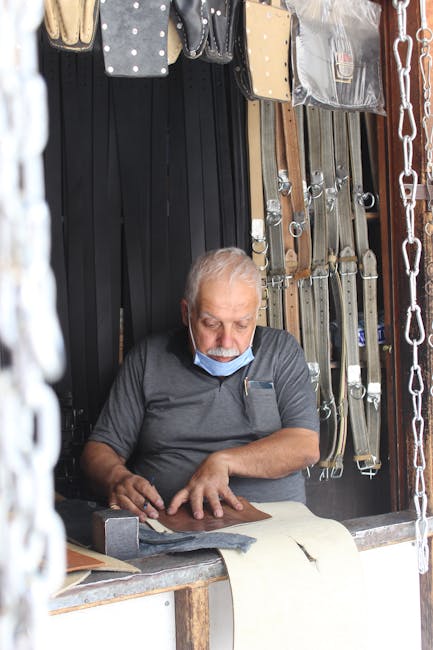






Introduction: Why Florence Is the Capital of Artisan Belts
Florence is more than an open-air museum — it’s a historic leatherworking capital where craftsmanship thrives. Since the Renaissance, Florentine workshops have been turning hides into luxurious and everyday objects, and among those items the belt holds a special place: practical yet a sign of refinement. Strolling the cobbled streets of Florence, you’ll often pass shop windows showcasing patinated leather, finely crafted buckles, and contemporary designs inspired by the past. The best buys come from shops that blend tradition, top-quality materials, and personalized advice.
In this guide I’ll take you to the places that sell true Florentine belts: workshops still working by hand, luxury houses reinterpreting Tuscan style, and historic addresses where you can admire buttery leathers, unique dyes, and patient finishing. Each spot below includes the exact address, typical opening hours, a price range, and practical tips to help you choose — whether you’re after a sturdy everyday belt, a designer piece, or a gift.
Beyond the technical details — width, thickness, tanning method — I’ll share local tips: when to visit a workshop to see artisans at work, how to politely haggle, which colors work best with an Italian wardrobe, and how to request a made-to-measure adjustment. You’ll also find suggestions for pairing a belt purchase with a sightseeing route: finish with a coffee on the Piazza del Duomo or pick up your custom piece after a short walk along the Arno.
To enrich the guide I’ve added visual markers — evocative images — to help you picture materials, shop windows, and workshop scenes. Whether you love leather, collect accessories, or are a tourist wanting to take home a piece of Florence, this guide will help you buy wisely, directly from the city’s best addresses.
 Click here to Climb Brunelleschi’s Dome for panoramic views
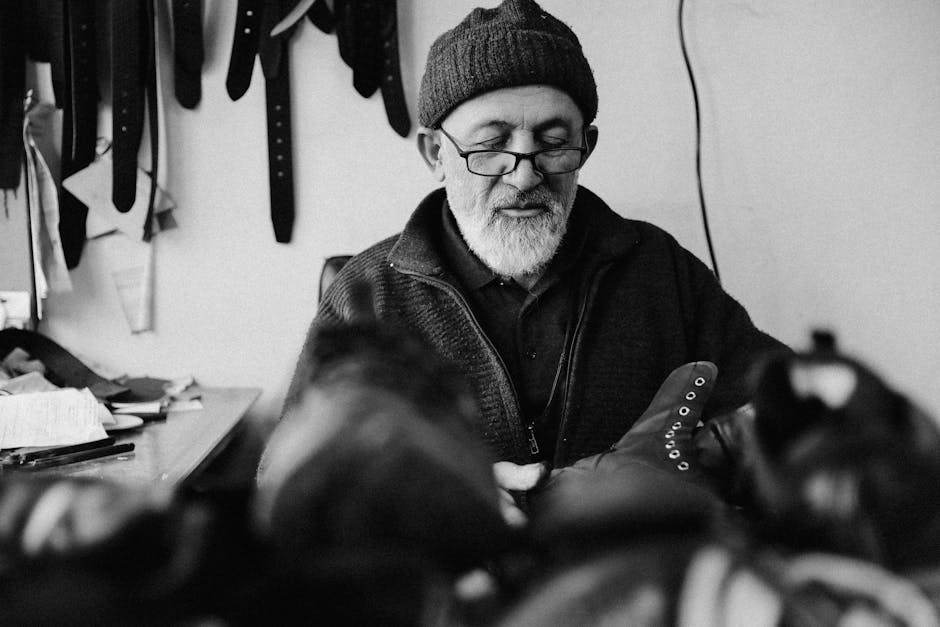
Scuola del Cuoio (Leather School and Workshop) — Craftsmanship and Bespoke Pieces
The Scuola del Cuoio is one of Florence’s best-known institutions for learning about and buying handworked leather. Housed in a former convent, this school-shop makes bespoke belts and offers unique artisanal pieces. Address: Piazza San Marco 4/R, 50121 Firenze. Opening hours: generally Tuesday to Saturday from 9:30 AM to 6:00 PM (closed Sundays and some public holidays). Price guide: simple belts start at about €80; made-to-measure or inlaid models run from around €150 up to €400 depending on the leather and buckle.
The visit is immersive: you enter a small courtyard and pass benches where artisans cut, dye, and stitch. Belts are often calfskin or full-grain cowhide, tanned using traditional methods. Buckles are sometimes made on-site or sourced from small Italian foundries. A basic full-grain belt (about 3.5 cm wide) costs roughly €90–120, while a hand-patinated, bespoke belt can reach €250–350.
Practical tips: come in the morning to see the craftsmen at work; ask for a fitting so the length can be adjusted before the final cut; choose full-grain leather for spectacular aging — it will develop a beautiful patina over time. If you want initials (a monogram), request it at purchase — embossing costs around €10–20 extra. Payment: cash accepted; credit cards are widely accepted.
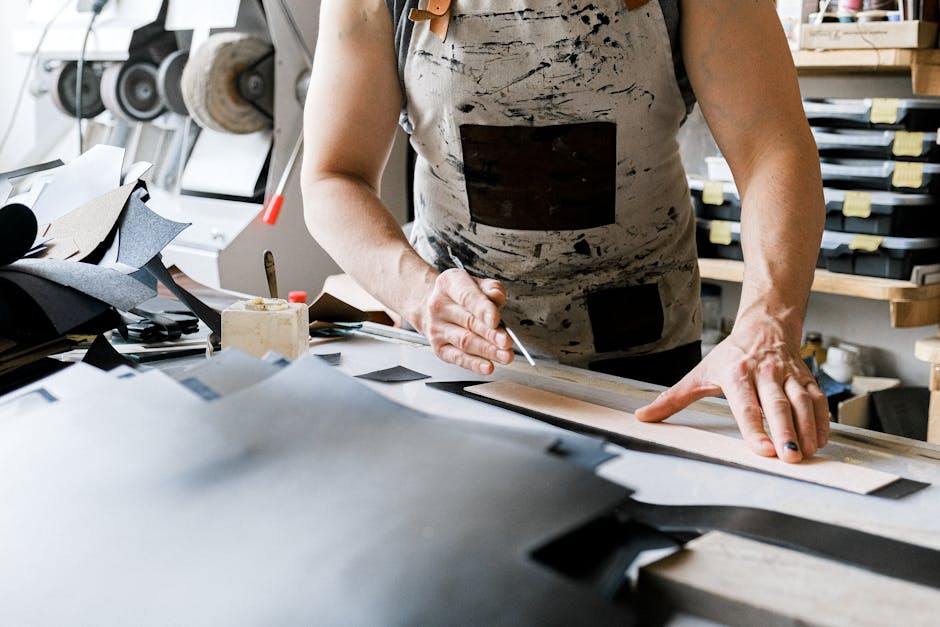
Gucci Garden Boutique — Design, History and Luxury Belts
For an upscale shopping experience that blends Florentine history with contemporary design, head to the Gucci Garden, located in one of Florence’s emblematic sites: Piazza della Signoria 10, 50122 Firenze. Hours: typically open daily from 10:30 AM to 7:00 PM (times may vary by season). Prices: Gucci belts start at around €250 for simple models and can exceed €700–900 for iconic or limited-edition pieces.
The Gucci Garden is more than a shop: it’s a museum-concept space imagined by the fashion house. Their belt selection includes signature creations — GG buckles, embossed leathers, and special editions drawing on Florentine and Tuscan motifs. Staff are trained to advise on fit, style, and care. Materials are premium: soft leathers, fine linings, and chromed or plated buckles.
Practical tips: if you need an unusual size, ask staff about inter-store reservations or sourcing services. Prices are higher than local ateliers, but you get polished packaging and the brand’s warranty. To avoid crowds, visit early after opening or late afternoon. Card payment recommended; tax refund options available for non-EU visitors.
Click here to Book skip-the-line Palazzo Vecchio entry and audio guide
Officina Profumo-Farmaceutica di Santa Maria Novella — Exceptional Objects and Standout Belts
Better known for its perfumes and skincare, the Officina Profumo-Farmaceutica di Santa Maria Novella nonetheless offers a selection of high-quality leather accessories, sometimes made in collaboration with local artisans. Address: Via della Scala 16, 50123 Firenze. Hours: generally Monday to Saturday 9:00 AM–7:00 PM, Sunday 10:00 AM–6:00 PM. Prices: leather goods and belts range from about €60 to €300 depending on style and series.
The shop-museum, set in a historic cloister near the Santa Maria Novella basilica, has a unique atmosphere: marble, antique display cases, and a characteristic scent of herbs and resins. The belts sold here are often conceived as elegant accessories to complement a refined outfit: smooth leather, careful finishes, sometimes adorned with a discreet logo or a motif inspired by the Officina’s historical archives.
Practical tips: pair a belt purchase with a fragrance — staff can suggest which belts best match a ceremonial outfit or suit. If you want a typical but refined Florentine gift, choose a belt packaged with an Officina fabric pouch. Card payment accepted; tax refunds available for non-EU visitors.
Click here to Reserve skip-the-line tickets for Santa Maria Novella
Salvatore Ferragamo Boutique and Museum — Leather Tradition Meets Italian Design
The Salvatore Ferragamo house is deeply linked to Italy’s fashion history, and its presence is felt in Florence. The Museo Salvatore Ferragamo and the boutique are located in Palazzo Spini Feroni, Piazza Santa Trinita 5/R, 50123 Firenze. Boutique hours: generally 10:00 AM–7:00 PM; the museum hours vary, often 10:00 AM–6:00 PM. Prices: Ferragamo belts typically range from €180 to €600 depending on leather, buckle, and collection.
Ferragamo belts stand out for leather quality and distinctive buckles, sometimes reworked from historical archives. The shopping experience is refined: specialized staff, alteration services (additional holes, buckle changes), and elegant packaging. The neighboring museum helps you understand Ferragamo’s stylistic evolution and enriches the shopping experience with historical context.
Practical tips: ask to see archive models for inspiration; if you’re torn between widths, consider your wardrobe: 3 cm for a chic, discreet look; 3.5–4 cm for a more contemporary statement. Ferragamo boutiques often offer engraving or discreet leather stamping services.
Click here to Book entry to Pitti Palace and Boboli Gardens
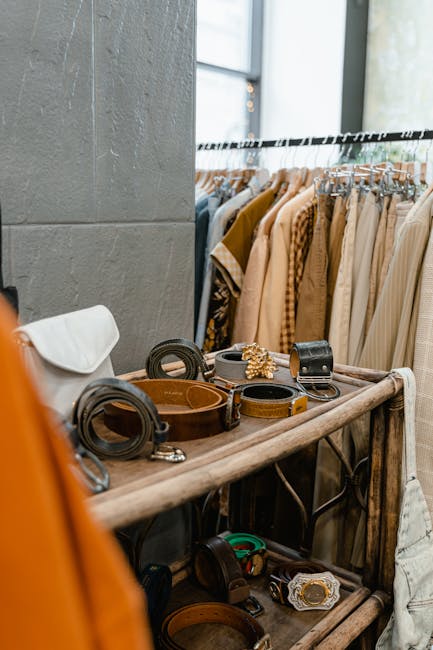
Practical Tips for Choosing and Caring for a Florentine Belt
Buying a belt in Florence isn’t just an aesthetic choice: you’re often purchasing a piece that should last for years. Here are concrete local tips to help you choose well and care for your belt.
- Fitting: always try the belt on with the trousers you wear most. A good belt should fit around the third hole or so.
- Type of leather: favor full-grain leather for durability and patina. Nubuck or suede is beautiful but requires more care.
- Buckle: pick between a removable buckle (more flexible) or a fixed buckle (more classic). Plated buckles are less resistant to salt and moisture; opt for stainless steel for daily wear.
- Colors: for versatility, choose dark brown (very adaptable) or black (formal). Cognac and tan tones are typically Tuscan and develop a lovely patina.
- Care: light polishing and leather cream every 6–12 weeks depending on use; avoid water and avoid storing the belt folded. For stains, return to the workshop where you bought the belt.
- Haggling and tax refund: in artisanal workshops, bargaining isn’t customary but politeness and interest in the craft go a long way. For non-EU visitors, request tax-free (VAT refund) at the time of purchase for reimbursement at the airport.
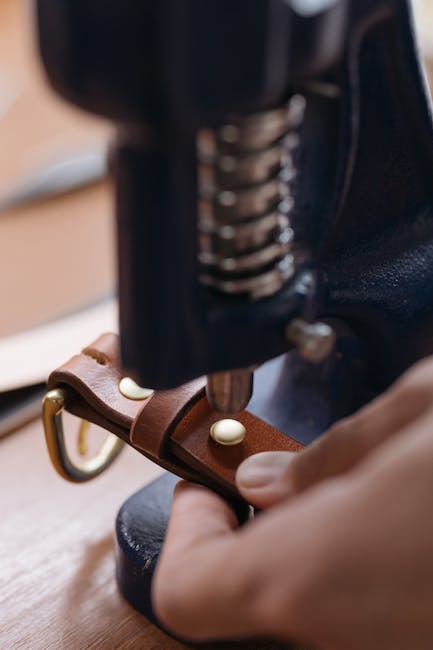
Transport and Packaging
If you’re flying home, choose rigid packaging (a box) in your carry-on if the belt is fragile or very expensive. Most high-end shops provide a box and gift bag. For artisanal purchases, ask for a fabric dust bag to protect the leather during transit.
Conclusion: Take a Piece of Florence Home — Around Your Waist
Buying a belt in Florence is more than picking up an accessory: it’s taking home a fragment of the city’s craftsmanship and history. From ateliers like the Scuola del Cuoio to luxury houses on historic squares and the unique offerings of Officina Santa Maria Novella, each address delivers a different experience — from authentic bespoke work to couture design. The places listed here will guide you to confident purchases, with practical info: exact addresses, usual hours, price ranges, and care tips.
Click here to Reserve skip-the-line Accademia tickets to see David
To make the most of your visit: plan shopping in the morning to watch artisans at work; favor full-grain leather if you want a piece that will age beautifully; ask about adjustment or stamping services to personalize your belt; and keep your receipt for any later alterations or for the tax refund. Finally, take a moment to enjoy an espresso in a Florentine square after your purchase — your belt will become a tangible memento of a stroll, a conversation with a craftsman, or a discovery in one of the world’s finest workshops.