





Introduction
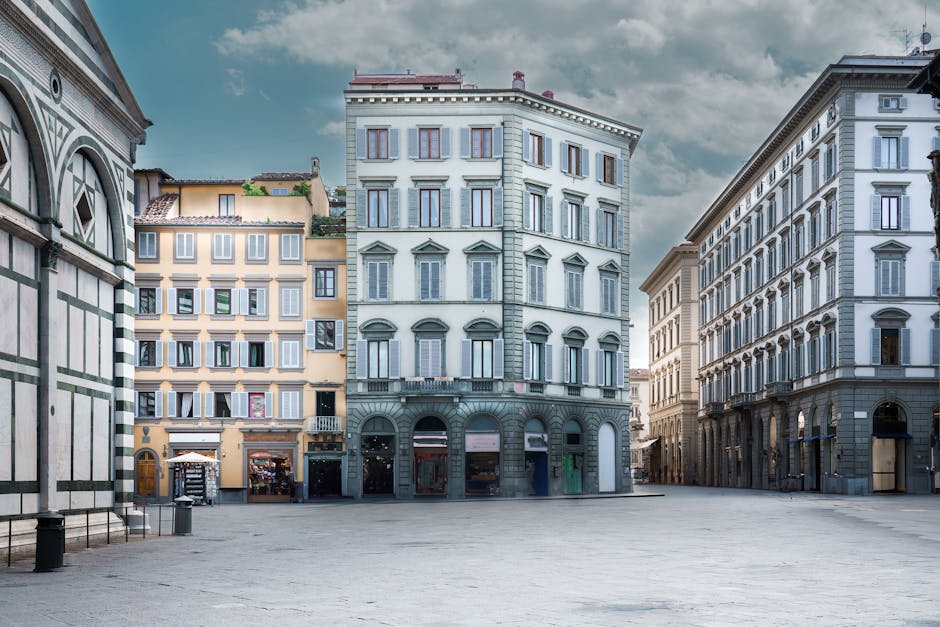
Florence, the cradle of the Renaissance, is a city where art and history are written into every stone. A cultural day in and around Florence is far more than a checklist of masterpieces on the wall: it’s a full sensory experience blending paintings, sculptures, Arno views, sculpted gardens and the lavish interiors of historic villas. Start in central museums to admire Botticelli, Michelangelo or Leonardo da Vinci, then cross a bridge to breathe in medicinal herbs, stroll through monumental groves and take in a landscape shaped by powerful patrons and visionary artists.
Think of this cultural day as a paced walk: morning visits to must-see museums for close encounters with masterpieces; lunch at a cozy trattoria or historic café; and an afternoon immersed in the elevated villas and gardens that overlook the city, offering fresh perspectives on roofs and Tuscan hills. Beyond the famous sites you’ll notice the little things — carved capitals, recent restorations, the stories of families like the Medici or the Strozzi — that give Florence its special intensity.
To make the most of your visit, practical details are essential: exact addresses, opening hours, ticket prices and tips to avoid queues or catch the best light for photos and quiet contemplation. This guide lays out a complete route with stops at major museums like the Galleria degli Uffizi and the Galleria dell’Accademia, followed by walks through nearby villa-gardens — Boboli, Villa La Petraia and Giardino Bardini — showing how landscape architecture complements monumental buildings.
Whether you’re a traveler pressed for time who wants to capture the essentials in one day, or a devoted art-lover eager to linger, this guide gives precise itineraries, practical tips (booking, transport, accessibility) and local advice to make your day in Florence smooth and rewarding. Pack comfortable shoes, your camera, and maybe printed tickets: Florence awaits — magnetic and ready to share its treasures.
Must-see museums in the heart of Florence
Florence hosts the essential museums to understand the Renaissance. Three main stops that work well together in the morning are the Galleria degli Uffizi, the Galleria dell’Accademia and the Palazzo Vecchio. Each offers a different kind of experience: sweeping artistic panoramas, direct confrontation with sculpture, and immersion in Florence’s medieval civic power.
Galleria degli Uffizi
Address: Piazzale degli Uffizi, 6, 50122 Firenze FI.
Opening hours: generally open Tuesday to Sunday, 8:15 AM to 6:30 PM (closed Mondays; times may change for temporary exhibitions).
Typical price: standard ticket around €20 – €24 (reduced rates and free entries depending on age/status; online booking fee may apply).
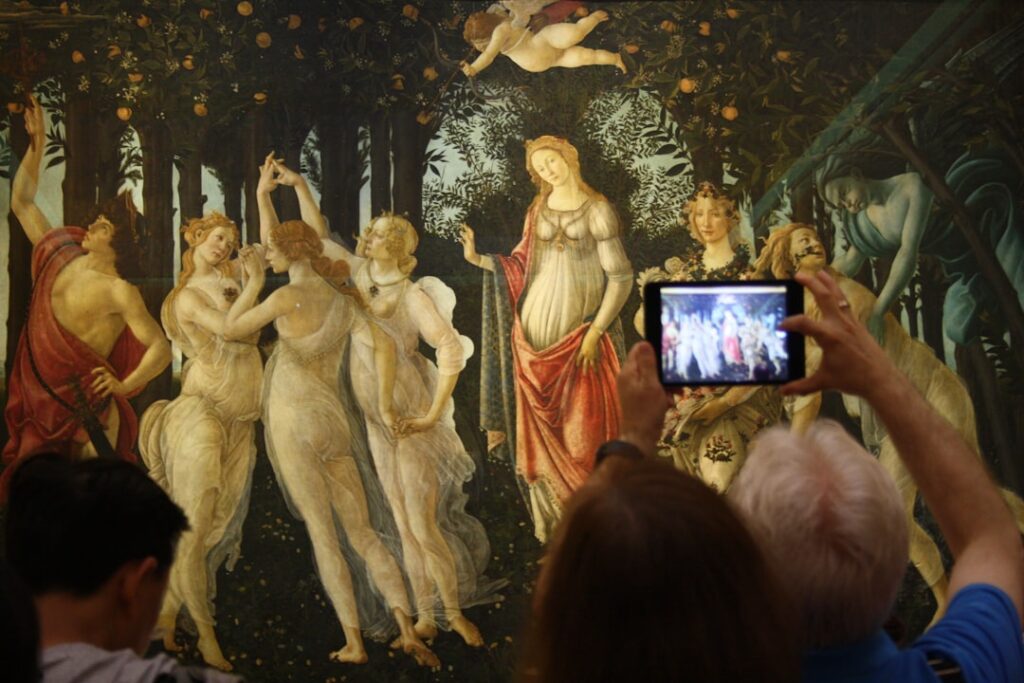
Description: The Uffizi are less a conventional gallery than a chronological journey where Italian and European paintings converse. See Botticelli (Primavera, The Birth of Venus), Leonardo da Vinci, Raphael and Titian in rooms designed to let the paintings breathe in filtered natural light. The experience is immersive: decorated ceilings, rooms opening onto Arno views and the Ponte Vecchio, and informative panels. Photographers should aim for early morning or late afternoon for softer light and fewer visitors.
Galleria dell’Accademia
Address: Via Ricasoli, 58/60, 50122 Firenze FI.
Opening hours: usually open Tuesday to Sunday, 8:15 AM to 6:50 PM (closed Mondays).
Typical price: standard ticket around €12 (discounts for youth and cultural cards; booking recommended).
Description: The Accademia is synonymous with Michelangelo: the famous David dominates the main hall, offering visitors an almost intimate encounter with the sculpture. You can see tool marks on the marble and sense the scale and process of creation. Beyond the David, the collection includes Florentine paintings, sculptures from the Gothic to Renaissance periods and a section dedicated to music. The museum is more compact than the Uffizi, making it ideal for a focused morning visit.
Palazzo Vecchio
Address: Piazza della Signoria, 50122 Firenze FI.
Opening hours: open most days from 9:00 AM to 7:00 PM (times vary by season and events).
Typical price: museum entry around €12 – €16 (tower access and monumental rooms sometimes extra).
Description: Once the seat of Florence’s republican power, Palazzo Vecchio blends a civic palace with a museum. Its private apartments, the famous Hall of the Five Hundred (Salone dei Cinquecento) decorated by Vasari, and Arnolfo’s tower offer a sweeping overview of the city. The visit is strongly contextual: frescoes, shields and palace fittings tell stories of family rivalries and show how art was used to serve political power.
 Click here to book your ticket for the Uffizi Gallery
Click here to book your skip-the-line ticket for the Accademia
Click here to book your skip-the-line ticket for Palazzo Vecchio
Click here to book your timed entry to the Uffizi Gallery
Click here to reserve your skip-the-line Accademia visit to see David
Click here to book your skip-the-line ticket for Palazzo Vecchio
Villas and gardens around Florence: fresh air and panoramas
In the afternoon, swapping museum rooms for open-air gardens is a perfect refresh. The Medici villas and their gardens offer a different kind of art: landscape architecture. Three sites stand out for their proximity to the city and the quality of their design: the Boboli Gardens, Villa La Petraia and the Giardino Bardini. Each offers a distinct angle — sculptures in situ, panoramic terraces, secret groves and views of the Duomo.
Giardino di Boboli (Boboli Gardens)
Address: Piazza Pitti, 1, 50125 Firenze FI.
Opening hours: generally open from 8:15 AM to 4:30/6:30 PM depending on the season (closing times vary).
Typical price: entry around €10 – €12 (may include the Porcelain Museum or Costume Gallery depending on options).
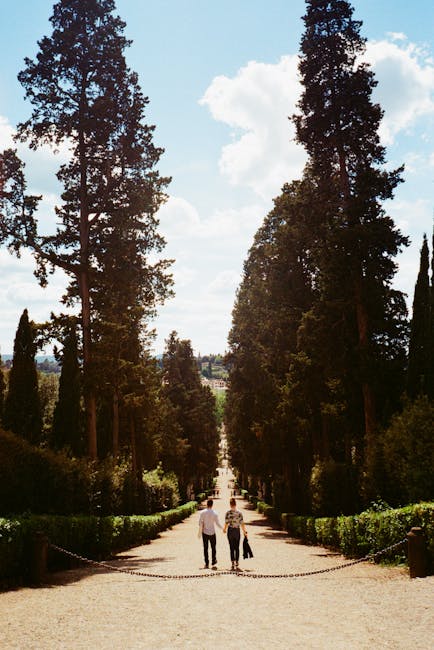
Description: Behind the Pitti Palace, Boboli is a masterpiece of Italian garden design with terraces, ancient statues, fountains and organized groves. Highlights include the large Amphitheatre, the Bacchino fountain and the Rape of the Sabine statue. Paths lead to the Limonaia terrace and the Belvedere Fortezza viewpoint, both offering panoramic views over Florence. Gravel walks, stone steps and floral beds reflect centuries of change and cultivated charm.
Click here to book your ticket for the Pitti Palace and Boboli Gardens
Click here to book your ticket for the Pitti Palace and Boboli Gardens
Villa La Petraia
Address: Via della Petraia, 1, 50124 Firenze FI.
Opening hours: open according to regional calendar, often 9:30 AM to 5:00 PM for guided or self-guided visits (check the Polo Museale della Toscana for up-to-date times).
Typical price: museum visit around €7 – €10 (reduced rates for students and seniors; sometimes included in passes).
Description: Located on the northwest hills overlooking the historic center, Villa La Petraia is one of the Medici villas. Its restrained façade hides richly decorated apartments, sculpted terraces and a terraced garden offering spectacular views over the Arno valley. This site reveals princely court life: period furniture, stucco decoration and hunting views combine to present a full picture of aristocratic living. It’s ideal for those who like mixing interior architecture with outdoor strolling.
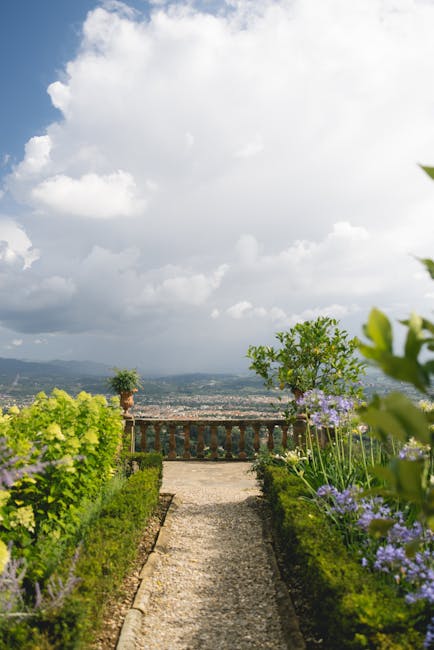
Giardino Bardini
Address: Costa San Giorgio, 2, 50124 Firenze FI.
Opening hours: generally open daily, mornings and late afternoons depending on season (often 10:00 AM–7:00 PM in high season).
Typical price: entry around €10 (often combined with Villa Bardini or temporary exhibitions).
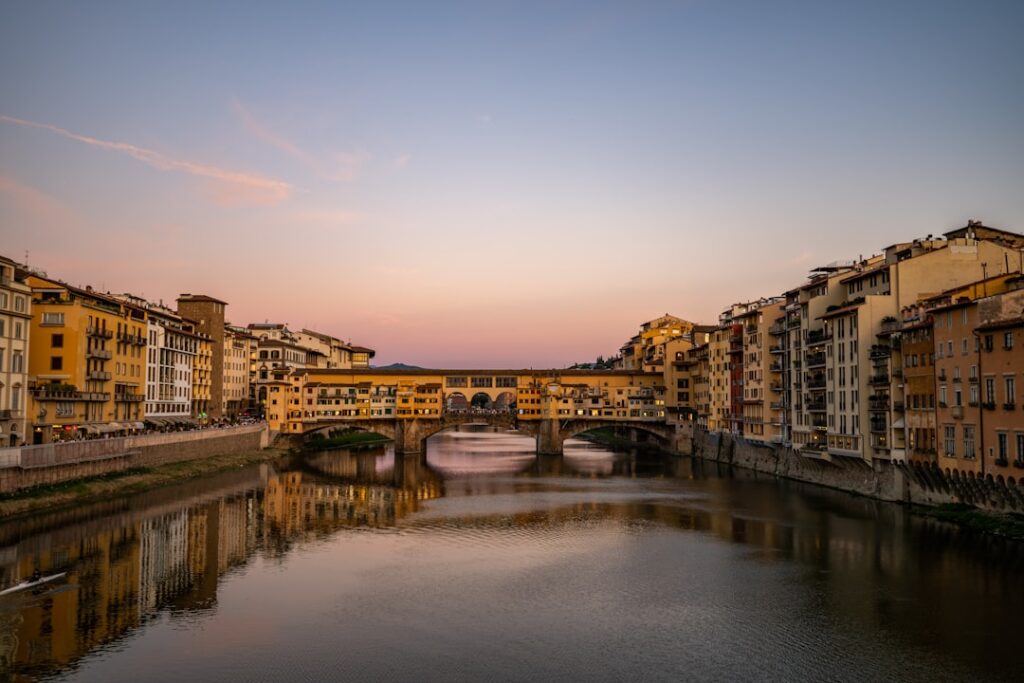
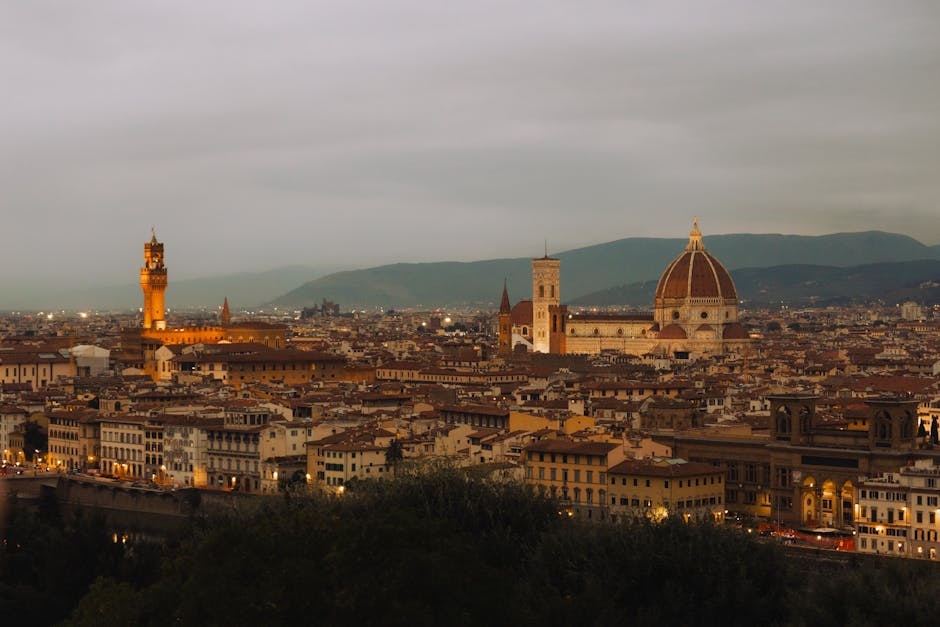
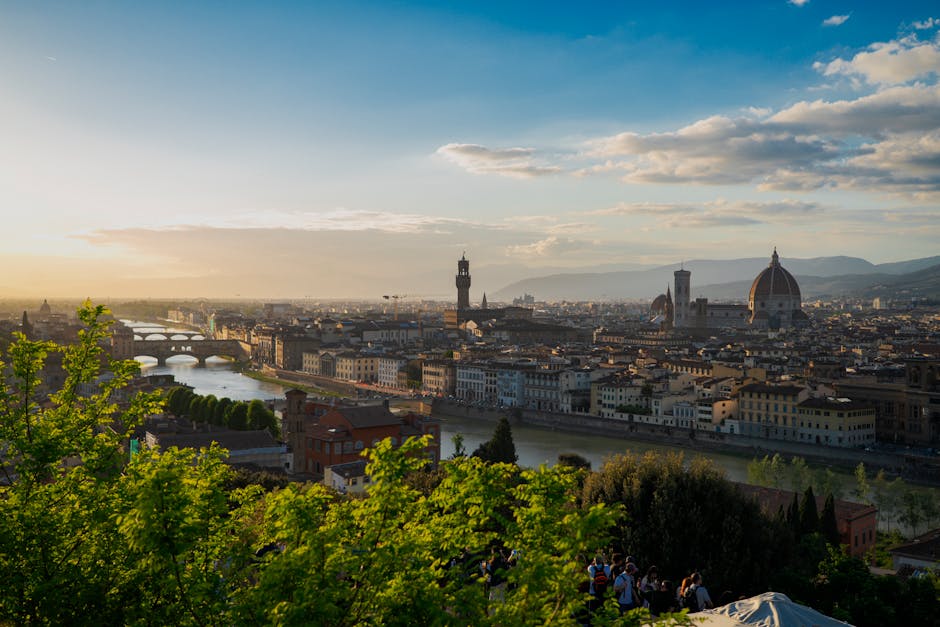
Description: Giardino Bardini is prized for its upper terrace with views over the Ponte Vecchio and the Duomo. You’ll find formal beds, pergolas and finely carved stairways that make the walk extremely photogenic. It’s a great spot for a coffee with a view or to end the day watching the sun set over Florence’s domes and bell towers.
Recommended itineraries for a cultural day
Here are three sample itineraries — intense, balanced and slow — to plan your day according to your pace and interests.
Intense itinerary (a full-day squeeze)
- 08:15 — Arrive at the Galleria degli Uffizi (Piazzale degli Uffizi, 6). Booking recommended for an 8:30 AM entry. Duration: 2 hours.
- 10:45 — Short walk to the Galleria dell’Accademia (Via Ricasoli, 58/60). Visit the David and adjacent rooms. Duration: 1h15.
- 12:30 — Lunch at a trattoria near the Mercato Centrale or close to the Duomo.
- 14:00 — Visit the Palazzo Vecchio (Piazza della Signoria) and climb the tower if you’re feeling fit. Duration: 1h30.
- 16:00 — Cross to the Oltrarno and stroll through the Giardino Bardini (Costa San Giorgio, 2) to catch sunset views.
- 18:30 — Dinner in the Santo Spirito area.
This route requires reservations and good walking shoes — bring water and time to rest.
Balanced itinerary (museums and gardens at a steady pace)
- 09:00 — Galleria degli Uffizi, a 2-hour guided visit (book an audio guide or a local guide).
- 11:30 — Coffee break on the Piazza della Signoria.
- 12:15 — Light lunch near the Arno.
- 14:00 — Boboli Gardens (Piazza Pitti, 1) for a 2-hour walk, then visit Palazzo Pitti if desired.
- 17:30 — Aperitivo on a terrace in the Oltrarno.
Slow itinerary (deep discovery and photography)
- 09:30 — Accademia for a small-group visit and close-up photography.
- 11:30 — Leisurely stroll to the Sant’Ambrogio market for lunch among locals.
- 14:30 — Villa La Petraia to explore terraces and the villa in detail — perfect for garden photographers.
- 17:30 — Finish at Giardino Bardini to capture evening light on the Ponte Vecchio.
Local practical tips: tickets, transport, hours and dining
The success of a cultural day often comes down to logistics. Here are local practical tips to optimize your visit.
Tickets and bookings: for most museums mentioned, online booking is highly recommended, especially in high season (April–October). Skip-the-line tickets for the Galleria degli Uffizi and the Galleria dell’Accademia will significantly reduce waiting times: expect to pay a few euros extra for reservation services. Also look into combo tickets (e.g., Palazzo Pitti + Boboli) which can be economical if you plan both. Opening times can change due to temporary exhibitions or local holidays, so always check official sites before you go.
Click here to book your ticket for Brunelleschi’s Dome ascent
Transport: the historic center is compact and best explored on foot. Villas up on the hills (La Petraia) may require a bus (local ATAF lines) or a taxi if you want to save energy. The bus network is reliable; buy a ticket before boarding at kiosks/tabacchi or via the ATAF app. For more comfortable trips between farther sites, taxis (bookable by app or phone) are convenient but pricier.
Hours and seasons: most museums open between 8:15 and 10:00 AM and close between 5:00 and 7:00 PM. Florence is very busy in summer and during school holidays; aim for spring (April–May) and autumn (September–October) for fewer crowds and ideal light. In winter the gardens are less florid but much quieter.
Accessibility: several museums (Uffizi, Accademia) offer access for visitors with reduced mobility, but some historic palaces and villas still have narrow staircases and slopes. Check ahead: sites often provide elevators or alternative routes, though historic terraces may remain challenging.
Dining: avoid restaurants right next to major tourist sites if they display inflated prices and mediocre food. Favor trattorie in San Lorenzo, Santo Spirito or Sant’Ambrogio for authentic Tuscan dishes (ribollita, bistecca alla fiorentina, crostini). For a quick coffee, Italian bars serve excellent standing espressos at reasonable prices; for a longer break, look for a terrace with a view over the Arno or the gardens.
Photo tips: respect no-flash and no-tripod rules inside museums. For gardens and panoramic views, the golden hour (the last hour before sunset) gives the best light. Bring a light windbreaker: exposed terraces can be breezy even in summer.
Conclusion
A cultural day that mixes museums and villas around Florence can take many forms, but they all share a common thread: the encounter between artwork and its setting, between political history and the pleasure of panoramas. Start with museum collections — Uffizi for painting, Accademia for sculpture, Palazzo Vecchio for civic history — then let the gardens and Medici villas show you how Florentines cultivated both the landscape and artistic taste.
By following a few practical rules — book tickets, pick the right time of day, walk to soak up each street, and know where to enjoy local food — you’ll turn a simple visit into a deep and lasting experience. The addresses and times provided here will help you plan without surprises, but remember flexibility is your friend: lingering longer before a painting that moves you or detouring to a small forgotten church can become the highlight of your day.
In the end, Florence is discovered in layers: visible works, designed gardens, family histories and architectural details. Combining museums and villas gives you a fuller reading of the city, sometimes intimate, sometimes panoramic. Whether you leave with photos, culinary memories or a notebook full of impressions, this cultural day will remain a treasured slice of a city that continues to fascinate and inspire. Enjoy your journey and happy discoveries!