




Introduction: Florence between Gardens and Museums — a Sensory Stroll
Florence, the cradle of the Renaissance, unfolds like a richly illuminated manuscript. Every page is a monument, every fountain rim a story; yet to truly capture the city’s spirit you need to alternate leafy breaks with museum immersion. Parks give you breathing space — panoramas of Brunelleschi’s dome, shaded paths, tucked-away sculptures — while museums concentrate history, painting and sculpture in rooms where time seems to stand still. Pairing parks and museums in Florence isn’t a luxury: it’s a smart way to balance emotion, fatigue and visual intensity.
The ideal walk blends the tactile feel of a cypress-lined avenue with the visual punch of a Botticelli painting; it pairs the quiet of a bench in the Giardino di Boboli with the artistic density of the Galleria degli Uffizi. Practically speaking, that means pacing yourself: start the day with a short wait at a busy museum to see a masterpiece in relative calm, then head to a park for lunch and a spiritual digest. There are also practical things to know: varying opening hours, skip-the-line tickets, occasional closures, and rules about eating in gardens.
In this comprehensive guide I offer a suggested route and precise practical details (full names, exact addresses, approximate prices in euros, opening hours) to plan a professional yet enjoyable parks + museums combo in Florence. You’ll find immersive descriptions of iconic spots: Galleria degli Uffizi, Galleria dell’Accademia, Giardino di Boboli, Palazzo Pitti, Museo dell’Opera del Duomo, Museo Nazionale del Bargello, Museo Galileo. At each stop I share local tips — where to get tickets, the best arrival times to avoid crowds, which bench to choose in a park for the best view — so your visit runs smoothly and stays memorable.
Before you go, keep in mind: Florence is best explored on foot; distances between museums and parks are often short but hilly. Bring good walking shoes, a reusable water bottle (public fountains provide drinking water), and allow time to get pleasantly lost in the side streets. This guide will help you build balanced days where art and nature respond to one another, creating a deeper, less exhausting experience of the Tuscan capital.
Galleria degli Uffizi and the Arno Banks: Old Masters and Urban Walks
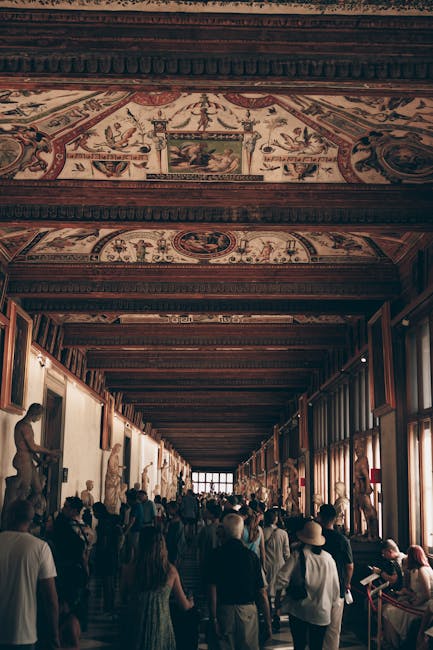
The Galleria degli Uffizi (address: Piazzale degli Uffizi, 6, 50122 Firenze FI, Italia) is one of Italy’s most visited museums, famed for paintings by masters like Botticelli, Leonardo, Michelangelo and Caravaggio. Opening hours: generally Tuesday to Sunday 8:15–18:30, closed on Monday (check the official website for exceptional closures). Indicative price: standard ticket from €20 (price varies with reservations and temporary exhibitions). It’s strongly recommended to buy a skip-the-line ticket in advance to avoid long queues at the entrance.
After the Uffizi, the stroll along the Arno toward the Ponte Vecchio is almost a gallery in itself. The bridge, lined with goldsmiths’ shops, looks best at dusk when pastel façades mirror in the water. For a post-visit break, look for a café with a terrace on the left bank for a caffè ristretto or a light aperitivo.
- Practical tip: arrive at opening if you want to photograph the Botticelli rooms with fewer people.
- Access: tram T1 stop Porta al Prato or ATAF bus lines 6 and 23 depending on your origin; the historic centre is mostly pedestrian.
- Safety: the area around the Ponte Vecchio is popular with pickpockets — keep bags and phones close to your body.
 Click here to book your ticket to the Uffizi Gallery
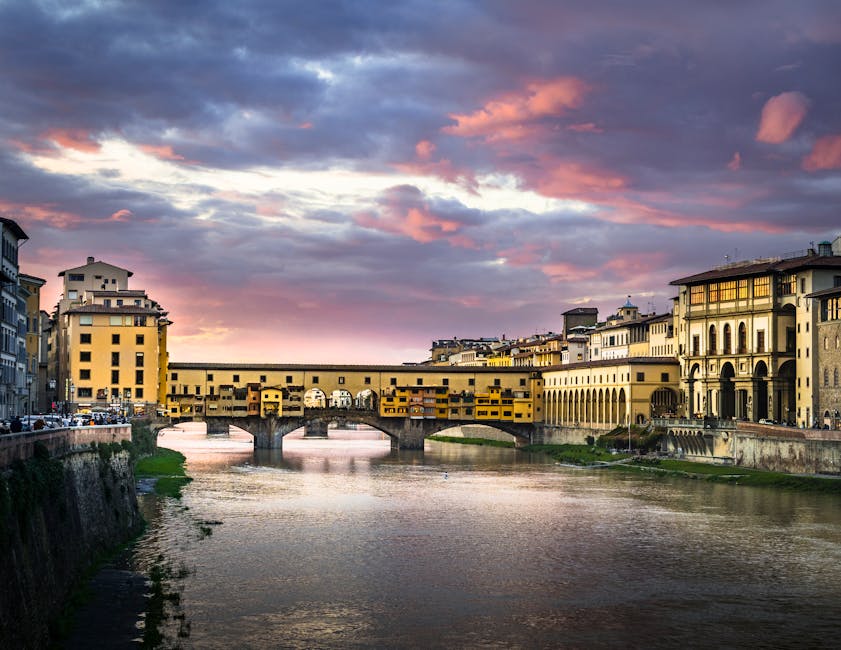
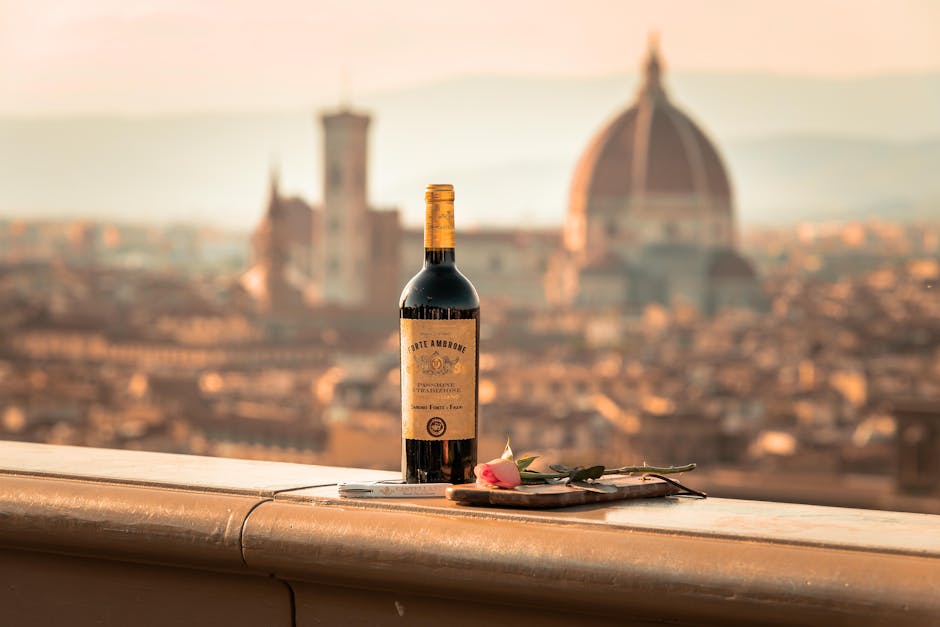
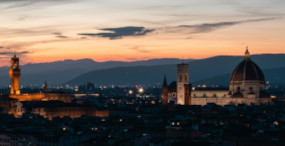
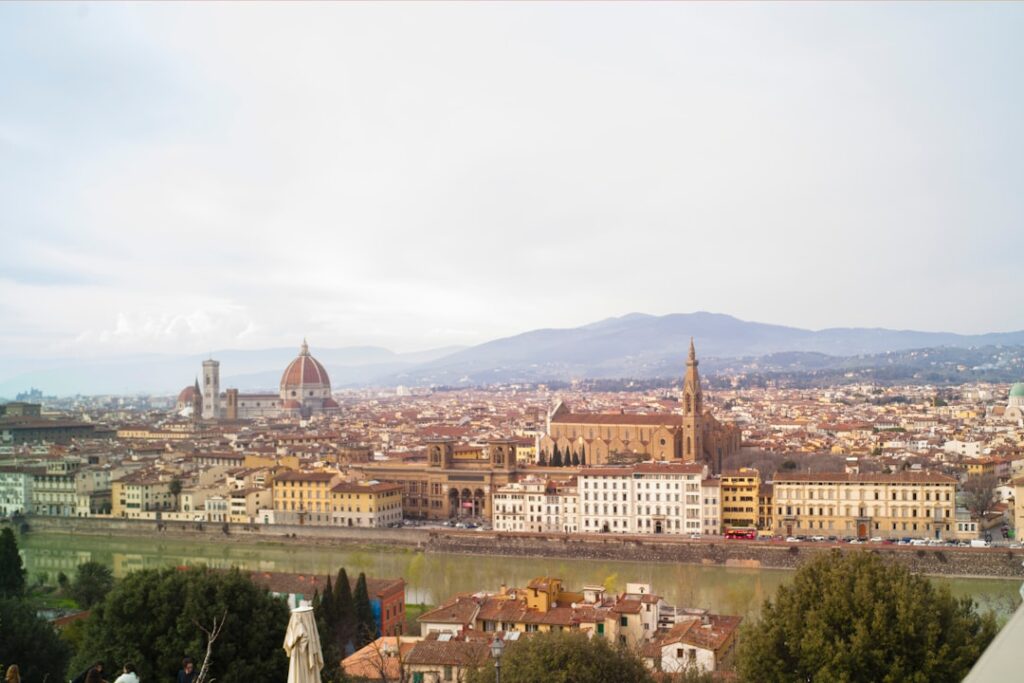
After your art fix, a bright idea is to cross the Ponte Vecchio and climb up to Piazzale Michelangelo for a spectacular panorama of Santa Maria del Fiore and the Palazzo Vecchio. This walk turns a dense morning into a contemplative afternoon — perfect for digesting the emotional impact of what you’ve seen.
Palazzo Pitti and Giardino di Boboli: Nobility and Nature South of the Arno
The Palazzo Pitti (Piazza de’ Pitti, 1, 50125 Firenze FI) and the Giardino di Boboli (main entrance via Piazza Pitti) form a stately pair. The palace, home to the Medici and later the Grand Dukes of Tuscany, hosts several museums (Galleria Palatina, Museo delle Carrozze, Museo degli Argenti). Palazzo Pitti opening hours: often Tuesday to Sunday 8:15–18:50 (check specific sections). Combined rates (Palazzo + Boboli) indicative: from €16–€20, depending on reductions and guided tours.
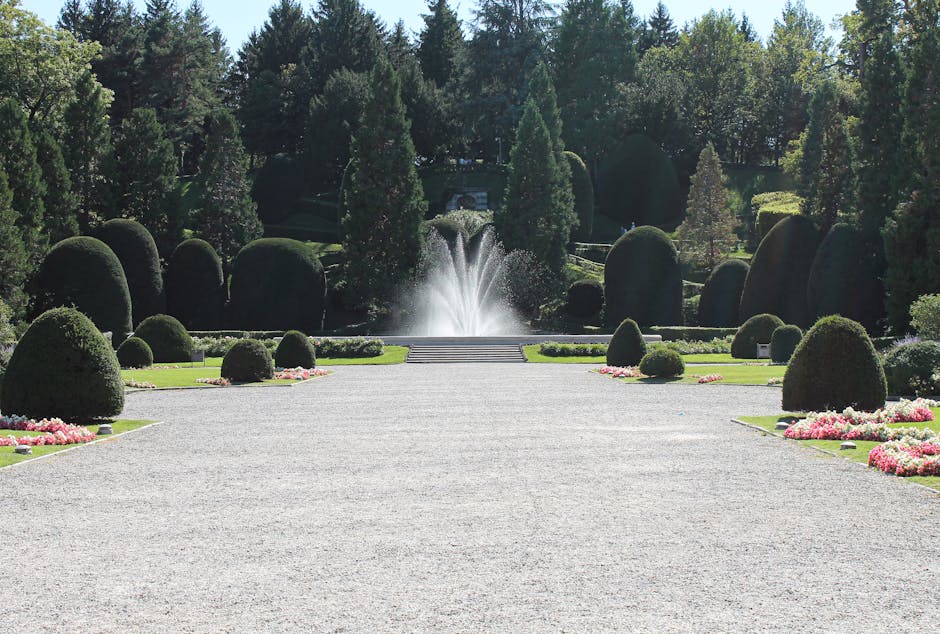
Giardino di Boboli is a classic Italian garden: terraces, ancient statues, grottoes and fountains. It’s an ideal spot to sit and let the images and feelings gathered in museums surface. The main paths offer multiple viewpoints over Florence and are great for a peaceful picnic (note: eating on some lawns may be restricted — please follow signage).
- Exact Boboli address: Piazza de’ Pitti, 1, 50125 Firenze FI.
- Garden hours: vary by season — in summer often open from 8:15 until 18:30/19:00; shorter hours in the low season.
- Local tip: head up to the terrace of the loggia del Cavaliere for a unique photo setting with fewer visitors.
If you’re into photography, the garden offers varied angles: city views, baroque sculpture details, and composed plantings. After your visit, wander the small shops and workshops around Oltrarno, Florence’s artisan quarter, to pick up handmade leather or ceramics.
Click here to book your ticket for Palazzo Pitti and the Boboli Gardens
Galleria dell’Accademia, Museo dell’Opera del Duomo and a Sculptural Route
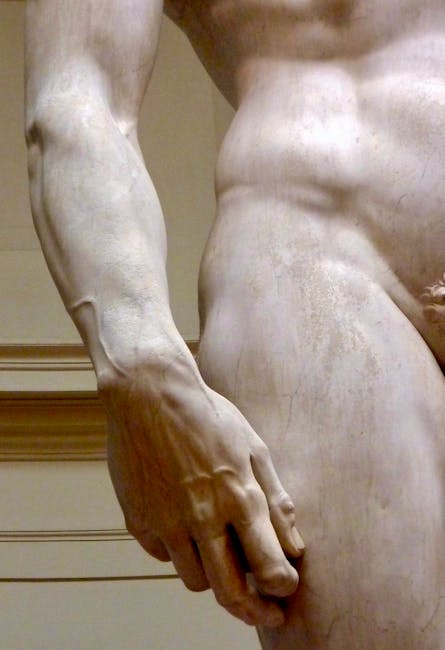
The Galleria dell’Accademia (Via Ricasoli, 58/60, 50122 Firenze FI) houses Michelangelo’s David, one of the most famous sculptures in the world. Opening hours: generally Tuesday to Sunday 8:15–18:50, closed on Monday. Price: standard ticket from €12 (plus possible booking fees). Arrive early to avoid the crowds at the David and to enjoy the morning light in the sculpture halls.
Click here to book your skip-the-line ticket for the Accademia Gallery
A short walk away is the Duomo complex and the Museo dell’Opera del Duomo (Piazza del Duomo, 9, 50122 Firenze FI). The museum preserves originals removed from the cathedral façade, reliefs from the Baptistery’s Porta del Paradiso, and medieval sculptures. Museo Opera del Duomo hours: often 8:15–19:30 (check the official calendar). Indicative price: the combined « Opera Pass » for the Duomo, Giotto’s Campanile, the Baptistery and the museum starts from €20 (price varies).
- Practical tip: the combined « Opera del Duomo » ticket is worth it if you plan to climb the Campanile or visit the Baptistery.
- Duomo address: Piazza del Duomo, 50122 Firenze FI — a central landmark, always busy during the day.
- Health & safety: the climb to the dome requires a good level of fitness and adherence to timed slots; bring water and wear a hat in summer.
Alternating the sculptural density of the Accademia and the Museo dell’Opera with a break in a nearby square (Piazza San Marco or the Biblioteca delle Oblate garden) helps digest impressions and prepares you for the next leg of your route.
Museo Nazionale del Bargello and Museo Galileo: Sculpture and Renaissance Science
The Museo Nazionale del Bargello (Via del Proconsolo, 4, 50122 Firenze FI) is housed in a medieval palace and presents an impressive collection of bronze and marble sculpture — Donatello, Michelangelo, Verrocchio. Opening hours: generally Wednesday to Monday 8:30–14:00/17:00 (varies by season; closed on Tuesday). Indicative price: standard ticket from €8–€10.
Not far away, the Museo Galileo (Piazza dei Giudici, 1, 50122 Firenze FI) traces the history of scientific instruments and Renaissance discoveries, with globes, astronomical telescopes and navigation tools. Hours: often Tuesday to Sunday 9:30–18:00, closed Monday; indicative price: around €10.
Click here to book your ticket for the Bargello museum
Click here to book your ticket for the Museo Galileo
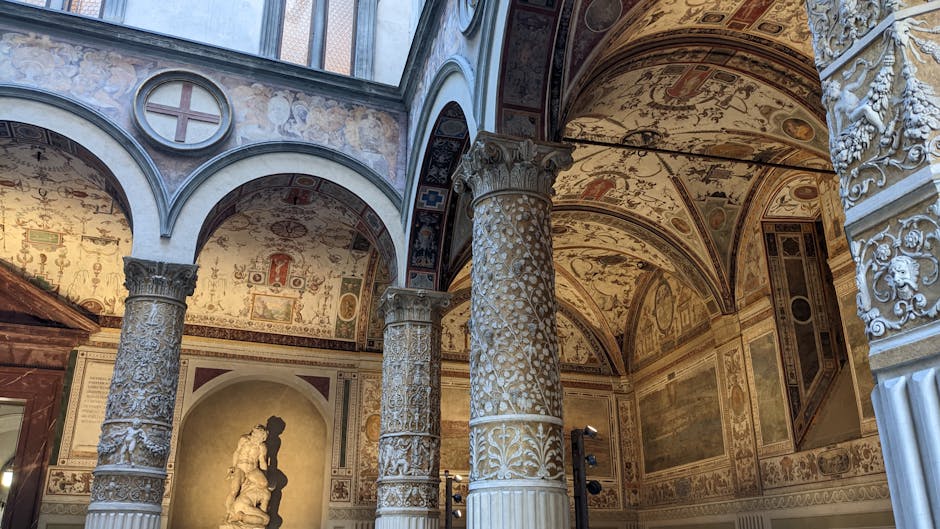
- Museology tip: combine Bargello and Museo Galileo in a half-day to mix sculpture and science.
- Access: historic centre, a few minutes’ walk from Piazza della Signoria.
- Good to know: Bargello is often less crowded than the Uffizi and the Accademia — ideal for sculpture lovers seeking quiet.
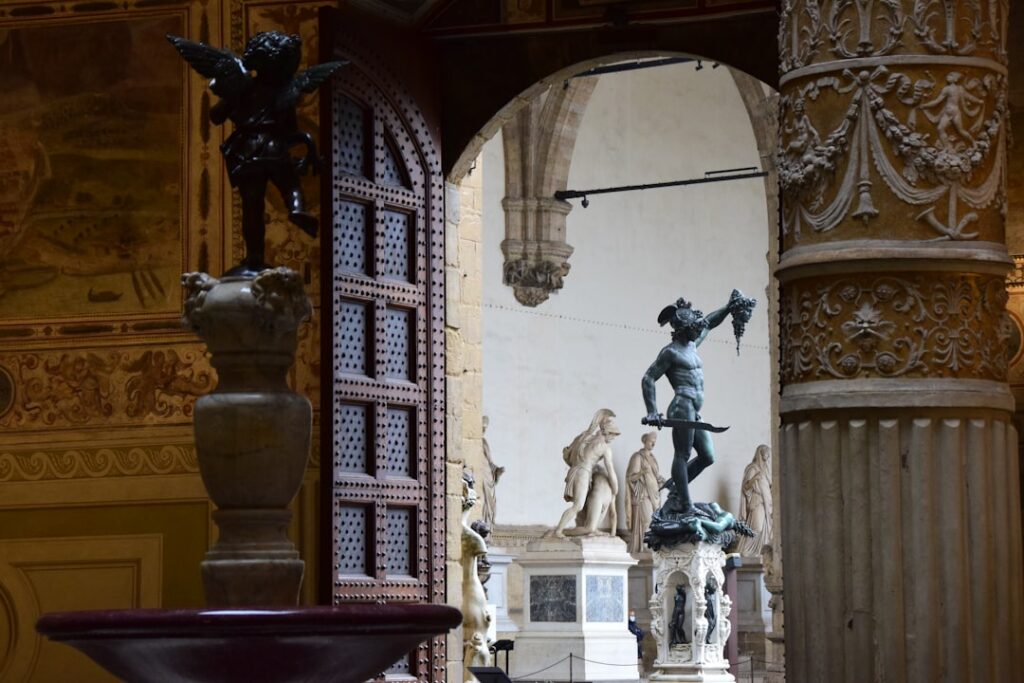
A day that pairs Museo Galileo with a park like the Giardino delle Rose (next to Piazzale Michelangelo) offers a perfect balance between intellectual curiosity and floral contemplation.
Practical Tips for Combining Parks and Museums in Florence
To get the most out of your stay in Florence, follow these on-the-ground recommendations:
- Book ahead: for the Uffizi and the Accademia, get online skip-the-line tickets (official sites) to avoid hours of queuing, especially in high season (April–October).
- Hours and closures: always check the museum’s official site the day before — hours can change and certain rooms may close temporarily for conservation or events.
- Transport: Florence is best explored on foot. Parks and museums are concentrated; use the ATAF network for longer trips or the tram T1/T2 services.
- Strategic breaks: plan a park visit after a major museum — the « aesthetic digestion » effect helps you better appreciate what comes next.
- Hydration and food: bring a water bottle — many public drinking fountains (nasoni) are available; for lunch, favor small trattorie in Oltrarno for a local experience.
- Photography: banned or partially restricted in some rooms (Uffizi, Accademia). Respect the signage.
- Safety: watch for pickpockets at tourist sites; avoid open backpacks.
Conclusion: Marrying Green and Art for a Rediscovered Florence
Combining parks and museums in Florence means respecting the city’s own rhythm: alternating silence and bustle, cool shade and gilded light. Museums pack centuries of craft and history into often small but intense rooms. Parks provide the breathing room that lets you assimilate these visual emotions without burning out. With a simple plan — pre-bought tickets, routes alternating major museums and green spaces, and food stops in Oltrarno — you can turn a string of visits into an organic, lasting experience.
Beyond logistics, don’t forget to listen to your own pace: let yourself be carried away by a croissant eaten on a bench, by a sunbeam cutting through a cypress alley, by the quiet of a room where a sculpture speaks to you. Florence fully reveals itself when you give it time to converse with you, when the eye rests and recomposes between a canvas and a panorama. Safe travels — may your stay in Florence be a kaleidoscope of discovery, rest and wonder.