


Introduction
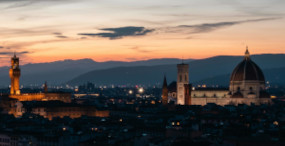
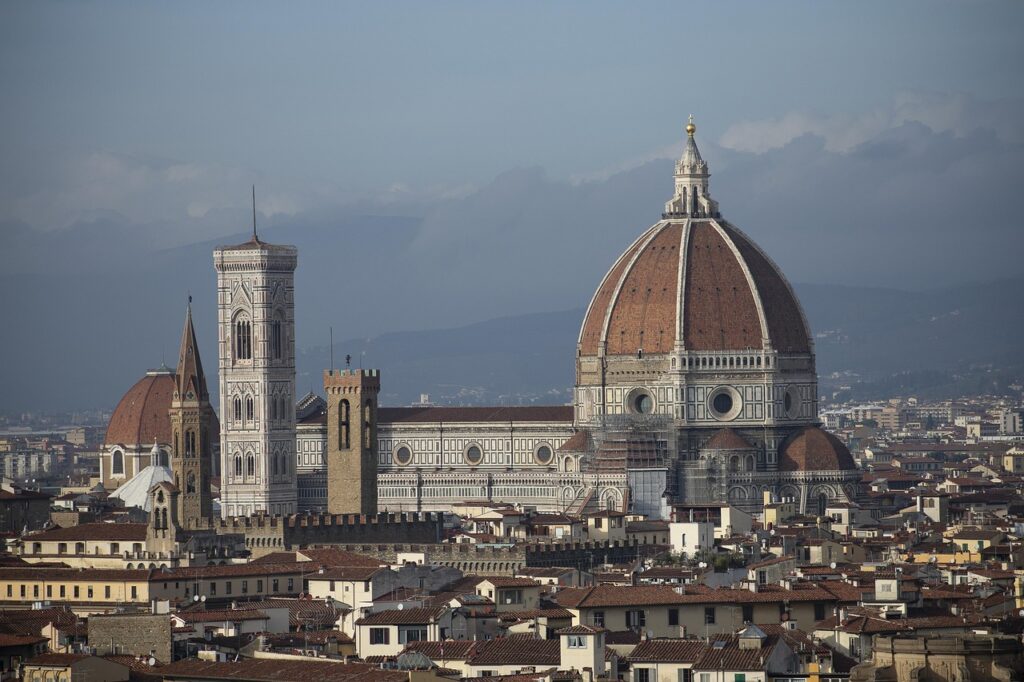
Florence is more than the capital of Tuscany: it’s the cradle of the Renaissance, an artistic laboratory where painters, sculptors and patrons reshaped modern Europe. For a Renaissance enthusiast, every street corner whispers stories — merchant palaces repurposed as workshops, cloisters that served as private galleries, and public collections that bring together masterpieces by Botticelli, Michelangelo, Leonardo da Vinci and many others. Understanding the Renaissance in Florence isn’t just about admiring paintings; it means diving into a web of relationships between art, power and religion, feeling the polished stone of sculptures and reading the pigments of paintings like pages from a vast history book.
Contenu de l'article
This article guides you through the must-see museums for anyone wanting to grasp the richness of Florentine Renaissance art. You’ll find iconic sites like the Galleria degli Uffizi and the Galleria dell’Accademia, more specialized museums such as the Museo Nazionale del Bargello and the Museo Galileo, and the grand museum complexes of the Palazzo Pitti and the Boboli Gardens. For each museum there’s the exact address, indicative ticket prices in euros, usual opening hours, immersive descriptions and practical tips — from the best time to visit to tricks for skipping the line and photographing without disturbing others.
Knowing what to look for in a room and why a sculpture played a particular social role will turn a visit into a sensory experience: the light filtering across a painted face, the trace of a chisel on marble, and the arrangement of a room speak as loudly as a label. This guide also suggests combined routes, skip-the-line ticket options, and nearby cafés and bookstores to linger in between visits. Whether it’s your first trip or a passionate return, these pages will help you plan full, relaxed days in Renaissance Florence.
Galleria degli Uffizi — The Big Pictorial Story of the Renaissance
Full name: Galleria degli Uffizi
Address: Piazzale degli Uffizi, 6, 50122 Firenze FI, Italy
Indicative price: full ticket usually around €20 (reduced rates and free admissions depending on age and residency; online booking fees may apply)
Opening hours: typically Tuesday to Sunday 08:15–18:30, closed on Monday (check holiday schedules); occasional evening openings in summer.
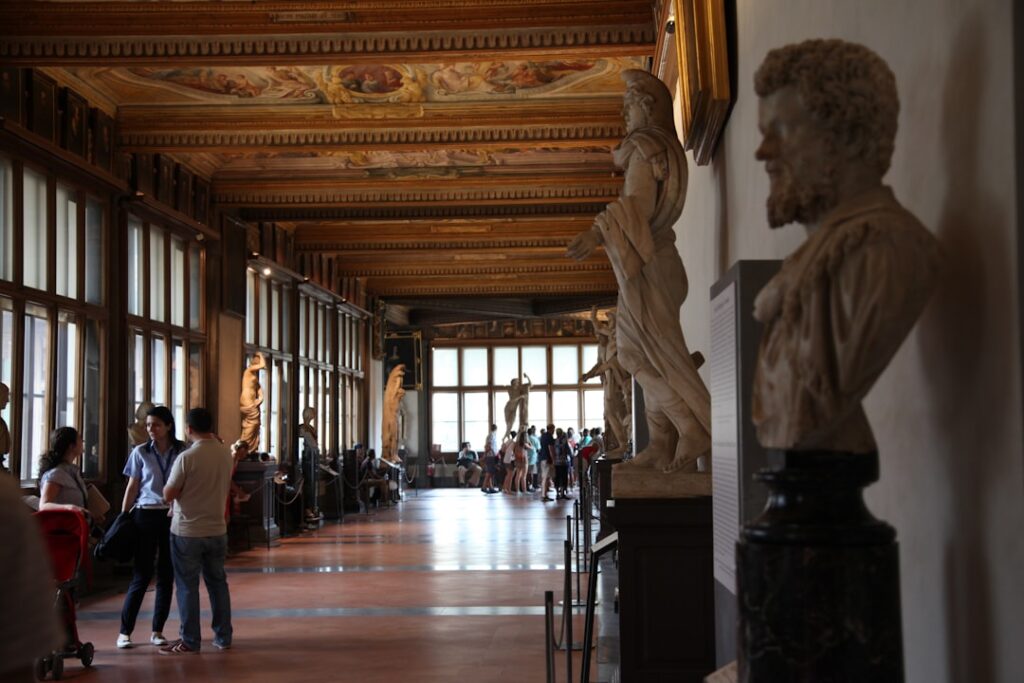
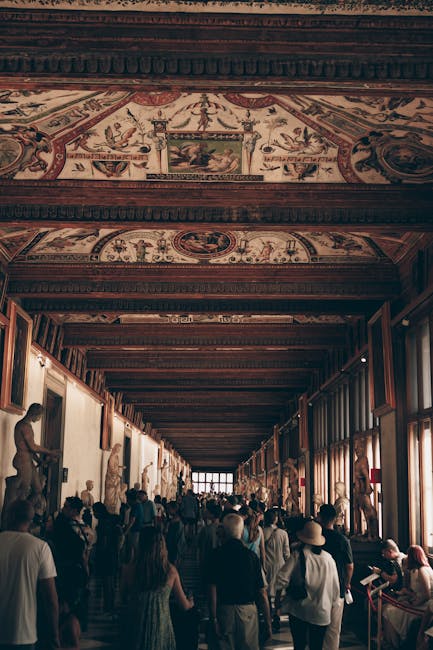
The Galleria degli Uffizi is a visual sequence: you move from one school to another, from medieval painting to early Renaissance innovations and on to the grand narrative compositions of the High Renaissance. Rooms are organized by theme and chronology, making it easy to observe the evolution of techniques, materials and subjects. People come to see Botticelli (La Primavera, The Birth of Venus), works by Leonardo and Raphael, and to understand how workshops responded to Medici commissions.
Practical tips: book online to avoid long queues at the entrance; aim for the morning right at opening for softer light in the rooms and fewer visitors. Audio guides and themed guided tours (religious painting, portraiture, techniques) deepen your understanding. Don’t miss the windows overlooking the Arno and the Ponte Vecchio — a great spot for a photo break. Large bags are subject to checks: opt for a light bag.
 Click here to Book timed entry to the Uffizi with audioguide
Galleria dell’Accademia — David and Renaissance Sculptural Art
Full name: Galleria dell’Accademia di Firenze
Address: Via Ricasoli, 58/60, 50122 Firenze FI, Italy
Indicative price: full ticket usually around €12 (reduced rates available; booking recommended)
Opening hours: typically Tuesday to Sunday 08:15–18:50, closed on Monday (hours subject to change).
The Galleria dell’Accademia is best known for Michelangelo’s David, but it’s also a place to understand the importance of the workshop and artistic training in Florence. The David, monumental and well preserved, can be studied from multiple angles thanks to the open space around it: you can study the muscular tension, the expression and the technical solutions used to balance the marble. Surrounding sketches, sculptures from the Florentine school and painted panels complete the story of Renaissance sculpture.
Practical tips: arrive at opening or late afternoon for a more intimate encounter with the David; the central hall can get very crowded. Guided tours focused on Michelangelo reveal anecdotes about the commission, the carving and later interventions. If you want photos of the David without the crowd, consider visiting off-season or booking a special early-access visit if available.
Click here to Reserve Accademia entry to see David with audio app
Museo Nazionale del Bargello — Sculpture, Bronze and Relief Portraiture
Full name: Museo Nazionale del Bargello
Address: Piazza del Duomo, 13, 50122 Firenze FI, Italy
Indicative price: full ticket usually around €8 (reductions possible)
Opening hours: often Wednesday to Monday 08:45–18:30, closed on Tuesday (confirm seasonally).
Housed in a medieval fortified palace, the Bargello makes for a striking contrast: the austere architecture provides a fitting setting for a collection of sculptures and bronzes of exceptional intensity. You’ll find works by Donatello, Verrocchio and other masters whose busts, reliefs and bronzes trace the development of human forms and modeling techniques. The setting enhances the experience — the cloister and low-vaulted rooms highlight the materiality of marble and metal.
Practical tips: the Bargello is often less crowded than the big galleries, making it ideal for studying technical details. Look for inscriptions and workshop marks on pieces: they reveal the practices of masters and apprentices. Pay close attention to sculptures in the round, where the reading of the silhouette shifts with your vantage point.
Click here to Reserve entry ticket for the Museo Bargello
Palazzo Pitti and Giardino di Boboli — Princely Collections and Sculptural Landscapes
Full name: Palazzo Pitti — Galleria Palatina
Address: Piazza de’ Pitti, 1, 50125 Firenze FI, Italy
Indicative price: ticket for the Galleria Palatina often around €16 (combined options with the Boboli Gardens available)
Opening hours: generally Tuesday to Sunday 08:15–18:50, closed on Monday; gardens open seasonally (longer hours in summer).
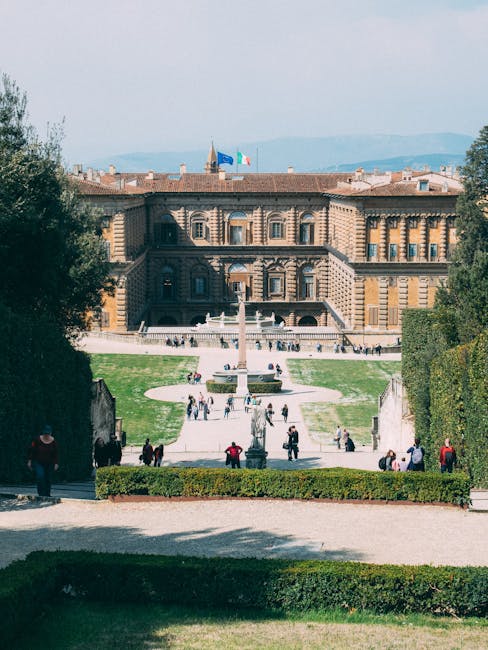
Palazzo Pitti, the former Medici residence, houses an extensive hoard of works commissioned by Florence’s princes. The Galleria Palatina displays sumptuous portraits, mythological scenes and ceremonial pieces that reveal princely taste and the political function of art. Outside, the Giardino di Boboli continues the experience in a sculptural landscape where statues, artificial grottos and perspective axes stage power and the garden as theater.
Practical tips: combine an indoor visit with a stroll through Boboli — allow at least a half-day. Wear comfortable shoes for the garden’s sometimes steep, gravel paths. Check access to grottos or the greenhouse, which are often closed for restoration. For photos in gentle light, favor late afternoon; sunset beautifully lights the palace façade and the garden’s statues.
Click here to Book ticket for Palazzo Pitti and Boboli Gardens
Museo Galileo and Museo dell’Opera del Duomo — Science and Sacred Forms
Full name: Museo Galileo — Istituto e Museo di Storia della Scienza
Address: Piazza dei Giudici, 1, 50122 Firenze FI, Italy
Indicative price: full ticket around €10 (student reductions available)
Opening hours: often Tuesday to Sunday 09:30–18:00, closed on Monday.
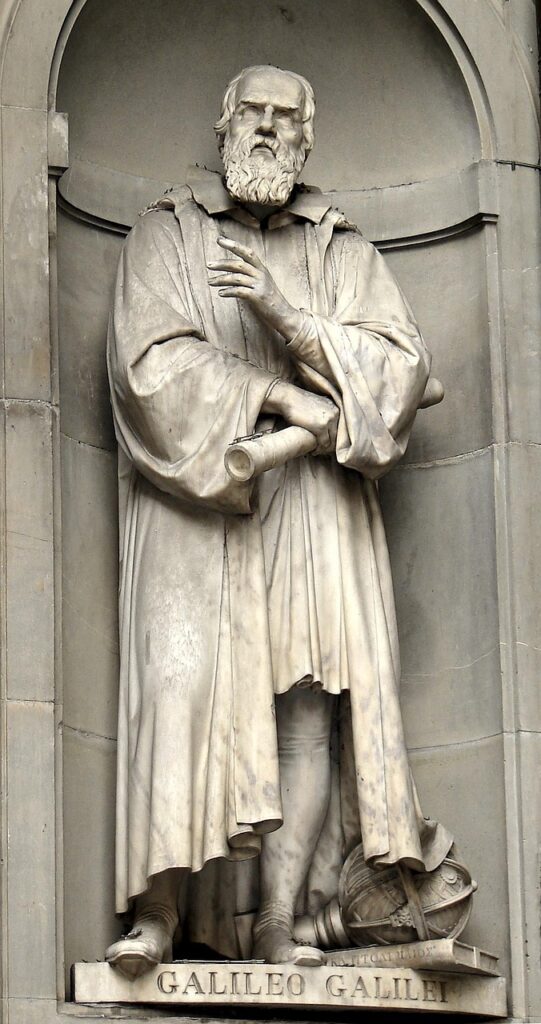
The Museo Galileo surprises with its angle: it shows how instruments, theories and mechanisms accompanied the Renaissance worldview. Telescopes, compasses, globes and manuscripts on display remind visitors that the period wasn’t limited to painting and sculpture. Understanding Renaissance science reveals how perspective, geometry and optics influenced painting — a fascinating bridge between reason and aesthetics.
Full name: Museo dell’Opera del Duomo
Address: Piazza del Duomo, 9, 50122 Firenze FI, Italy
Indicative price: full ticket around €18 (combinations possible with access to the Duomo climb and the Campanile)
Opening hours: generally Tuesday to Sunday 10:00–17:30, closed on Monday.
The Museo dell’Opera del Duomo preserves original sculptures removed from the Duomo’s façades and interior, offering a direct reading of the monumental works that once adorned the sacred setting. Seeing these pieces up close, often presented with documentary context, reveals the sculptural side of faith and public commission in the Renaissance.
Click here to Book entry ticket for the Museo Galileo exhibits
Click here to Reserve Duomo museum, baptistery and crypt combined ticket
Conclusion
For the Renaissance aficionado, Florence offers an unrivaled itinerary: each museum reveals a different facet of an era when art and power intertwined to rethink beauty, science and the representation of humanity. The Galleria degli Uffizi provides a chronological and thematic reading of painting; the Accademia concentrates the heart of sculpture with masterpieces like the David; the Bargello explains the technical vigor of the workshops; Palazzo Pitti and Boboli show art at the scale of palace and landscape; the Museo Galileo recalls the period’s scientific imprint. Finally, the Museo dell’Opera del Duomo highlights the interaction between faith, technique and monumentality.
Plan your days: a major museum in the morning, a walk or a more specialized visit in the afternoon. Book online where possible, bring a water bottle, wear comfortable shoes and respect rules about silence and photography. Consider combined passes if you plan to visit several sites: they often save money on cumulative tickets and make reservations easier. Above all, leave time to wander the streets between museums — the Renaissance is also written in façades, workshop doors, small churches and trattorie where conversations are shared.
Whether you’re an amateur historian, a passionate photographer or simply curious, these institutions will offer a sensory and intellectual immersion. Experience Florence in small bites: one room at a time, one sculpture at a time, one Arno view at dusk. Enjoy your journey through the Renaissance — and remember: every renewed look always reveals a new story.