


Introduction
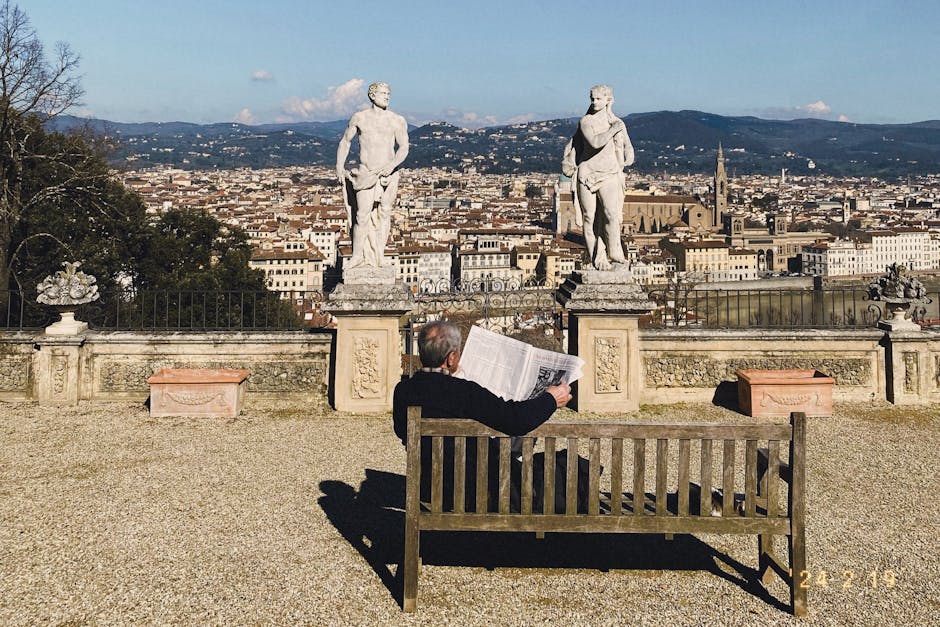
The Giardino Bardini (Bardini Gardens) is one of Florence’s lesser-crowded gems, offering a mix of landscaped beauty, history, and sweeping city views right in the heart of town. Perched on the south bank of the Arno, just a stone’s throw from the Palazzo Pitti and the Giardino di Boboli, these terraces retain the feel of a 19th-century Italian private garden, with floral terraces, cypress-lined paths and urns decorated with classical statues. In just two hours you can soak up a romantic Tuscan atmosphere, enjoy outstanding perspectives on Santa Maria del Fiore (the Duomo), the Ponte Vecchio and the surrounding hills, and explore quieter corners that many hurried visitors miss.
Contenu de l'article
For travelers with limited time — a layover at Santa Maria Novella station, an afternoon between museums, or a sunset you don’t want to miss — this guide lays out a two-hour route with practical details: exact addresses, prices in euros, approximate opening hours (confirm depending on season), and local tips to make the most of your visit. You’ll also find photography tips, the best viewpoints for cityscapes, and ideas for pairing the garden with nearby sights.
Bardini Gardens are more than just flowerbeds: they tell a story. The site takes its name from the dealer and antiques restorer Stefano Bardini, whose collection of objects and sculptures helped shape the character of the area (the Museo Stefano Bardini, now part of Florence’s museum circuit, is the heir to that legacy). The terraces’ careful maintenance and the restoration of many sculptures have restored the garden’s role as one of the city’s prime viewpoints. At a relaxed pace you can visit the main panoramic terrace, descend via the « scala dell’Arringo » or wander the tiered beds, noting the best photo spots as the light softens late in the afternoon.
 Click here to book your ticket for the Pitti Palace and Boboli Gardens

In the sections below I walk you step-by-step through a two-hour route, highlight what not to miss (terraces, sculptures, viewpoints), give practical hours and ticket info, and share logistical tips: how to walk there from the city center, where to buy tickets, what shoes to wear, and how to dodge the crowds. This guide is written for the time-pressed but curious visitor — it focuses on sensory immersion and visual discovery, backed up with concrete, checkable landmarks. Get your camera ready and wear comfortable shoes — follow this route and you can turn two hours into an unforgettable Florentine experience.
How to get there and practical info (address, hours, prices)
Exact address: Giardino Bardini, Costa San Giorgio, 2, 50125 Firenze FI, Italia. The garden has several entrances: the main one most visitors use is on Costa San Giorgio; a secondary entrance connects the garden with the Giardino di Boboli and Palazzo Pitti.

Opening hours (indicative — check before you go):
- High season (April to October): generally 9:00 to 19:00, sometimes 9:00 to 20:00 in the height of summer (longer daylight).
- Low season (November to March): often 9:00 to 16:30 or 10:00 to 17:00. Closed on some public holidays — check ahead.
Approximate prices (typical rates, for guidance only):
- Full price ticket: around €10.
- Reduced ticket (students, seniors, children): around €6.
- Combined Giardino Bardini + Giardino di Boboli ticket: roughly €12–€14 depending on season.
- Free entry on certain municipal days or special events: possible but rare — check Florence’s cultural calendar.
Buying tips: tickets are available at the ticket office on site, but in high season it’s recommended to book online (through the official museums site or authorized platforms) to avoid queues. If you have a Firenze Card, verify whether it includes access or discounts.
Suggested 2-hour route: stages and highlights
For a two-hour visit, follow this optimized route that covers the most striking and photogenic parts of the garden without rushing. The walk is planned at an easy pace (photo stops, short rests), starting from the main entrance on Costa San Giorgio.
- 00:00 – 00:15 — Entrance and climb to the upper terrace: from the gate, take the main staircase or the ramp up to the upper terrace. Take in the overall view and spot Florence’s skyline (Duomo, Campanile, Ponte Vecchio).
- 00:15 – 00:35 — Panoramic terrace and viewpoints: pause at the balustrades for sweeping vistas. This is the prime spot for sunset photos or simply to get a sense of Florence’s layout.
- 00:35 – 01:05 — Descend along the cypress-lined paths: follow the steps and avenues flanked by cypresses and formal beds. Look out for statues, small groves and ancient stone urns that punctuate the route.
- 01:05 – 01:30 — The « bosquet » and flowerbeds: depending on the season, the beds explode with color — irises in spring, roses in summer, golden foliage in autumn. Take a contemplative pause by a fountain or a restored statue.
- 01:30 – 02:00 — Descend toward the exit and link up with Palazzo Pitti / Boboli: finish your loop heading to the exit that leads to the Palazzo Pitti and the Giardino di Boboli if you want to continue. Otherwise, head back down toward the Arno to reach the Ponte Vecchio in 10–15 minutes on foot.
Timing tip: start mid-afternoon to enjoy softer light on the city façades; if you’re an early riser, morning light and dew on the cypresses can be equally lovely.
Architectural details, sculptures and botanical features not to miss
Bardini Gardens are a patchwork of architectural and botanical features. Highlights to look for include:
- The large panoramic terrace: a tiered structure that gives a frontal view over the city. Notice the old mouldings and stone vases along the edge.
- The statues and sculptures: several pieces come from Stefano Bardini’s collection and later additions. Seek out classical figures and putti tucked into the groves.
- Travertine staircases: typical Tuscan ornamentation, these steps connect the garden levels and create striking photographic compositions.
- Plant life: cypress-lined avenues, rose beds, iris beds (in spring), large oleanders and olive trees dot the landscape. Colors change dramatically with the seasons — vibrant spring displays, intense greens in summer, warm tones in autumn.

For plant enthusiasts, spot Mediterranean species (olives, bay laurels) and carefully trimmed topiaries. The geometric layouts of the beds show the influence of the Italian formal garden adapted to the site’s terraced shape.
Photo tips, safety and etiquette
Photography: Giardino Bardini is extremely photogenic. Here are tips to improve your shots:
- Best time: the golden hour (about an hour before sunset) for panoramas, or early morning for perspectives without the crowds.
- Shooting spots: the upper terrace for views of the Duomo and Ponte Vecchio; the main staircase for deep compositions; the flowerbeds for macro and detail shots.
- Gear: a wide-angle lens (24mm or wider) for panoramas; a 50–200mm zoom to compress the city from the terrace.

Safety and respect: the garden is a historic, delicate site. Please follow these rules:
- Do not pick flowers or climb on statues and balustrades.
- Take your rubbish with you or use the bins at the entrance and along the paths.
- Dogs: some gardens allow leashed dogs — check the signage at the entrance. In busy periods it’s often better to leave pets at your accommodation.
Accessibility: the site includes steps and slopes; full access can be difficult for visitors with reduced mobility. Ask at the ticket office about easier routes or ramps.
How to combine the visit with nearby attractions
A two-hour stop at Giardino Bardini pairs nicely with several nearby Florence highlights, depending on your interests:
- Palazzo Pitti (Piazza de’ Pitti, 1, 50125 Firenze): a 2-minute walk from the garden’s southeast exit. Address reference: Piazza de’ Pitti, 1, 50125 Firenze. Ticket prices vary by museum (Palatine Gallery, Royal Apartments).
- Giardino di Boboli (via dei Colli/Palazzo Pitti): combined entry is possible. A vast formal park where you can extend your stroll by another hour or two.
- Ponte Vecchio: a 10–15 minute walk to this famous medieval bridge and its traditional jewelry shops; landmark address: Ponte Vecchio, 50125 Firenze.
- Museo Stefano Bardini: to dive deeper into Bardini’s collections, visit the museum nearby (VIA DEI RENAI? Generally, Museo Stefano Bardini is located around Palazzo Mozzi or integrated into civic museums — check the exact address and opening times before you go).
Quick circuit idea: Giardino Bardini (2h) → Palazzo Pitti (quick look at the outer gardens or a coffee) → Ponte Vecchio (sunset). This route combines scenery, history and artisan shopping in half a day.
Click here to book the combined David, Pitti and gardens tour
Local tips and final recommendations
– Shoes: wear closed, comfortable shoes (cobblestones and steps can be slippery, especially after rain).
– Drink: bring a water bottle; there are few refreshment points inside the garden.
– Toilets: usually located near the entrance — note them as soon as you arrive.
– Weather: the garden is best enjoyed in clear weather; if it rains, a light raincoat is more practical than an umbrella on the stairs.
– Crowds: to avoid tourist buses, aim for early morning or late afternoon on weekdays.
– Food & shopping: for a typical Florentine snack after your visit, head to the Oltrarno neighborhood (craft workshops, small trattorias and cafés around Via Romana and Borgo San Frediano).
Finally, take a few minutes to simply sit on one of the terraces: looking out over the city from an elevated vantage point, hearing distant bells and smelling the blooms creates a lasting Florence memory that you don’t always get inside museums. Two well-spent hours at Giardino Bardini can turn a quick stop into a genuine cultural breather.
Conclusion
If you only have two hours to spend at Bardini Gardens, you can still leave with the feeling you’ve discovered a different side of Florence: less touristy, more intimate, and deeply connected to the urban landscape and local history. Giardino Bardini blends artistic heritage (sculptures and architectural elements), botany (terraced beds and Mediterranean plantings) and a superb panorama of the city’s main monuments, from the Duomo to the Ponte Vecchio. Following the suggested route — climb to the terrace, walk the cypress avenues, linger in the flowered bosquet, then descend toward Palazzo Pitti — will give you a complete sense of the garden’s aesthetic potential, without rushing, letting images and sensations sink in.
Practical details (address: Costa San Giorgio, 2, 50125 Firenze), hours and prices above will help you plan, but remember to check exact opening times and updated prices before you set out — museums and gardens may adjust schedules for the season or special events. If you have more time, combine Bardini with the Giardino di Boboli or a visit to the Palazzo Pitti to extend your immersion.
Ultimately, Giardino Bardini is an ideal stop for anyone wanting to escape the busiest streets of Florence without giving up beauty and history. With two well-used hours you’ll leave with memorable views, enduring images and the sense you’ve glimpsed a more secret, poetic side of Tuscany’s capital.
Click here to book your ticket for the Pitti Palace and its museums