





Introduction
Florence isn’t just a city of museums, piazzas and Renaissance domes — it’s also a fantastic base for a day of climbing that mixes rolling Tuscan scenery, sometimes-surprising rock, and hearty food to reward your efforts afterwards. Within a 45–90 minute drive you’ll find a surprising variety of crags — from sandstone and limestone slabs to jagged ridges overlooking valleys and medieval villages. With a well-planned day you can climb a sun‑warmed cliff in the morning, picnic with a valley view, then tick off a few pitches at a second crag before returning to Florence at sunset.
This article lays out a sample “climbing day” around Florence, highlighting three easily accessible sites, practical info (addresses, opening times, typical costs), gear and logistics tips, plus options to extend the experience with a local guide or a tasty stop. The goal isn’t just to list sectors but to convey the vibe, the approaches, rock type, average route difficulty and seasonal precautions. Whether you’re a self‑reliant trad or sport climber or a curious beginner wanting a guided introduction, you’ll find suitable options.
We’ll also cover useful city spots to prepare for the day: an indoor gym to warm up, a gear shop for last‑minute kit, and contact details for Florence‑based guides or schools offering full‑day outings. Each section includes practical tips — where to park, best time slots to avoid crowds or heat, local conservation rules and culinary tips to finish off on a Tuscan note.
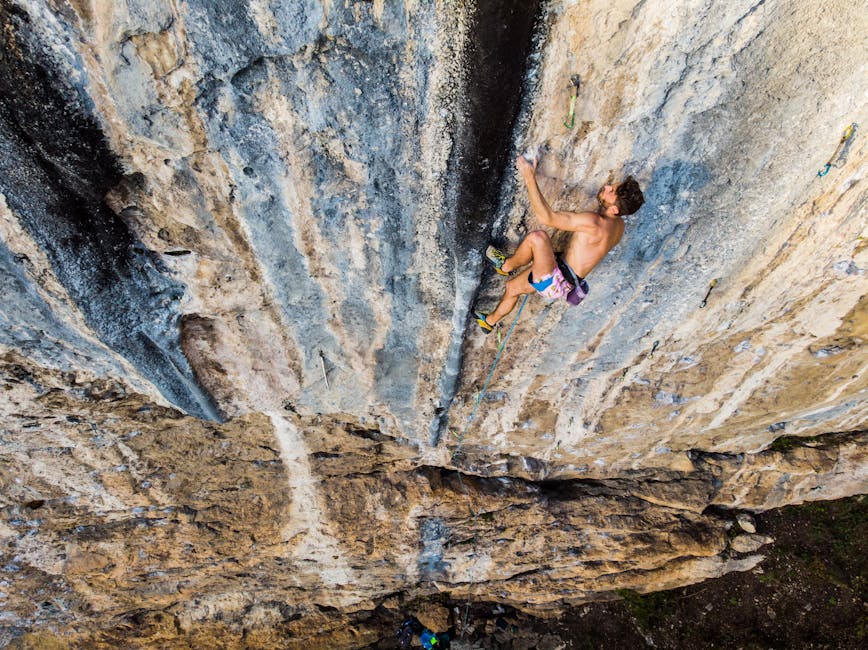
Whatever your level, this sample day focuses on the joy of climbing in beautiful natural settings around one of Italy’s most visited cities. Expect bolted sport routes, some short technical crags for those who love technical rock, and guided introduction options for beginners. Pack your shoes, check your quickdraws and rope, but most importantly bring a camera — the Tuscan views from belays are often as memorable as the climbs themselves.
 Click here to discover the Accademia Gallery and David
Click here to climb Brunelleschi’s Dome for panoramic views
Click here to book a skip-the-line visit to the Accademia

Morning route: Falesia di Monte Morello (« Pratolino » sector) — access and atmosphere
Monte Morello is the large, wooded hill that looms northwest of Florence. Its slopes host several half‑day climbing areas, and one of the most accessible from the city is commonly called the « Falesia di Pratolino » (named after the nearby estate and park). This sector offers short but sustained routes, often on compact limestone with slabs and small pockets for your fingers.
Meeting point / access address: Villa Demidoff – Parco di Pratolino, Via Pietrapiana 40, 50013 Pratolino (Bagno a Ripoli), FI, Italy. The main park car park is off the SP64; follow signs for « Villa Demidoff ».
Opening times and access: the Villa Demidoff park is usually open every day; times vary with the season — typically 08:00–19:00 in spring/summer. Access to the crag itself is free with no paid facilities. Still, check for temporary closures with the Comune di Bagno a Ripoli if you’re planning in winter or after heavy rain.
Climbing style: one‑ to two‑pitch routes, mostly sport climbing, ranging roughly from 4b to 7b depending on the wall. Rock type: compact limestone, sections of slab and vertical faces. Aspect: south‑east on some sectors — great for cool mornings; avoid peak midday sun if temperatures exceed about 28–30 °C.
Practical tips: park at the Villa Demidoff car park (approx GPS: 43.8050 N, 11.3500 E), bring a small groundsheet to sit on — the soil gets dusty — and a lightweight windbreaker for exposed belays. Anchors are often in place; always check bolts before committing. Beginners should consider calling a local guide the day before to confirm the exact approach and which routes are in good condition.

Services and kit: there’s no shop at the crag; in Florence the store Vertical Gear Firenze (example) at Via de’ Benci 12, 50122 Firenze typically opens 09:30–19:30 (closed Sunday morning). You can rent shoes and harnesses if you’re traveling light: expect about €8–12 for shoes, €15–20 for a harness; ropes are usually not included.
Pricing note: outdoor climbing at these sites is free; extra costs come from transport, paid parking in regulated areas, or gear rental/guide fees. If you hire an instructor, half‑day rates generally range from €70 to €120 depending on group size.
Lunch break: panoramic picnic or a stop in Borgo San Lorenzo
After your morning session, take a proper lunch break to recharge. You’ve got two main options depending on your mood: a picnic with a view or a sit‑down meal in a traditional village.
Picnic option: up top or on the natural terraces around Monte Morello you’ll find spots with views over the Florentine plain and the Arno River. Pack simple, energy‑dense food: prosciutto sandwiches, pecorino cheese, tomatoes, dried fruit, and plenty of water. A cold pasta salad (insalata di pasta) made the day before is also a great choice. Bring a trash bag so you leave no trace.
Restaurant option: if you’d rather sit down, head to Borgo San Lorenzo (toward the Mugello, about 25–35 minutes drive depending on traffic). A local climbers’ favorite is Trattoria da Piero (approx address: Via Roma 5, 50032 Borgo San Lorenzo FI) — typical hours 12:00–14:30 and 19:00–22:30. Expect €12–20 for a main course, €4–8 for an antipasto. Try local specialties like pappardelle al cinghiale (pasta with wild boar) or bistecca alla fiorentina if you’re hungry after climbing.
Logistical tips: allow at least 60–90 minutes to rest properly. Hydration: sip fluids regularly, especially in summer — electrolyte drinks help replace salts lost through sweat. If you plan to climb again in the afternoon, avoid overly heavy meals and aim for complex carbs with moderate protein.
Afternoon route: Valdarno limestones — San Giovanni Valdarno and nearby gorges
In the afternoon head to the Valdarno, southeast of Florence, to explore limestone cliffs that contrast nicely with the Morello crags. The gorges and promontories near San Giovanni Valdarno and Cavriglia offer longer routes, sometimes multi‑pitch, with ridges and vertical slabs.
Recommended arrival point: Parcheggio Valle dell’Inferno, SP04, 52027 San Giovanni Valdarno AR, Italy (parking that gives access to trails leading to the climbing sectors). Drive time from Florence is about 45–60 minutes depending on traffic.
Opening times and access: these cliffs sit in the countryside and are usually accessible year‑round, except for temporary bans due to bird nesting or municipal restrictions. Check with the Comune di San Giovanni Valdarno or the Provincia di Arezzo if in doubt. Access is typically free; some private car parks may ask a small contribution (€2–5).
Climbing style: limestone with tufas, long walls and ridges; routes from 20 to 120 meters. Difficulty ranges from about 5a to 8a depending on the sector; you’ll find beautiful long bolted routes alongside technical single‑pitch crags. Aspect: often west / northwest — ideal for afternoon climbing when the sun still heats the eastern hills.
Safety tips: for long routes take a 70–80 m rope to allow for full rappels without tying down the rope. Inspect bolts and anchors before committing; summer storms or recent rain can make slabs slippery and wash away loose rock. If you’re not used to multi‑pitch climbing, hire a local guide — indicative rates: half‑day €80–120, full day €150–220 (prices vary with group size).
Additional services: near San Giovanni Valdarno you’ll find small food shops to top up water and snacks. For specific equipment, Mountain Shop Arezzo (approx: Via Roma 22, 52100 Arezzo AR) stocks ropes, quickdraws and occasional rentals — hours roughly 09:00–19:00.
Adventure option: via ferrata or big walls to the north — Vallombrosa and the Arezzo cliffs
If you want more adrenaline, the region also offers via ferrata routes and big walls that require greater technical commitment. Vallombrosa, famous for its forest and monastery, is also a gateway to nearby rocky sectors with ridges and short via ferrata, perfect for families or climbers who want a mix of hiking and vertical exposure.
Starting point: Abbazia di Vallombrosa, Località Vallombrosa, 50062 Reggello FI, Italy. The monastery provides a historic backdrop and marked trails leading toward the crags.
Times and fees: the Abbazia di Vallombrosa is generally open to the public from 09:00 to 18:00 depending on season; some guided visits may have small fees (€3–8). Access to trails and the via ferrata lines themselves is usually unrestricted. Organized via ferrata outings with a guide are charged (see guide rates above).
Route types: short to medium difficulty via ferrata, big limestone and gneiss walls, and mixed sections. Specific via ferrata gear (certified lanyards, helmet, gloves) is strongly recommended. For big walls you’ll need rope management skills and knowledge of anchor systems.
Local tips: Vallombrosa is busy on weekends — go early or late afternoon to avoid crowds. The forest keeps things cool in summer while autumn brings spectacular colors — watch for slippery patches after autumn rains. If it’s your first via ferrata, contact a local school like Guide Alpine Firenze (office example: Via dei Cerchi 4R, 50122 Firenze; office hours 09:00–17:00) for organisation and kit loan.

Preparing the day: gear, safety and local practical tips
Good preparation turns a great day into a stress‑free and enjoyable outing. Here’s a checklist and practical tips for climbing around Florence:
- Essential gear: climbing shoes, harness, rope (60–80 m depending on routes), 8–12 quickdraws, belay device (ATC or Reverso), helmet. For long routes bring a set of cams and slings if you plan on adventure terrain.
- Clothing: layer up (breathable t‑shirt, light fleece, windbreaker), hiking shoes for approaches. In summer bring a hat and sunglasses; in winter pack a lightweight down jacket for belays.
- Weather: conditions can change quickly in the Tuscan hills. Check forecasts (Meteo.it or ARPA Toscana) the day before. Avoid climbing on wet rock — rain can corrode bolts and make holds dangerously slippery.
- Health: bring a basic first aid kit, sunscreen, and enough water (minimum 1.5–2 L per person in summer). In an emergency call 112 (European emergency number).
- Ethics: respect local rules (protected zones, nesting seasons), take all your rubbish with you and stick to marked paths to protect vegetation.
- Guides and schools: for a first time in the area, a half‑day with a local guide usually costs €70–120; a full day €150–220. Guides provide local knowledge, safety and route selection tailored to your level.
Useful spots in Florence: to warm up indoors before heading out, Palestra Rock Spot Firenze (approx: Via del Carota 13, 50122 Firenze) is typically open 10:00–22:00 on weekdays and 10:00–19:00 at weekends. Day pass: about €10–15; shoe rental €6–10.
Transport and parking: renting a car gives you the most flexibility. Tuscan secondary roads can be narrow — choose a compact car to slip through villages. Approach car parks are often unsupervised but free; in some tourist areas you’ll need to pay (€2–5).

Conclusion
A climbing day from Florence is a complete experience combining physical activity, Tuscan scenery, local cuisine and cultural discoveries. Start early and choose a route that fits your level (for example Monte Morello to warm up, Valdarno for long afternoon routes, and Vallombrosa for a splash of via ferrata adventure), and you can link several varied sectors without rushing. Direct costs stay modest if you climb independently — mainly transport, parking and occasional gear rental — while hiring a guide, though pricier, often pays off in safety and local beta, especially for long routes or if you lack topo information.
Always respect the environment and local regulations: Tuscany places high value on preserving its landscapes and wildlife. Check for seasonal closures, take all your rubbish home, and stick to official parking and trails to protect vegetation. Finish the day properly — a shower, a plate of fresh pasta, a glass of Chianti and a sunset stroll on the Piazza del Duomo to watch the silhouette of the Cattedrale di Santa Maria del Fiore turn a warm orange.
Click here to climb Brunelleschi’s Dome for panoramic views
Happy vertical travels: whether you come for technique, panoramic enjoyment, or big‑wall adrenaline, the cliffs around Florence offer a wide range for a memorable climbing day. With good planning and attention to safety and local rules, this outing will likely become one of your favorite Tuscan stories.
Happy vertical travels: whether you come for technique, panoramic enjoyment, or big‑wall adrenaline, the cliffs around Florence offer a wide range for a memorable climbing day. With good planning and attention to safety and local rules, this outing will likely become one of your favorite Tuscan stories.